
How to Create a Safe and Comfortable Environment for Your Pet at Home
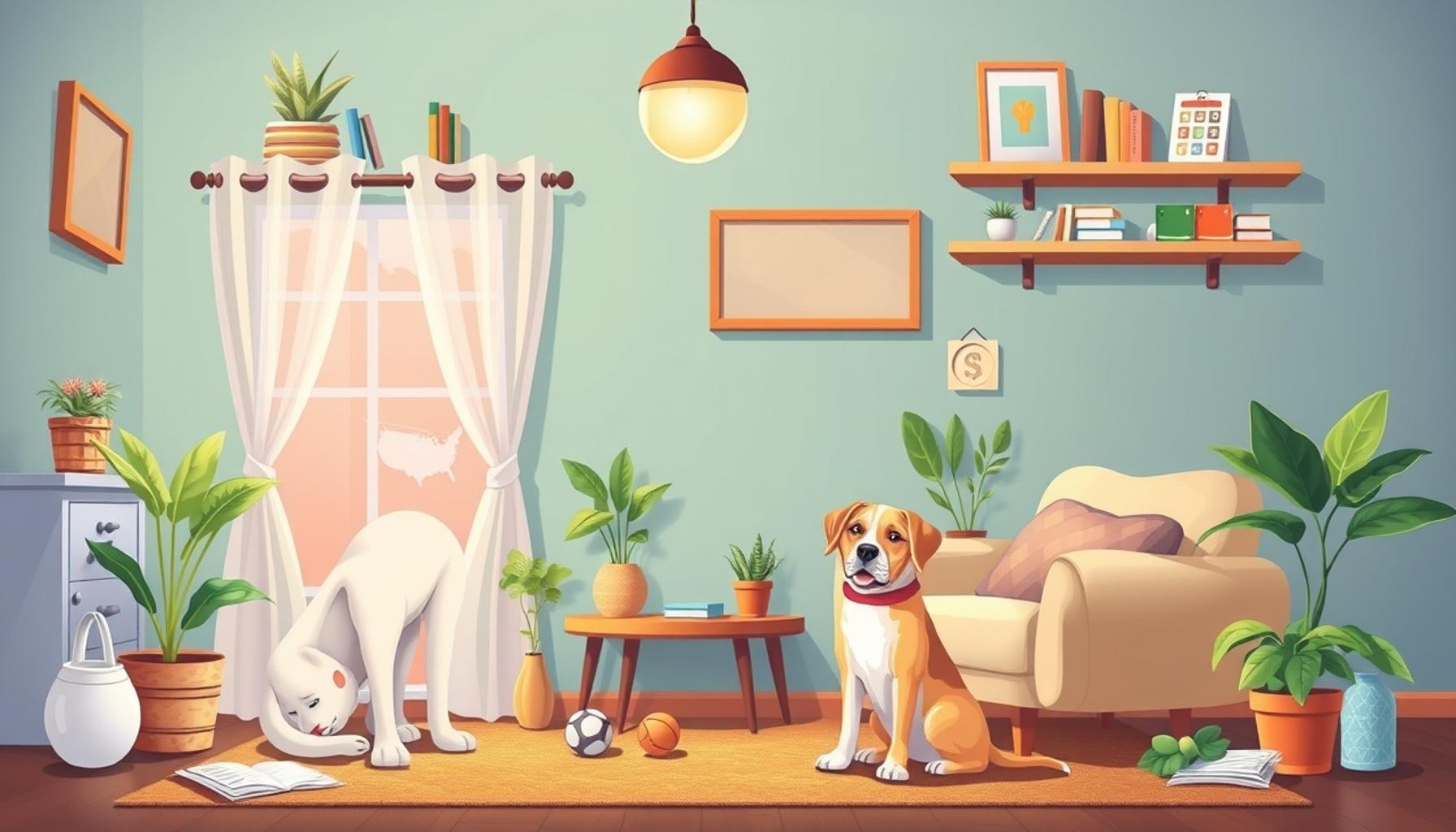
Creating a Cozy Haven for Your Furry Friends
Welcoming a pet into your home invites joy and companionship, yet it brings the responsibility of ensuring their safety and comfort. A thoughtfully designed environment can greatly enhance your pet’s health and happiness, fostering a fulfilling relationship between you and your furry companion. Here are essential aspects to consider for a pet-friendly space:
- Safety: One of the foremost considerations is ensuring that hazardous materials, toxic plants, and choking hazards are out of reach. Common household items such as cleaning agents, human foods, and certain indoor plants like lilies or philodendrons can pose serious risks. Familiarize yourself with the ASPCA’s list of toxic plants and create a checklist of items to secure. For instance, keep electrical cords covered or tucked away to prevent chewing, and store medications in locked cabinets to deter curious paws.
- Comfort: Providing cozy resting areas is vital. Consider investing in pet beds or blankets that suit your pet’s sleeping habits. A high-quality, orthopedic pet bed can provide much-needed support, particularly for aging pets. Ensure these resting spots are located in quiet, low-traffic areas of your home, making them feel secure. Using familiar scents, like a piece of your clothing or their favorite blanket, can also help create a sense of belonging.
- Enrichment: Mental stimulation is essential for pets. Offer a variety of toys that challenge their minds; for dogs, durable chew toys and intricate puzzle feeders can stave off boredom and prevent destructive behaviors. For cats, interactive toys that mimic prey can ignite their natural hunting instincts. Engaging in regular play sessions not only strengthens your bond but also contributes to their physical health.
It’s also important to pay attention to temperature control. Pets are sensitive to extreme temperatures; during hot weather, ensure they have shaded areas and plenty of fresh water, while in the winter, consider heated beds or blankets to keep them warm. Adequate ventilation is equally essential for maintaining comfort levels, especially in small spaces, to avoid overheating or excessive humidity.
Furthermore, don’t overlook the significance of designated eating and drinking areas that are easily accessible. A simple change, such as elevating food bowls for larger breeds or utilizing spill-proof containers, can transform mealtime into a delightful ritual rather than a messy chore.
As you delve deeper into creating a suitable haven, innovative ideas will naturally arise. Some pet owners creatively repurpose old furniture into play structures, while others designate a special corner for training sessions, reinforcing positive behavior. Ultimately, fostering a safe and comfortable environment not only safeguards your pet but also nurtures the profound connection you share, making your house a true home for both two-legged and four-legged inhabitants alike.
LEARN MORE: Click here for expert tips on reading pet food labels
Essential Elements for a Pet-Friendly Space
Creating a safe and comfortable environment for your pet at home requires more than just some toys and treats; it involves a thorough understanding of their needs and behavior. An informed approach can make your living space a real haven for your four-legged friends. Here are critical elements to incorporate as you design a pet-friendly environment:
- Secure Zones: Enable your pets to enjoy safe spaces where they can retreat and relax. Creating specific areas with pet gates or playpens not only protects them from potential dangers, such as busy traffic or household hazards, but also gives them a sense of security. These safe zones allow pets to establish their own territory, promoting calmness and less anxiety during stressful situations, such as thunderstorms or visits from unfamiliar people.
- Accessible Resources: When considering a pet-friendly layout, ensure essential resources like food, water, and litter boxes are easily accessible. Keep their feeding station clean and organized. For multi-pet households, separate feeding areas can minimize skirmishes over food, providing each pet with a stress-free eating experience. In addition, some pets might need special feeding arrangements, such as raised bowls for larger breeds or specific diets for sensitive stomachs.
- Pet-Friendly Furnishings: Furniture plays a significant role in your pet’s comfort and safety. Opt for materials that are sturdy and easy to clean, such as leather or synthetic fabrics, which can withstand scratches and spills. Avoid delicate items that could easily become damaged or pose hazards. Additionally, consider incorporating designated pet furniture, such as climbing shelves for cats or dog ramps for older dogs, to make their environment more enjoyable.
- Non-toxic Decor: When decorating, be mindful of every item that enters your home. Many popular household items like candles, air fresheners, and certain types of fabric can be harmful to pets. Always choose pet-safe alternatives, opting for fragrance-free options and natural decor materials. Research the safety of plants before introducing them to your living space, as some common indoor plants can be toxic to pets. Instead, look into alternatives, such as pet-friendly herbs like basil or non-toxic plants like spider plants.
As you formulate a nurturing environment, it’s vital to establish a fluid relationship between your pet’s space and your lifestyle. Monitor their behavior and adapt your living space as necessary. For example, their chosen nap spots or play areas may change, requiring some adjustments to keep their environment consistent with their preferences. Keeping an eye on these shifts not only enhances your pet’s comfort but also strengthens the bond you share.
Furthermore, integrating safety measures, such as securing heavy furniture to walls and implementing non-slip mats, will mitigate the risk of injuries. A few thoughtful alterations can lead to a safely secured space that promotes exploration and activity while still being comfortable.
Creating a safe and comfortable environment for your pet at home involves several key considerations that will significantly enhance their well-being. Below are some important factors to keep in mind when designing your pet-friendly space:
Designate a Safe Zone
One of the first steps in creating a comfortable environment for your pet is to establish a dedicated safe zone. This area should be quiet, cozy, and free from disturbances. Furnish it with a soft bed, familiar toys, and a water bowl. Dogs, for instance, often thrive in a space where they feel secure. Similarly, cats appreciate vertical spaces where they can perch and observe their surroundings.
Pet-proof Your Home
Safety is paramount when it comes to your pet’s environment. Ensure your home is pet-proofed by removing hazardous items such as toxic plants, small objects they could swallow, and cleaning supplies. Electrical cords should be tucked away, and gates can be used to restrict access to dangerous areas. It’s wise to closely monitor where small pets, like rabbits or hamsters, roam to prevent any accidents.
Moreover, installing window screens will not only keep your pet safe but also allow fresh air into their safe zone without risks. Consider using baby gates to limit access to certain rooms where potential hazards may exist.
Comforting Touches
Making your home inviting isn’t just about safety; it’s also about comfort. Add elements that provide emotional support to your pets, such as familiar scents and textures. You can incorporate a blanket or piece of clothing into their bedding. Providing different types of bedding materials can cater to their preferences—some pets prefer softer surfaces, while others enjoy a firmer base.
Temperature Control
Pets can be sensitive to temperature changes. Ensure that the space where your pet spends the most time is kept at a comfortable temperature. This may involve using fans, heaters, or even providing shady spots outside if your pet enjoys being outdoors. When the weather changes, be vigilant about indoor temperatures to ensure your pet remains comfortable year-round.
Creating a safe and comfortable environment involves careful planning and consideration for your pet’s specific needs. With the right adjustments, you can offer your furry friends a sanctuary that supports their health and happiness.
| Category | Advantages |
|---|---|
| Safe Zones | Provides security and comfort, reducing stress and anxiety in pets. |
| Pet-proofing | Minimizes risks of accidents, keeping pets safe from potential hazards. |
| Temperature Control | Ensures pets are comfortable throughout the year, promoting overall wellness. |
| Personalized Comforts | Enhances the bond between pets and owners, making pets feel loved and secure. |
DISCOVER MORE: Click here to learn about training techniques for senior pets
Creating a Balanced and Stimulating Environment
Beyond physical safety and comfort, it’s essential to foster a balanced and stimulating environment that promotes your pet’s mental and emotional well-being. Pets, whether they’re dogs, cats, or other furry companions, thrive on interaction, challenges, and sensory engagement. Here are several strategies to enhance their living space further:
- Interactive Play Areas: Designate specific areas within your home for interactive play. This could include a soft play mat for puppies or a cat tree for your feline friends. These areas should not only be safe but also filled with activities to stimulate their natural instincts. Investing in toys that encourage behavioral enrichment, such as treat-dispensing puzzles or scratching posts, can help mentally engage your pets, reducing boredom and associated behaviors like chewing or inappropriate marking.
- Proper Temperature Control: Pets are sensitive to temperature changes. Ensure your home maintains a comfortable atmosphere year-round, balancing warmth in winter and coolness in summer. Use ceiling fans, air conditioning units, and heaters wisely to regulate their environment. Always provide pet-friendly bedding in shaded areas during hot months, and cozy blankets during colder days to create a warm, inviting space for relaxation.
- Safe Outdoor Access: If you have a yard, create a secure outdoor environment where your pet can explore. Fencing should be tall enough to prevent escapes, and gates should close securely. It is also wise to regularly check for toxic plants or harmful chemicals that may be present in garden soil or nearby plants. Consider installing a pet door, allowing them to roam freely under your supervision while also providing them the enjoyment of fresh air and natural light.
- Routine and Stability: Pets thrive on routine, helping to establish a sense of safety and predictability in their lives. Feeding, playtime, and bathroom breaks should ideally occur at the same time each day. This structure allows them to feel secure and confident in their environment, minimizing anxiety or behavioral issues. Keeping a calendar or setting reminders can help you stay consistent, ensuring your pets’ needs are met regularly.
Incorporating essential comfort items, such as a cozy bed in a quiet corner or a favorite blanket, significantly contributes to making your pet feel at home. Moreover, integrating elements that provide mental stimulation, like rotating toys regularly or teaching new commands, can combat boredom and keep their minds sharp. Such activities foster a more profound bond with your pet while enhancing their skills and emotional health.
Furthermore, regular veterinary check-ups play a crucial role in maintaining your pet’s overall well-being. Keeping vaccinations up-to-date, monitoring weight, and discussing behavioral changes with a vet can help prevent health issues that may arise from living conditions and lifestyle. Creating an environment conducive to their health and happiness adds to a fulfilling relationship and ensures you and your pet can enjoy each other’s company for years to come.
All these factors combined contribute to a holistic approach to creating a safe and comfortable environment for your pet at home. By being attentive to their needs, you’ll not only enhance their quality of life but also deepen the special bond you share.
LEARN MORE: Click here for essential pet care tips
Conclusion
Creating a safe and comfortable environment for your pet at home is a multifaceted endeavor that involves more than just physical safety. It’s about establishing a sanctuary where your pet can thrive, feel secure, and enjoy their life to the fullest. By implementing a range of strategies—from designing interactive play areas and ensuring proper temperature control to maintaining a consistent routine—you directly impact their emotional and mental well-being.
Remember, the simplest changes in your home can dramatically enhance your pet’s quality of life. Incorporating elements like cozy bedding and enriching toys nurtures a cozy atmosphere that encourages relaxation, exploration, and engagement. Moreover, by prioritizing regular veterinary care, you safeguard against health issues that can stem from environmental factors, ensuring that your furry friend remains vibrant and active.
As you build a harmonious living space for your pet, consider their unique personality and needs. Each animal is an individual, and what works for one may not suit another. Stay attuned to their behaviors and preferences, as this observant approach will only strengthen the bond between you and your companion.
Ultimately, a well-rounded environment that balances safety, comfort, and stimulation not only benefits your pet but also enriches your shared experiences. Thus, invest the time and care to transform your home into a place where your pet will always feel loved, cherished, and at home.

Linda Carter
Linda Carter is a writer and pet care expert specializing in pet health, grooming, and wellness. With extensive experience helping pet owners create safe, loving, and enriching environments for their animals, Linda shares her knowledge on our platform. Her goal is to empower readers with practical advice and strategies to ensure their pets thrive and lead joyful, healthy lives.