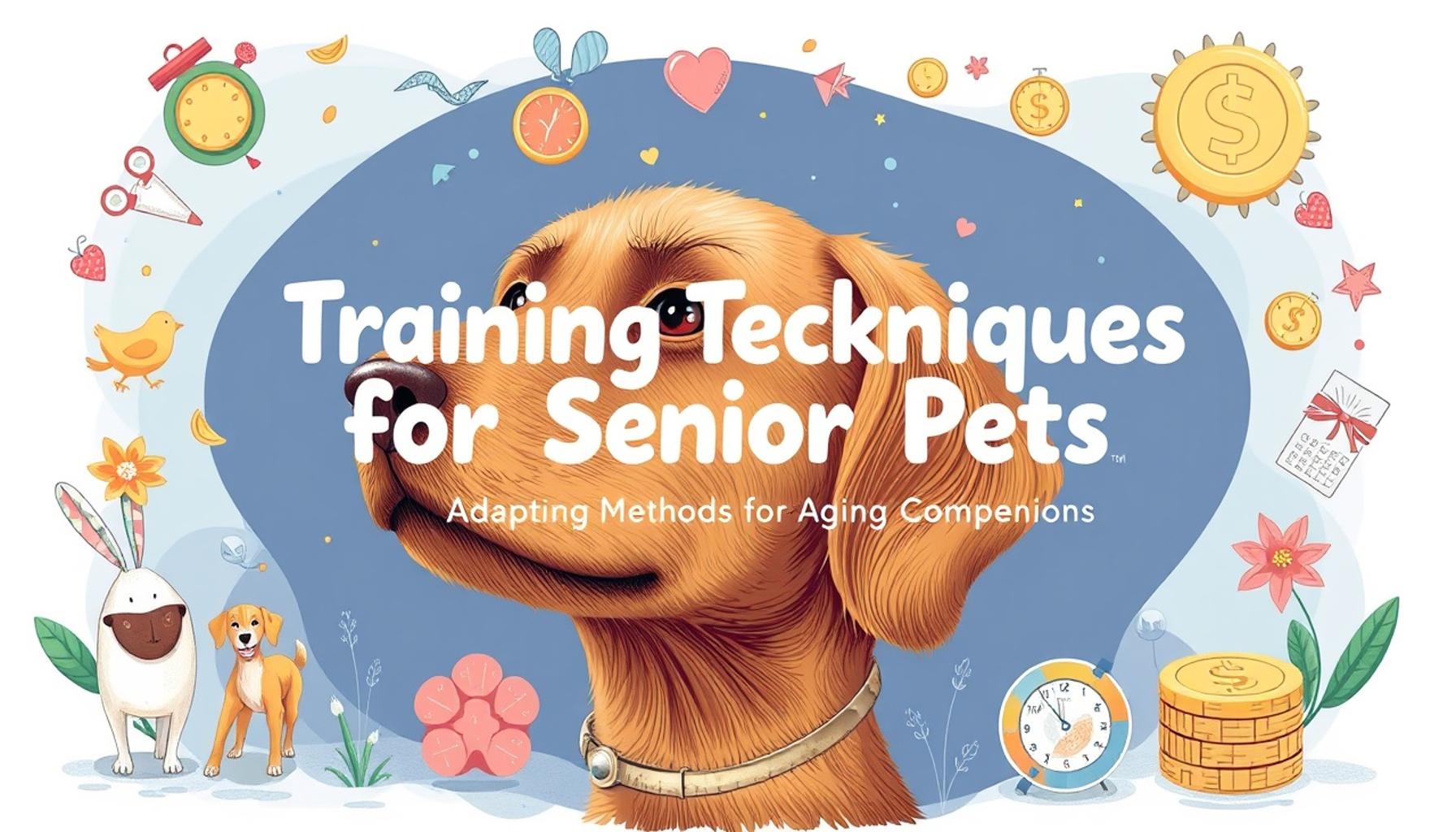
Training Techniques for Senior Pets: Adapting Methods for Aging Companions
Understanding the Needs of Senior Pets
As pets transition into their golden years, their unique needs and abilities become increasingly evident. Senior pets often require tailored training techniques that align with their specific challenges. By adapting training methods to meet these needs, guardians can significantly enhance the quality of life for their older friends, ensuring they continue to thrive emotionally and physically.
Key Factors to Consider
It is crucial to recognize several key factors that define the training approach for senior pets:
- Physical Limitations: Aging pets may face a range of physical challenges, including decreased mobility, arthritis, or sensory impairments such as diminished vision and hearing. For instance, a senior dog with arthritis may struggle with commands that require jumping or running, necessitating a focus on gentler activities.
- Cognitive Changes: Similar to humans, senior pets can experience cognitive decline, which can hinder their ability to learn or retain new information. This decline can manifest as confusion, forgetfulness, or a slower reaction time, making it essential to establish consistent, simple commands and routines that cater to their capacity.
- Motivation Factors: The motivations that drive older pets differ from those of younger animals. While younger pets may be energized by vigorous play or high-value treats, senior pets might respond better to softer, easily digestible treats and calm, gentle praise, fostering a positive learning atmosphere.
Effective Training Strategies
Implementing supportive training strategies can significantly enhance the engagement and responsiveness of senior pets. Here are some effective practices:
- Short Sessions: Training sessions should be kept brief—around five to ten minutes—to avoid overwhelming aging pets. These short bursts of focus will help prevent fatigue and maintain their interest.
- Low-Impact Activities: Engaging in activities that are gentle on their joints can prove beneficial. Consider advocating for scent work or easy obedience commands that require minimal physical strain, which can stimulate their minds without overexerting their bodies.
- Positive Reinforcement: Utilizing positive reinforcement techniques will foster a trusting and comfortable environment, allowing pets to learn and thrive. Simple rewards, like quiet praise or gentle belly rubs, can strengthen the bond and enhance their overall learning experience.
The Benefits of Tailored Training
By adapting training practices to accommodate the changing needs of senior pets, not only can guardians improve training outcomes, but they can also create a deeper bond. Engaging their minds, nurturing their spirits, and ensuring healthful activities can turn their twilight years into a time of joy and fulfillment. With the right approach, guardians can empower their furry companions to continue enjoying life, making positive memories regardless of age.
DISCOVER MORE: Click here to learn about managing pet stress
Training Techniques for Senior Pets: Adapting Methods for Aging Companions
Tailoring Techniques to Suit Unique Learning Styles
When diving into the world of training techniques for senior pets, it’s essential to recognize that each aging companion possesses distinct learning styles shaped by their individual experiences and physical abilities. Generally, senior pets may exhibit different preferences and responsiveness compared to their younger counterparts, necessitating a flexible approach to training.
One effective technique is the utilization of a gradual introduction to new commands or activities. Rather than bombarding senior pets with multiple commands simultaneously, caregivers should select one or two basic commands – for instance, “sit” or “stay” – and focus on these for a set period. This not only enhances clarity but also boosts the pet’s confidence as they master each command successfully.
Exploring Multisensory Engagement
Another pivotal aspect of training senior pets involves leveraging various sensory stimuli to engage their minds effectively. Older pets often benefit from multisensory experiences, which can stimulate their cognitive function and encourage participation. Here are some ways to accomplish this:
- Visual Signals: Introducing hand signals along with verbal commands can be particularly advantageous, especially for pets experiencing hearing loss. Brightly colored mats or toys can also attract their attention while training.
- Auditory Cues: Consider using soft tones or specific sounds, such as a gentle whistle or distinct clicker noises, to replace traditional commands. These auditory modifications can help in maintaining their focus and interest.
- Smell and Texture: Incorporating scented rewards or textured toys not only enhances the sensory experience but also appeals to their natural instincts. Familiar scents might resonate with older pets, invoking memory and stirring interest during training sessions.
Consistency is Key
Adopting a consistent training routine is integral to the success of teaching senior pets new behaviors. A predictable schedule not only aids in establishing a strong learning environment but also aligns with their need for routine, which can be particularly comforting as cognitive function may decline. Regularly revisiting commands learned in past sessions can reinforce brain function and maintain a sense of familiarity.
Moreover, involving all family members in the training process ensures that the pet receives a unified message. Similar tones, commands, and routines from different caregivers help to avoid confusion, allowing the senior companion to thrive in an environment that feels secure and predictable.
In conclusion, adapting training techniques for senior pets involves not just understanding their unique needs but also employing methods that stimulate their senses and solidify their learning experiences. As pets enter their twilight years, guardians are presented with an invaluable opportunity to deepen the bond they share while enriching the latter stages of their companion’s life. By defining a compassionate, tailored training approach, caregivers can unlock the potential for growth and engagement in their aging companions.
| Training Techniques | Advantages |
|---|---|
| Positive Reinforcement | Encourages willingness to learn through rewards, enhancing bond with pets. |
| Short Sessions | Reduces stress on aging pets, ensuring better focus and retention of skills. |
| Gentle Voice Commands | Promotes calmness and less confusion, fostering a relaxed learning environment. |
| Physical Adaptations | Modifies techniques to accommodate physical limitations, ensuring inclusivity. |
As pets age, their training requirements evolve significantly, necessitating special considerations to facilitate learning. Utilizing positive reinforcement methods not only aids in their engagement but also strengthens the emotional bond between you and your senior pet. Implementing shorter training sessions can minimize stress and fatigue, making learning sessions more productive. Using gentle voice commands assists in creating a nurturing atmosphere that alleviates anxiety during training, which is essential for senior pets who may experience increased sensitivity. Adaptations to training methods are crucial, as physical limitations may dictate how techniques are applied. Emphasizing thoughtful approaches while training aging companions encourages successful engagement and a more harmonious relationship, enriching both pet and owner experiences.
DISCOVER MORE: Click here to learn about the long-term health benefits of pet ownership
Incorporating Playful Learning Approaches
Engaging senior pets through playful learning is another innovative method to enhance their training experience. While older pets may not exhibit the same physical prowess as they once did, integrating games into training can increase their enthusiasm and participation. Games not only provide a platform for practical learning but also help stimulate mental agility.
- Interactive Toys: Utilizing puzzle toys or treat-dispensing devices encourages senior pets to think critically. These toys can be filled with low-calorie treats, promoting healthy eating habits while stimulating their minds. Pets must figure out how to access the rewards, turning training into a fun problem-solving activity.
- Hide-and-Seek: A classic game of hide-and-seek can serve as a novel training tool. By hiding treats around the house or garden, guardians can encourage their senior pets to explore and remain active. This not only engages their sense of smell but also adds an element of adventure to their routine.
- Obstacle Courses: Creating a simple obstacle course using household items can be an excellent way to improve mobility and physical coordination. Ensure that the course is safe and low-impact, using cones or pillows to navigate around. Such courses can foster confidence in older pets while addressing any mobility issues in a playful manner.
Grading the Complexity of Commands
As pets age, the complexity of commands should be adjusted to match their capabilities. The ideal approach is to start with simplified versions of commands before gradually increasing the difficulty level. For example, if a pet is familiar with the command “come,” developing variations like “come and sit” can provide further engagement without overwhelming them.
Moreover, recognizing and respecting the physical limitations of senior pets is crucial. For instance, if a pet struggles with the “down” command due to joint pain, consider using “off” or variations that require lesser physical exertion. Caregivers should also remain attuned to the pet’s body language; signs of discomfort or fatigue should prompt a shift to milder training tasks or longer rest breaks.
Utilizing the Power of Positive Reinforcement
The cornerstone of any effective training method for senior pets remains positive reinforcement. Rewarding good behavior with treats, praise, or affection solidifies learning and nurtures the pet-owner bond. Implementing a system of small rewards can be particularly effective, allowing caregivers to celebrate incremental successes without the concern of overindulging. This method also encourages pet owners to stay engaged and patient during the training process.
- Timing of Rewards: Delivering rewards immediately after a desired behavior ensures that the pet associates the action with the reward, reinforcing the positive behavior.
- Variety of Rewards: Utilize a variety of rewards to maintain interest. Alternating between treat-based rewards, verbal praise, and physical affection can keep the training enticing and engaging.
Incorporating these varied techniques not only tailors the training experience for senior pets but also emphasizes a nurturing and enjoyable environment. With patience and understanding, caregivers can ensure that their aging companions continue to thrive and enjoy the learning process well into their golden years. This dedicated approach fosters not only continued cognitive stimulation but also a deeper connection between pets and their owners, enriching the pet’s life and challenging them to participate actively in their training journey.
DISCOVER MORE: Click here to learn about the benefits of animal-assisted therapy
Conclusion
As our beloved pets gracefully age, adapting training techniques becomes fundamental for their overall well-being and continued engagement. It’s essential to embrace approaches that respect their physical limitations while emphasizing their cognitive strengths. By incorporating fun and interactive methods, such as playful learning and simplified commands, caregivers can effectively stimulate their aging companions both mentally and physically, ensuring they remain active participants in their own learning journey.
The use of positive reinforcement remains a powerful tool in the training arsenal. It fosters a deeper bond between pet and owner, allowing for a harmonious and rewarding experience. By understanding and responding to the unique needs of senior pets—recognizing moments of discomfort or fatigue—guardians can enrich the lives of their furry friends while also enhancing their communication skills.
Ultimately, the aim is to ensure that senior pets not only continue to learn but do so in an enjoyable environment that respects their pace and physical capacities. By implementing these tailored strategies, caregivers can greatly improve the quality of life for their aging companions, celebrating their milestones and encouraging a fulfilling companionship in their twilight years. The journey may require patience and creativity, but the rewards—both emotional and educational—will be invaluable for both pets and their owners.

Linda Carter
Linda Carter is a writer and pet care expert specializing in pet health, grooming, and wellness. With extensive experience helping pet owners create safe, loving, and enriching environments for their animals, Linda shares her knowledge on our platform. Her goal is to empower readers with practical advice and strategies to ensure their pets thrive and lead joyful, healthy lives.