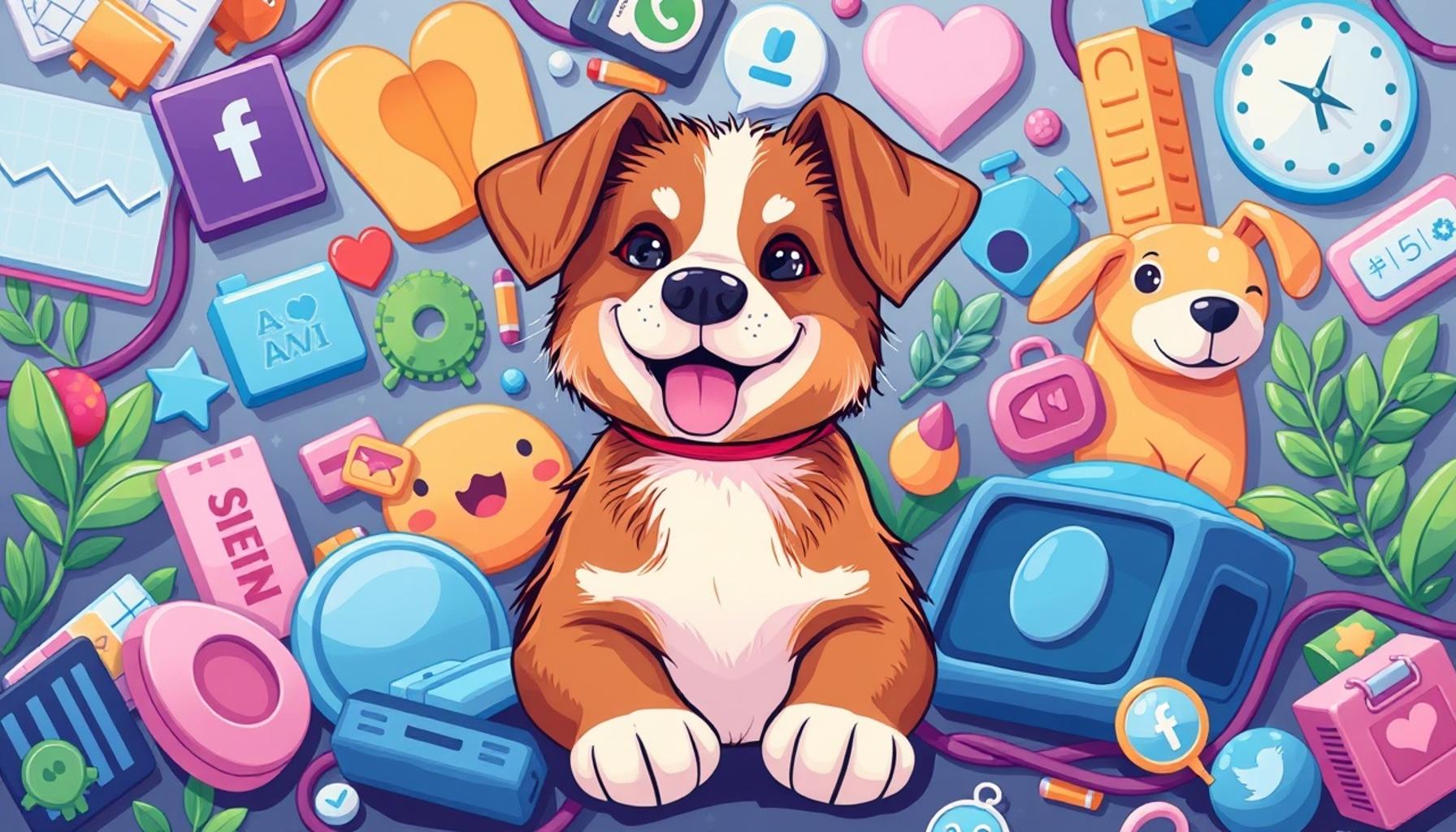
The Role of Social Media in Promoting Animal Adoption

Unleashing Potential: How Social Media Connects Pets with Forever Homes
In today’s digital landscape, social media platforms serve as vital tools for animal shelters and rescue organizations. These platforms reach millions of potential pet adopters, transforming the way the public engages with animal welfare. The life-saving impact of these online communities cannot be overstated.
Key benefits of social media in promoting animal adoption include:
- Wide Reach: Posts on platforms like Facebook, Instagram, and Twitter can easily be shared, amplifying the message to countless users. For instance, a single Facebook post about an adoptable dog can eventually reach thousands through shares and reactions, extending beyond the immediate followers of the shelter’s page.
- Visual Appeal: Eye-catching photos and videos showcase adoptable animals, tugging at the heartstrings of viewers. A short video clip of a playful puppy can be much more effective than a paragraph of text, often turning casual scrollers into serious adopters by sparking an emotional connection.
- Community Building: Organizations can foster supportive communities where current and potential pet owners share experiences and resources. Groups focused on pet care tips, shared recovery stories, and adoption success can engage a broader audience, creating a sense of camaraderie that encourages more adoptions.
Moreover, social media campaigns have proven effective in raising awareness about adoption events and promoting responsible pet ownership. For example, initiatives like #AdoptDontShop encourage potential pet owners to consider adoption rather than purchasing from breeders. Statistics reveal that shelters report higher adoption rates when they actively engage online. According to the ASPCA, shelters with a strong social media presence have seen a significant increase in both inquiries and successful adoptions compared to those who rely solely on traditional marketing methods, such as flyers and word-of-mouth.
As social media evolves, so too does its influence in the realm of animal advocacy. This powerful medium not only helps find homes for animals but also educates the public about the importance of adoption and humane treatment. Campaigns that highlight stories of rescue transformations provide insight into the crucial role shelters play in giving pets a second chance at life.
The question remains: how can we further leverage these platforms to continue saving lives? Possible strategies may include partnering with influencers who advocate for animal welfare, enhancing engagement through interactive content such as polls or live Q&A sessions, and creating educational content that emphasizes the responsibilities of pet ownership. Embracing innovative tactics on social media will undoubtedly pave the way for a brighter future for countless homeless pets.
DISCOVER MORE: Click here to learn how to keep your pet engaged
Paws and Claws: The Impact of Social Media on Pet Adoption Awareness
Social media’s ability to engage, inform, and inspire action makes it an indispensable asset in promoting animal adoption. With millions of users scrolling through their feeds daily, platforms like Facebook, Instagram, and Twitter have become an extension of traditional outreach methods, allowing shelters and rescue organizations to capture the attention of potential adopters where they already spend their time. The visual nature of these platforms not only showcases the animals available for adoption but also highlights the emotional stories that resonate with viewers.
One of the primary ways social media impacts adoption rates is through its ability to create viral campaigns. Consider the success stories of campaigns such as #AdoptDontShop. These initiatives spread awareness about the importance of choosing adoption over purchasing pets from breeders, challenging stereotypes about shelter animals and showing the diverse and loving companions they can be. As users share these posts, the message multiplies, reaching an audience far beyond the original followers of the organization.
In addition to viral campaigns, social media provides shelters with a platform to showcase animals in a dynamic and engaging manner. Shelter posts are often complemented by touching backstories and adorable images that give potential adopters a glimpse into the personalities of the animals they might welcome into their homes. For instance, a heartfelt story about a dog saved from neglect can elicit empathy, motivating a viewer to take action and consider adoption. Successful social media strategies capitalize on this emotional connection, using a mix of professional photography and genuine, candid moments to bring these stories to life.
The role of social media in fostering community engagement cannot be understated. Many shelters and organizations create dedicated pages or groups where adopters can share their experiences, ask questions, and celebrate their new fur-ever friends. This sense of belonging not only keeps the dialogue open but also encourages others to think about animal adoption as a viable option. Here are some ways social media helps build community around pet adoption:
- Sharing Success Stories: Celebrating adopted pets and their journeys encourages others to adopt and fosters a sense of hope.
- Live Adoption Events: Utilizing tools like Facebook Live or Instagram Stories to broadcast events allows shelters to showcase available pets in real-time and interact with viewers.
- Collaborative Fundraisers: Groups can join forces for fundraisers or adoption events, harnessing the power of collective outreach to pull in broader support.
In conclusion, social media has revolutionized the way shelters promote animal adoption, creating a more enriching experience for both the animals and potential adopters. The collaborative spirit and emotional narratives shared on these platforms not only inspire individuals to take action but also cultivate a lasting cultural shift towards the acceptance and love of shelter pets. With evolving technology and innovative strategies, the future of animal adoption through social media looks brighter than ever.
With the rise of social media platforms, animal shelters and rescue organizations have found new ways to connect with potential adopters. This digital transformation has opened doors for creative strategies that resonate beyond traditional adoption methods. Here, we explore some of the key elements that showcase the pivotal role social media plays in fostering animal adoption.
| Advantage | Impact |
|---|---|
| Increased Visibility | Social media platforms allow shelters to showcase animals to a broader audience, significantly increasing the chances of finding a forever home. |
| Community Engagement | Engaging posts encourage community interaction and support, fostering networks of advocates who share the message of adoption. |
Moreover, the ability to share compelling stories, photos, and videos creates an emotional connection between potential adopters and animals. Each post serves as a vibrant testament to an animal’s uniqueness, effectively transforming the adoption process into a heartwarming journey.
Data shows that visual content is more likely to be shared and generates more engagement than text-based posts. Therefore, animal shelters leveraging captivating imagery of animals in need can witness a surge in outreach and interest, paving the way for quicker placements.
Furthermore, social media campaigns featuring rescue success stories not only highlight the importance of adoption but also inspire others to take action. As these anecdotes are disseminated, they serve with a dual purpose of educating the public about the urgency of animal welfare and promoting a culture of compassion.
DIVE DEEPER: Click here to learn more
Connecting Hearts: How Social Media Facilitates Animal Adoption
The role of social media in promoting animal adoption extends beyond awareness; it actively creates a bridge between potential adopters and their future pets. One prominent method is through the use of personal testimonials and user-generated content. When individuals post about their positive experiences adopting pets, they not only share their joy but also inspire their followers to consider adopting as well. These authentic narratives tend to resonate more deeply than traditional marketing, providing a face and a story behind the data. According to a study by the American Society for the Prevention of Cruelty to Animals (ASPCA), animals adopted through social media are often more likely to find loving homes due to the organic storytelling that occurs when adopters share their journeys online.
In addition to personal stories, shelters have turned to the power of social media influencers to amplify their message. Animal lovers with significant online followings have become essential partners for shelters. By collaborating with these influencers, shelters can reach wider audiences, thereby increasing the visibility of their available pets. One notable example is the collaboration between shelters and local pet influencers, who are often more trusted by their followers than conventional advertisements. This grassroots approach not only enhances awareness but also fosters loyalty within the community.
Furthermore, social media marketing trends are becoming increasingly sophisticated, tapping into data analytics to better understand their audiences. Platforms like Facebook and Instagram allow shelters to tailor their content based on demographics, interests, and engagement patterns. For example, a local shelter might find that pet-loving millennials are more responsive to posts featuring playful dog videos rather than detailed text descriptions. By analyzing these insights, organizations can refine their strategies to effectively promote specific animals, ensuring that the right potential adopter sees their posts at the right time.
Moreover, the integration of interactive content has proven beneficial for engaging potential adopters. Quizzes about pet ownership readiness, polls about favorite breeds, or challenges showcasing adopted pets can draw users in and encourage them to think about adopting. This interactive approach can be particularly effective among younger audiences who prefer active engagement over passive consumption. For instance, an Instagram story featuring a pet of the week, coupled with a poll on which name to choose, could spark interest and potentially lead to adoption inquiries, while also fostering a sense of community around the shelter’s online presence.
Additionally, the use of effective hashtags can significantly amplify the reach of adoption posts. Campaigns such as #FosterFails or #RescueRevolution have garnered traction by uniting users under common themes, making it easier for individuals to connect with like-minded animal lovers. Hashtags play an important role in spreading the message far beyond an organization’s immediate follower base, creating a ripple effect that encourages adoption interest. As more people engage with these posts, they have the potential to trigger conversations about responsible pet ownership, the importance of spaying/neutering, and supporting local shelters.
Finally, education and awareness programs on social media, addressing common misconceptions about shelter animals, are crucial in shaping public perception. Myths surrounding behavioral issues or perceived health problems can be dismantled through informative posts and educational videos, which emphasize the benefits of adopting from shelters. These programs equip potential adopters with the knowledge needed to make informed decisions while simultaneously nurturing a culture of compassion and responsibility towards all pets in need of homes.
LEARN MORE: Click here for effective training tips
Conclusion: A Digital Lifeline for Shelter Animals
In conclusion, the impact of social media in promoting animal adoption is profound and multi-faceted. By leveraging personal testimonials, influencer partnerships, and strategic marketing techniques, shelters have harnessed the power of online platforms to create a vibrant community dedicated to animal welfare. These digital tools not only increase visibility for adoptable pets but also generate authentic connections that resonate deeply with potential adopters. The organic storytelling witnessed on these platforms nurtures a culture of compassion and has proven to significantly enhance adoption rates.
The ability to tailor content based on audience insights and engage users through interactive formats adds sophistication to traditional adoption strategies, making them more appealing to a broader demographic, particularly younger audiences. The use of compelling hashtags and educational initiatives dismantles myths about shelter animals, encouraging responsible pet ownership and reshaping public perceptions. As a result, social media has emerged as a vital tool for shelters, creating not just awareness, but also actionable interest and commitment towards animal adoption.
As we move forward in the digital age, the ongoing evolution of social media presents an even greater opportunity for animal welfare organizations to connect with communities. By continuing to adapt and innovate their engagement practices, shelters can ensure that more animals find the loving homes they deserve. Thus, the role of social media in promoting animal adoption is not merely a trend—it’s a transformative movement that emphasizes the importance of every life and the joy of finding a furry companion.

Linda Carter
Linda Carter is a writer and pet care expert specializing in pet health, grooming, and wellness. With extensive experience helping pet owners create safe, loving, and enriching environments for their animals, Linda shares her knowledge on our platform. Her goal is to empower readers with practical advice and strategies to ensure their pets thrive and lead joyful, healthy lives.