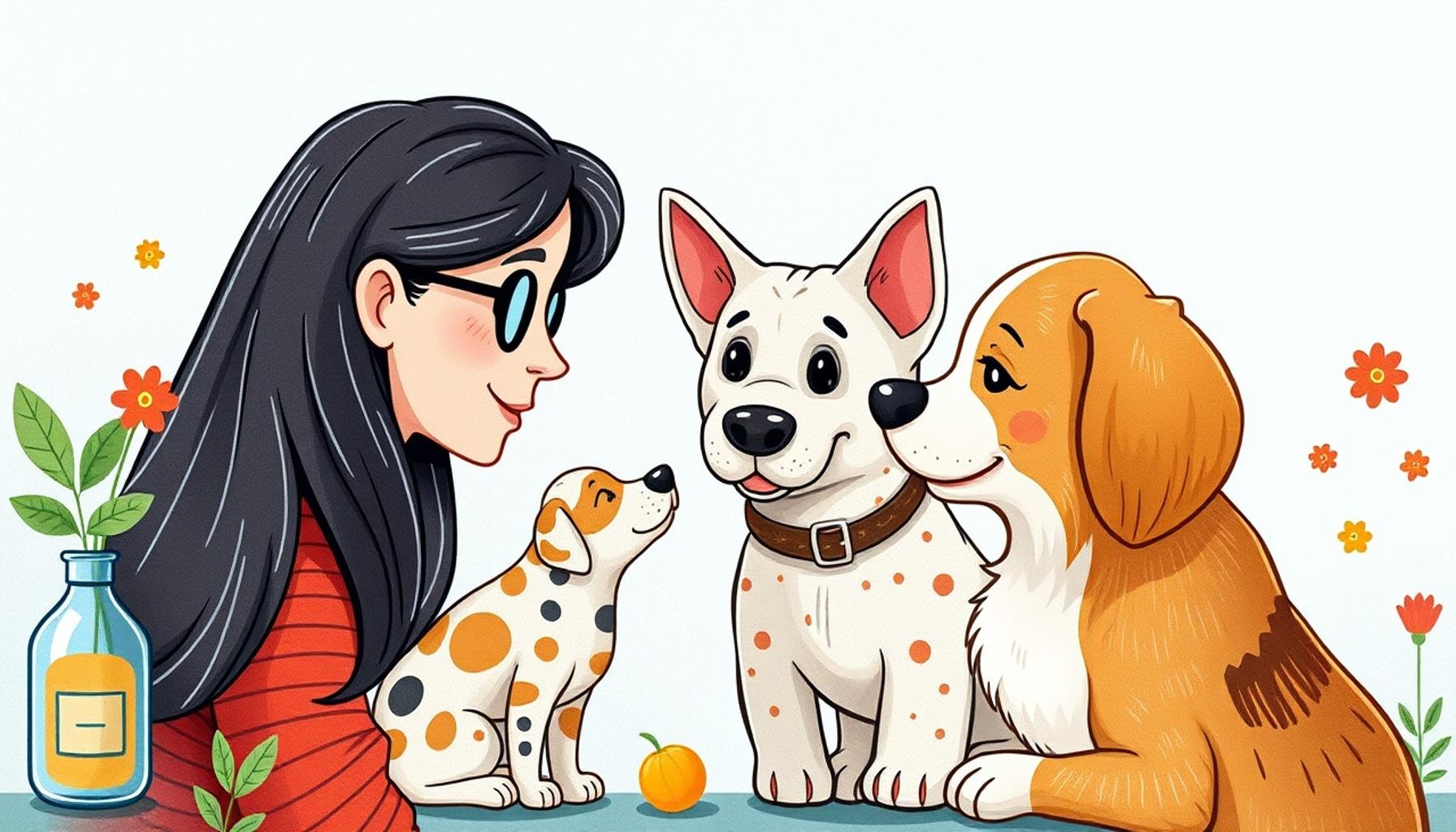
The Impact of Social Media Campaigns on Pet Adoption Trends
Transformative Power of Social Media in Pet Adoption
The rise of social media has revolutionized not only how we communicate but also how we connect with our furry friends. Animal shelters and rescue organizations across the United States are harnessing the power of platforms like Facebook, Instagram, and TikTok to facilitate pet adoption in ways that dramatically alter the traditional adoption process.
One of the most significant outcomes of this social media influence is the increased visibility that adoptable pets receive. No longer confined to local bulletin boards or newspapers, animals are showcased to a broader audience. For instance, a cute Beagle mix lost in a small town can become a viral sensation, garnering thousands of supportive comments and shares, ultimately leading to a potential adopter across the country showing interest. This broad reach is crucial as it enables shelters to connect with potential adopters who might never have encountered these animals otherwise.
In addition to broadening reach, social media allows for the creation of engaging content. Visual storytelling has become an essential component of these campaigns. Beautiful photos and heartwarming videos of pets not only capture attention but also elicit emotional responses from viewers. Take, for example, the trend of “before and after” adoption showcases. These posts often highlight a pet’s journey, illustrating transformations that doggedly tug at heartstrings and encourage sharing—leading to a greater likelihood of finding loving homes for these animals.
Moreover, social media has cultivated a sense of community involvement. Engaged followers are not just passive viewers; they often become active participants in the conversation. They share posts with their friends and family, thereby amplifying reach and fostering an environment where people feel motivated to step forward and adopt. Campaigns that include hashtags, shareable graphics, and community challenges can rally supporters around a cause, resulting in significant collective efforts toward pet adoption. For example, during “Adopt a Shelter Dog Month,” many shelters may see spikes in inquiries as followers participate in challenges showcasing their own pets while encouraging adoption among their social circles.
The impact is quantifiable: a recent study reveals that social media-driven initiatives have contributed to a 25% increase in adoption rates in numerous U.S. shelters. This noteworthy statistic is backed by countless anecdotal stories highlighting the personal connections that social media facilitates between humans and pets.
As we continue to explore the intricacies of this trend, it becomes essential to examine the strategies behind successful social media campaigns, the platforms that yield the highest engagement, and the inspiring tales that underline these efforts. Gaining insight into these elements will not only enlighten us about the current dynamics in pet adoption but is also paramount for driving future initiatives aimed at decreasing the population of homeless pets across the nation.
DISCOVER MORE: Click here to learn about the lasting health benefits of pet ownership
Strategies Behind Successful Social Media Campaigns
Understanding the mechanics of social media campaigns that drive effective pet adoption is crucial for animal shelters and rescue organizations seeking to harness this transformative power. A few foundational strategies have emerged as particularly impactful in fostering connections between pets and potential adopters.
Visual Storytelling
First and foremost, the use of high-quality visuals is paramount. Shelters that invest in professional photography and videography are often more successful in grabbing attention on social media platforms. Posts that feature vibrant, engaging images of pets in playful or candid moments resonate well with audiences. Studies have shown that posts featuring videos of pets playing or interacting with people can achieve up to a 1200% increase in shares compared to simple text updates. This highlights the importance of creating content that not only draws viewers in but also encourages them to share it within their networks.
Story-Driven Content
Complementing visuals, the narratives behind each pet play a vital role in increasing engagement. Posts that tell a compelling story about a pet’s journey—be it a rescue from a harsh situation or a heartwarming adoption story—tend to capture a broader audience. These narratives resonate emotionally and promote a greater sense of empathy, leading potential adopters to feel more connected and responsible for the well-being of the animals. For instance, stories about a shelter dog’s recovery from neglect, paired with images of his newfound joy, can prompt followers to consider adoption not just for themselves but also for their friends and family.
Engagement Strategies
Social media campaigns thrive on engagement. Successful shelters often employ interactive strategies to foster community involvement. Here are some effective engagement tactics:
- Adoption Events: Utilizing social media to promote adoption drives, hosting virtual events or livestreams where viewers can meet adoptable pets in real time, can create excitement and urgency.
- Challenges and Contests: Running campaigns where followers share their pet stories or photos while using specific hashtags can make adoption a fun, community-driven experience. This not only increases visibility but also cultivates a sense of belonging and participation among local pet owners.
- Partnerships with Influencers: Collaborating with local pet influencers or animal advocates can amplify the reach of posts, building credibility and attracting new audiences who are more likely to engage and consider adopting.
By implementing these strategies, shelters are able to not only improve their chances of finding homes for pets but also create lasting connections that resonate with their audiences, showcasing the undeniable influence of social media on pet adoption trends.
The Role of Engagement in Social Media Campaigns
As social media platforms continue to evolve, their role in pet adoption trends has seen a revolutionary shift. One of the most significant impacts of social media campaigns is their ability to create high levels of engagement. Engaging content, whether it showcases heartwarming stories of rescued animals or highlights the features of adoption events, actively draws in potential adopters. This engagement typically culminates in increased visibility for pets in need of homes, creating a powerful cycle of awareness and action.Often, organizations will leverage user-generated content, encouraging pet owners to share photos and stories of their adopted pets. This not only fosters a sense of community but also acts as a persuasive tool. When potential adopters see the joy of others in their journey, it inspires them to take similar steps. This phenomenon has dramatically transformed the landscape of pet adoption, as individuals are more likely to adopt when they feel a connection established through social media narratives.
Statistics Supporting Social Media’s Influence
Recent data on social media’s influence in the realm of pet adoption highlights intriguing trends. According to studies, approximately 70% of pet adopters are influenced by social media campaigns. These statistics underline the potent effect that tailored ads and engaging posts can have on encouraging pet adoptions. Furthermore, social media campaigns boast higher conversion rates, meaning that a significant percentage of those who engage with memorable content often proceed to adopt.
The Power of Targeted Marketing
In addition to engagement, the power of targeted marketing through social media cannot be overstated. Platforms like Facebook and Instagram allow nonprofits to create tailored advertisements that reach specific demographics with a passion for animals. This strategic approach not only maximizes outreach but also enhances the likelihood of successful adoptions.The ease of sharing posts about adoptable pets allows organizations to transcend geographical barriers, reaching far beyond their local communities. Understanding audience insights and behavior enables shelters to refine their messaging, crafting content that resonates deeply with potential adopters.
Visual Storytelling as an Effective Tool
Moreover, visual storytelling has proven to be an incredibly effective tool in pet adoption campaigns. Browsing through striking images or touching videos of pets looking for families captivates audiences, spurring them to action. Adopting pets becomes less of a daunting task and more of a heartwarming journey when framed through compelling visuals. When animals are showcased in a relatable manner, the likelihood of enthusiastic responses increases significantly.In summary, the impact of social media on pet adoption trends cannot be ignored. The intertwined elements of engagement, targeted marketing, and visual storytelling collectively play a role in fostering a supportive environment for adopting pets, which inspires people to take action and provide loving homes for animals in need.
| Category | Details |
|---|---|
| Engagement Opportunities | Creates connect through heartwarming rescue stories. |
| Higher Conversion Rates | Targeted campaigns impact pet adoption decisions strongly. |
DISCOVER MORE: Click here to learn about the benefits of animal-assisted therapy!
Monitoring and Measuring Success
For animal shelters and rescue organizations, understanding the impact of social media campaigns on pet adoption trends goes beyond creating engaging content; it also requires a keen focus on monitoring and measuring success. Analyzing key performance indicators (KPIs) enables organizations to evaluate what strategies resonate most with their audience and ultimately drive adoptions.
Utilizing Analytics Tools
One of the most effective ways to gauge the performance of social media campaigns is by leveraging analytics tools. Platforms like Facebook Insights, Instagram Analytics, and Twitter Analytics provide valuable data on post reach, engagement rates, and audience demographics. By scrutinizing these metrics, shelters can identify which types of content yield the best results, allowing them to refine future campaigns accordingly. For example, if data shows a higher engagement rate on posts featuring adoptable pets alongside local community stories, shelters can pivot their strategy to include more of that content, thereby increasing the likelihood of successful matches.
Tracking Adoption Rates
Moreover, it is essential to correlate social media engagement with actual adoption rates. Organizations can track how many pets were adopted after featuring them in social media campaigns. An increase in adoption rates within a particular timeframe post-campaign can signal an effective strategy that should be replicated in future efforts. For instance, a shelter that sees a spike in adoptions after a video of a specific cat goes viral might consider producing more similar content or even spotlighting different animals that share similar traits, thereby tailoring their outreach.
The Role of Feedback and Community Building
In addition to analytics, gathering feedback from the community plays a crucial role in shaping effective pet adoption campaigns. Engaging followers by asking for their opinions or stories not only fosters a sense of community but can also yield insights into what potential adopters are looking for in a pet. Here are a few methods to gather feedback:
- Surveys and Polls: Conducting simple surveys or polls about what type of content followers enjoy can help organizations customize their campaigns. This also actively involves the community, making them feel like part of the shelter’s mission.
- Adopter Testimonials: Sharing testimonials from happy adopters not only serves as powerful marketing but also builds credibility and trust within the community. Potential adopters are more likely to engage when they see real-life success stories.
- Comments and Messages: Encouraging commentary and messages on posts can provide direct feedback on how campaigns are perceived. Quick responses to queries can enhance rapport and encourage ongoing engagement.
By closely monitoring interactions and the results of their efforts, shelters find themselves better equipped to adapt and evolve their social media campaigns. This data-driven approach allows for targeted outreach, ensuring that the pets featured receive the attention they deserve and increasing overall adoption success rates.
Expanding Reach through Paid Advertising
While organic outreach is vital, many organizations are also turning to paid advertising on social media platforms to broaden their reach. Sponsored posts and targeted ads allow shelters to connect with potential adopters beyond their immediate follower base. Through audience segmentation, shelters can focus their efforts on demographic groups that have previously shown interest in pet adoption, effectively increasing their chances of reaching the right audience. Research indicates that targeted ads can lead to a 30-40% increase in engagement for adoption campaigns, indicating that investment in paid social media strategies can pay off tremendously.
Additionally, shelters can utilize geographical targeting to attract local adopters, as transportation barriers are often a significant hurdle in the adoption process. By promoting specific pets available for adoption within certain locales, shelters make it easier for loving homes to consider adopting nearby.
DON’T MISS OUT: Click here for tips on creating a safe and stimulating environment for your pet
Conclusion: The Transformative Power of Social Media in Pet Adoption
In recent years, social media campaigns have emerged as a compelling force in shaping pet adoption trends across the United States. As our analysis reveals, the strategic use of analytics tools enables shelters and rescue organizations to finely tune their outreach efforts, thereby maximizing engagement and ultimately driving adoption rates. The correlation between social media activity and actual adoption metrics underscores the significance of sophisticated digital strategies in amplifying the voices of adorable animals seeking forever homes.
Moreover, gathering community feedback plays an indispensable role in refining these campaigns. By fostering a sense of involvement among followers—through surveys, testimonials, and interactive content—organizations are not just marketing pets; they are building lasting relationships and cultivating a community of passionate adopters. This responsive approach further enhances the effectiveness of campaigns while ensuring that they reflect the needs and desires of potential adopters.
Additionally, the incorporation of paid advertising provides an avenue for shelters to reach beyond their established follower base, targeting demographics that have shown a previous interest in pet adoption. This strategic expansion not only increases visibility but also brings much-needed attention to pets at risk of remaining in shelters for extended periods. As this article has illustrated, the fusion of organic strategies and paid efforts creates a robust framework for elevating pet adoption outcomes.
Ultimately, the ongoing evolution of social media presents an ever-expanding toolkit for animal welfare organizations. As these campaigns continue to evolve, so too will their capacity to convert likes into lifelong companionships—turning social media engagement into real-world impact, one adorable pet at a time. With data-driven insights and community participation, the potential for future growth in pet adoption trends remains bright and promising.

Linda Carter
Linda Carter is a writer and pet care expert specializing in pet health, grooming, and wellness. With extensive experience helping pet owners create safe, loving, and enriching environments for their animals, Linda shares her knowledge on our platform. Her goal is to empower readers with practical advice and strategies to ensure their pets thrive and lead joyful, healthy lives.