
Using Strategy Games to Enhance Long-Term Memory Recall
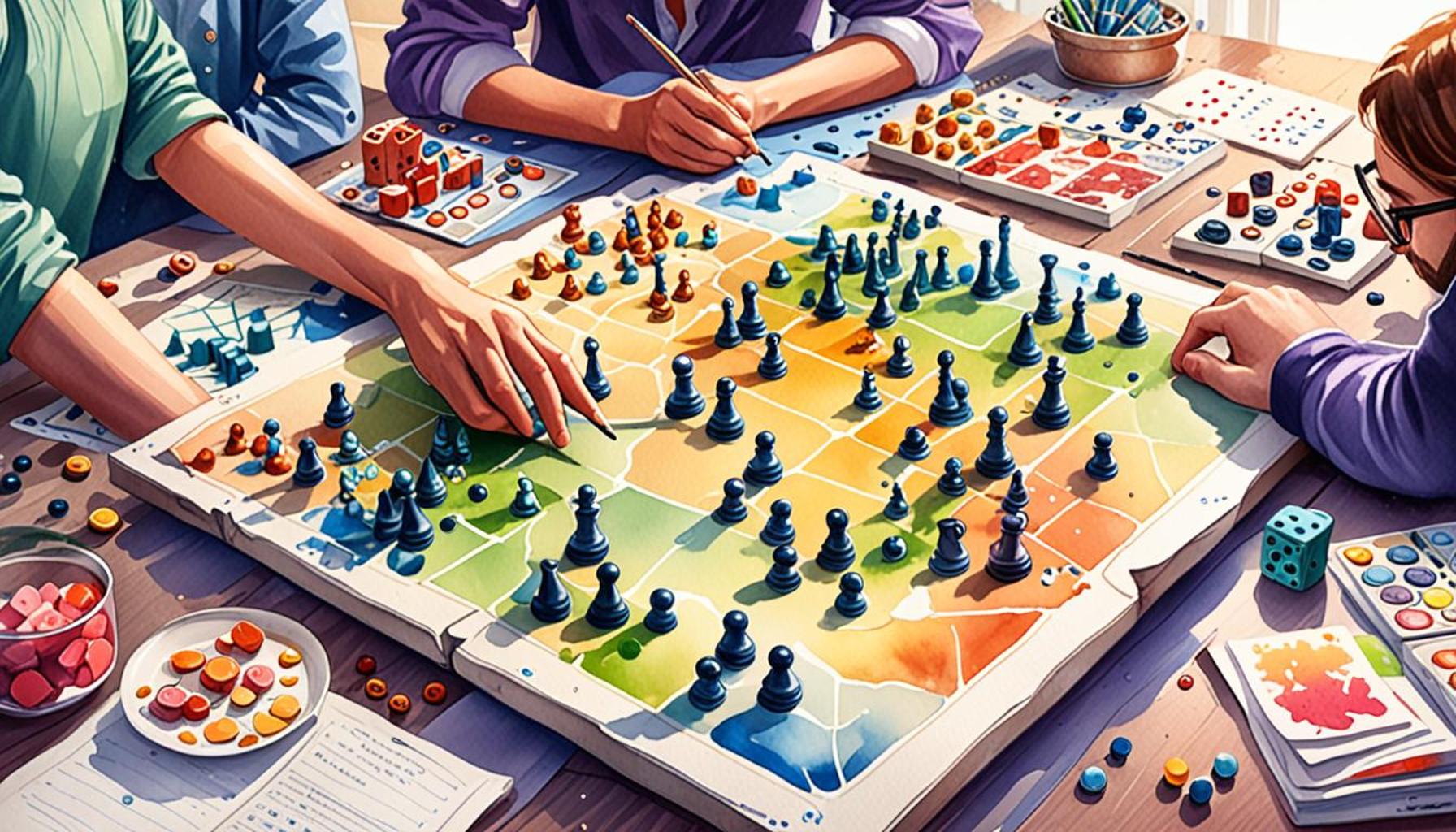
Unlocking Memory Potential Through Strategic Play
Memory is a fascinating aspect of our cognitive abilities that plays a crucial role in how we learn and engage with the world. Interestingly, strategy games have emerged as powerful tools for enhancing long-term memory recall. This article explores the unique connection between gaming and memory, shedding light on how specific gameplay elements can facilitate cognitive improvement.
The Mechanics of Memory Enhancement
Research indicates that games designed with strategic complexity can bolster memory functions in several impactful ways:
- Critical Thinking Skills: Strategy games require players to think analytically and make decisions that impact outcomes. Each choice can lead to various consequences, forcing players to evaluate their strategies continuously, which in turn sharpens their decision-making processes and promotes a growth mindset.
- Problem-Solving: Players are often faced with challenges that necessitate innovative solutions, fostering creativity. For example, in many games, players need to navigate complex scenarios, adapting their strategies to ever-changing variables, which can translate to enhanced real-world problem-solving abilities.
- Repeated Exposure: Regular gameplay reinforces memory pathways, making information retrieval easier over time. Just as studying a subject multiple times helps with retention, engaging with strategy games repeatedly can create strong connections in memory, making recall both quicker and more intuitive.
Examples of Effective Strategy Games
Several popular strategy games have been studied for their benefits in memory recall, each offering unique learning experiences:
- Chess: Known as a timeless classic, chess enhances pattern recognition, strategic planning, and foresight. Players must remember a multitude of potential moves, both their own and their opponent’s, which significantly improves memory retention.
- StarCraft: This real-time strategy game requires multitasking and real-time decision-making. Players must manage resources, build armies, and develop strategies while simultaneously responding to opponents, making it a complex exercise for memory and strategic thinking.
- Civilization: This franchise introduces historical contexts and requires effective resource management over expansive periods of gameplay. Players learn about socio-political strategies and historical events, which also fosters contextual memory and comprehension.
As we delve deeper into the realm of strategy gaming, it becomes evident that engaging in these games offers more than mere entertainment; it serves as a robust mental exercise that actively strengthens cognitive abilities. With every match played and each strategy deployed, players inadvertently fuel their memory enhancement, revealing a landscape where play and learning beautifully intersect. Thus, those seeking to boost their cognitive skills may find that immersing themselves in strategic gameplay can be both an enjoyable and effective path to improved memory recall.
DISCOVER MORE: Click here to learn about the power of competition in friendships

The Cognitive Advantages of Strategic Gameplay
Engaging in strategy games leads to profound cognitive benefits, significantly contributing to the enhancement of long-term memory recall. These games not only entertain but also challenge players intellectually, stimulating various brain functions essential for memory retention. The intricacies of strategic gameplay encourage players to create, modify, and refine strategies, which can actively lock information into long-term memory.
Through the process of engaging with these games, several cognitive mechanisms are activated, which play critical roles in memory formation:
- Active Engagement: Strategy games require players to immerse themselves in complex scenarios, mentally simulating outcomes based on their actions. This level of active participation fosters a deeper connection with the material, akin to how active learning techniques have been shown to improve retention in educational contexts.
- Spatial Awareness: Many strategy games involve navigating maps or physical spaces, enhancing spatial memory. Players develop the ability to recall locations, movements, and territories, which strengthens their capacity for remembering details in both gaming and everyday situations.
- Social Interaction: Multiplayer strategy games introduce an element of social interaction, whether through competition or collaboration. Engaging with others not only enhances communication skills but also necessitates remembering strategies and techniques used by players, promoting interpersonal memory recall.
To illustrate these cognitive processes in action, let’s look at research findings that underscore how playing strategy games correlates with enhancements in long-term memory:
A study conducted by the University of California found that participants who played strategic video games exhibited improvements in their memory recall abilities compared to those who engaged in non-strategic games. Specifically, players experienced enhanced ability to remember the sequences of events and strategies that occurred during gameplay, which suggests the role of strategy games in fostering cognitive elasticity. Furthermore, participants reported enjoying the process, further promoting continued engagement which is crucial for neuroplasticity and memory retention.
In light of these findings, it’s essential to recognize how strategy games serve as mental simulations that can translate to improved learning and retention skills in various contexts, from academic studies to professional scenarios and beyond. As players navigate decision-making processes and confront challenges, they hone their memory recall abilities, enhancing their overall cognitive skills.
The action of memorizing, strategizing, and evaluating is not mere play; it is a cognitive workout that promotes and strengthens long-term memory recall. As we explore this fascinating intersection between gaming and cognitive function, the potential for improving memory through strategic gameplay becomes increasingly clear and captivating.
| Advantages | Impact on Memory Recall |
|---|---|
| Cognitive Engagement | Enhances neural connectivity and promotes better recall through active participation. |
| Increased Focus | Sharpened attention allows players to retain more details, aiding long-term memory formation. |
| Strategic Thinking | Improves problem-solving skills which are crucial for memory retention. |
The connection between strategy games and enhanced long-term memory recall is not merely anecdotal. Research supports the idea that playing these games can significantly engage cognitive functions, which is pivotal for memory enhancement. Not only do these games require players to remember positions, rules, and strategies, but they also stimulate various brain regions associated with memory and learning. Engaging in such mental exercises fosters an environment conducive to neural plasticity, nurturing brain health and memory function. Furthermore, strategy games often involve complex narratives and scenarios that demand players to adopt different perspectives and think ahead, reinforcing their ability to commit information to memory. By actively participating in game scenarios, individuals train their brains to connect new concepts with existing knowledge, thus fostering better integration and recall in real-life situations. With consistent play, strategy games can become powerful tools in memory improvement, paving the way for broader applications in educational settings and cognitive rehabilitation.
DISCOVER MORE: Click here for innovative memory techniques
Strategy Games: Bridging Knowledge and Practice
Delving deeper into the relationship between strategy games and memory recall, it’s important to highlight how these games serve not only as a form of entertainment, but also as valuable tools for cognitive enhancement. The integration of knowledge acquisition and practical application within these games cultivates a unique environment that optimizes learning experiences.
One of the notable mechanisms at play is the concept of deliberate practice. In the realm of strategy games, players often encounter scenarios that require them to apply previously learned strategies or principles. This cyclical process of recalling information and implementing it in real-time feeds into long-term memory consolidation. Research published in the *Journal of Experimental Psychology* has shown that memory recall improves significantly when individuals actively apply what they have learned rather than simply passively reviewing information.
Furthermore, numerous strategy games incorporate elements of gamification that amplify engagement levels. Through rewarding systems, in-game achievements, and progression metrics, players are motivated to improve not just their gaming skills, but also their memory capabilities. For instance, games like *Civilization* challenge players to remember historical figures, technological advancements, and resource management techniques, all of which require the retention of an extensive range of information. As players invest time into mastering these games, they inadvertently reinforce their ability to retrieve knowledge from memory.
Another compelling aspect of strategy games is their ability to promote problem-solving skills through trial and error. This learning approach allows players to experience failures—which are crucial for memory recall—as they analyze strategies that didn’t work and adapt in subsequent playthroughs. The act of modifying one’s approach based on past mistakes solidifies the learning experience. A study by the University of Washington illustrated that gamers who frequently engage in strategy games exhibit higher cognitive flexibility, enabling them to more easily recall diverse information relevant to multiple scenarios.
Moreover, many strategy games are designed with rich narratives and intricate world-building. This storytelling element compels players to invest emotionally in the game, further anchoring the memories associated with it. Humans have an intrinsic ability to remember stories far better than isolated facts; hence, by placing strategic elements within captivating narratives, these games create a fertile ground for long-term memory consolidation. Titles like *StarCraft* and *Age of Empires* not only require tactical thinking but also immerse players in historical contexts that enhance retention through meaningful connection.
The rising popularity of mobile strategy games, such as *Clash of Clans* and *Rise of Kingdoms*, underscores this trend, appealing to a broader audience. A recent survey indicated that approximately 60% of strategy game players reported that engaging with these games has positively influenced their memory and strategic thinking in real-life situations. As audiences become more diverse and technology advances, the potential for using strategy games to boost cognitive functions appears limitless.
To conclude, the intersection between strategy games and long-term memory recall presents a fascinating avenue for exploration. As cognitive research continues to unveil the neurological benefits of gameplay, it becomes increasingly evident that these games are more than just a pastime; they are instrumental tools for enhancing real-world skills and memory retention.
DIVE DEEPER: Click here to learn more
Conclusion: The Cognitive Revolution in Gaming
As we have explored throughout this article, the realm of strategy games presents a compelling case for their role in enhancing long-term memory recall. These games are uniquely positioned at the juncture of entertainment and education, offering players innovative ways to improve cognitive abilities through active engagement and practical application of knowledge.
The principles of deliberate practice, combined with gamification elements and rich storytelling, create an immersive learning environment that effectively facilitates memory retention. Players are not merely passive consumers of information; instead, they actively engage in strategic decision-making, which requires them to recall and apply various pieces of knowledge in real-time. This process is crucial for consolidating memories that can be accessed long after the game has ended.
Additionally, the emotional connections forged through narrative-driven gameplay and the trial-and-error nature of problem-solving further contribute to an enhanced ability to retrieve and utilize information in different contexts. As evidenced by recent research and player testimonials, the benefits of engaging with strategy games extend beyond the virtual world and can translate into improved cognitive flexibility and strategic thinking in everyday life.
Looking to the future, the potential for strategy games to serve as tools for cognitive enhancement is vast and largely untapped. With technological advancements and an ever-growing diversity of audiences, this intersection of play and learning continues to promise exciting developments. As players embrace these interactive experiences, they not only unlock new levels of entertainment but also embark on a journey toward heightened memory recall and enriched mental abilities. Thus, the strategic landscape of gaming not only entertains but educates, offering a pathway to sharpen our minds for the challenges of tomorrow.