Unveiling the Neuroscience of Problem Solving: What Happens in the Brain During Logic Games
Understanding the Processing of Problem Solving in the Brain
As we engage with logic games and navigate through various cognitive puzzles, a fascinating question arises: what is happening in our brains during these mental challenges? By delving into the neuroscience behind problem solving, we not only uncover the mechanics of our thought processes but also gain insight into the intricate workings of decision-making that shape our daily lives.
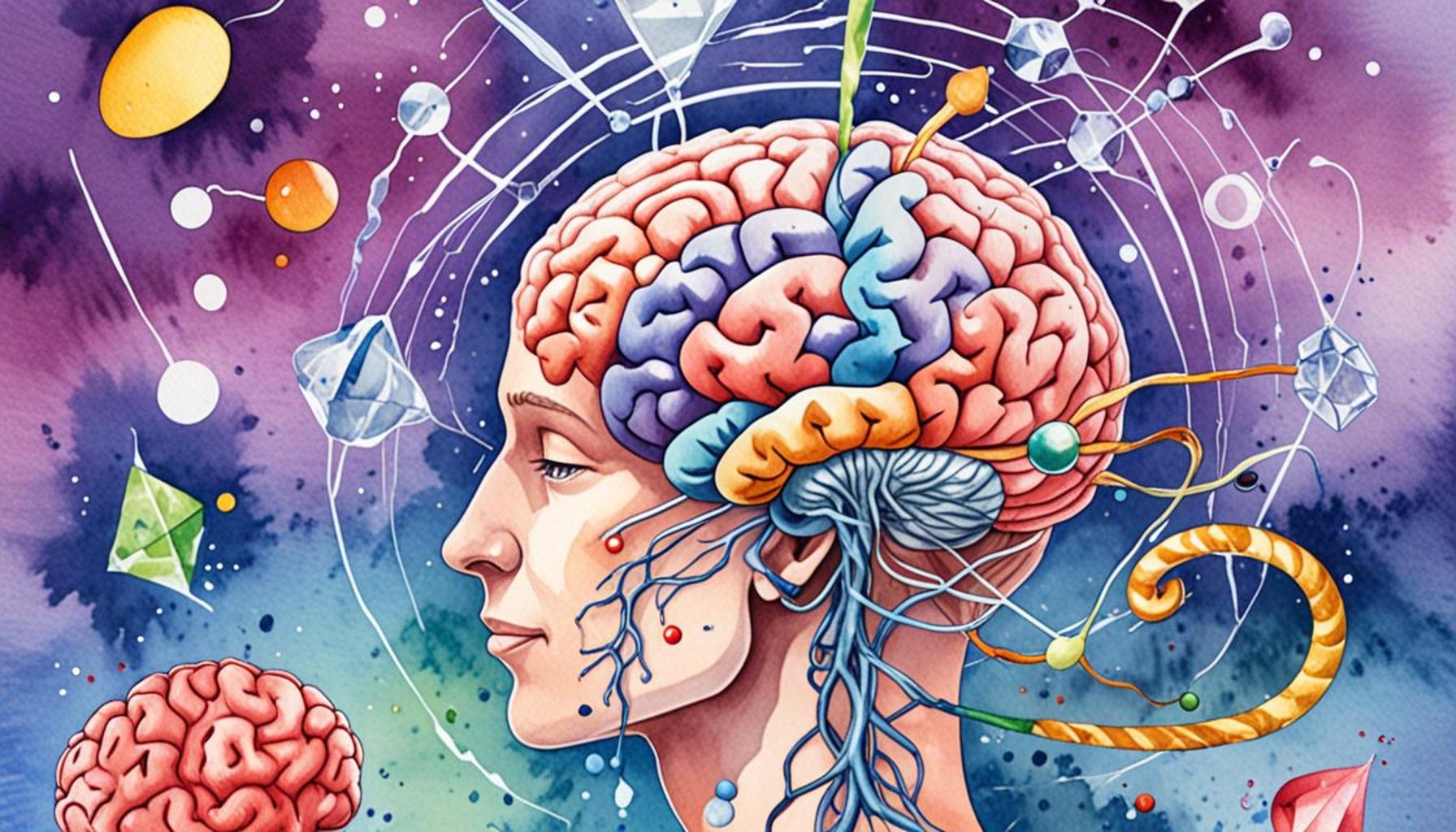
Extensive research into cognitive neuroscience indicates that specific areas of the brain become active when we are confronted with logic games. Some of the most critical regions include:
- Prefrontal Cortex: This area is pivotal for planning, decision-making, and complex thought processes. It acts like the brain’s executive manager, orchestrating how we approach and solve problems.
- Hippocampus: Serving as the brain’s memory bank, this region supports memory processing and facilitates learning. It is invaluable when recalling past experiences to inform current decisions.
- Amygdala: Known primarily for its role in processing emotions, the amygdala influences our logical thinking by shaping our responses to perceived threats or rewards, thereby impacting our decisions during problem-solving scenarios.
When we engage in gameplay, our brains experience a rich tapestry of interactions. Such engagement results in several cognitive benefits, including:
- Enhanced Cognitive Flexibility: This is our ability to adapt our thinking based on new information or changing conditions, a skill critical in both game scenarios and real-life challenges.
- Improved Analytical Skills: By regularly practicing logic games, we sharpen our ability to analyze situations critically, leading to more informed decisions.
- Heightened Focus and Concentration: Sustained periods of engagement allow us to develop greater attention span and focus, which are essential for tackling complex problems.
With the advent of advanced neuroimaging techniques, scientists can now visualize brain activity during problem-solving tasks. These studies provide a window into the neurobiology of logic games, allowing researchers to map how different regions of the brain collaborate and function in concert to tackle cognitive challenges. This emerging body of knowledge not only enhances our understanding of mental mechanisms but also suggests ways to improve our problem-solving capabilities and adapt them to various aspects of life.
As we delve deeper into the connection between neuroscience and problem solving, we encounter new avenues for exploration. The insights gained could potentially transform educational methodologies, promoting not only learning but also the cultivation of essential skills pertinent to lifelong success. Moreover, understanding these processes can lead to practical applications, informing strategies for better decision-making in professional and personal settings.
By actively engaging in logic games and other stimulating cognitive activities, individuals in the United States and beyond can harness the power of their brains, unlocking their potential to approach challenges with enhanced clarity and confidence.
EXPLORE MORE: Click here to discover how collaborative puzzles enhance social bonds
The Mechanisms of Brain Activity During Logic Games
As individuals immerse themselves in logic games, a remarkable orchestration of neural activity unfolds within the brain. The fascinating interplay between various regions illuminates how we tackle problems, analyze situations, and ultimately arrive at solutions. Understanding these mechanisms can not only enhance our appreciation for cognitive processes but also inform approaches to improve our problem-solving abilities.
Recent studies utilizing advanced neuroimaging techniques, such as functional magnetic resonance imaging (fMRI), have shed light on the specific brain activities associated with engaging in logic games. Researchers have found that as players grapple with challenges—be it puzzles, strategy games, or mathematical problems—there is a notable increase in connectivity among several key brain areas:
- Dorsolateral Prefrontal Cortex: This specific part of the prefrontal cortex is particularly active during tasks that require working memory and reasoning. Here, individuals formulate hypotheses and evaluate potential outcomes, embodying the executive functioning that is crucial in problem-solving.
- Posterior Parietal Cortex: Engaged in spatial reasoning and numerical assessments, this region plays a vital role in managing the mental manipulation of objects and quantities. Its activity allows players not only to visualize problems but also to strategize effectively.
- Anterior Cingulate Cortex: Often linked to motivation and error detection, this area helps individuals maintain focus while navigating distractions. It allows for rapid adjustments in strategy when confronted with unexpected challenges.
Through ongoing gameplay, individuals can experience a range of cognitive benefits that extend beyond mere entertainment. Here are a few notable advantages:
- Strengthened Neural Pathways: Regular engagement in logic games promotes the formation of robust neural connections. This neural plasticity enables enhanced cognitive performance in diverse areas, from academic settings to professional environments.
- Boosted Problem-Solving Speed: As the brain becomes accustomed to solving specific types of logic problems, individuals often experience a marked reduction in the time needed to arrive at solutions.
- Increased Patience and Persistence: Logic games often require players to revisit problems and explore multiple solutions. This practice fosters a growth mindset, encouraging individuals to develop patience and resilience in the face of obstacles.
The implications of these findings stretch far beyond personal enjoyment. Understanding the neuroscience of problem solving may influence educational curriculum designs, fostering environments that nurture critical thinking and creativity among students. By integrating logic games into learning frameworks, educators can prepare students to tackle real-world challenges effectively, equipping them with essential skills for success in an increasingly complex world.
Moreover, this knowledge can empower adults seeking to sharpen their cognitive skills in professions such as engineering, software development, or law, where analytical thinking is paramount. As society continues to embrace technological advancements, the ability to solve problems creatively and decisively is becoming an indispensable trait.
| Category | Advantages |
|---|---|
| Cognitive Flexibility | Participants often display enhanced flexibility in thinking, allowing them to adapt to unexpected changes in problem structure and requirements. |
| Enhanced Memory | Engagement in logic games has been linked to improvements in working memory capacity, which is essential for holding and manipulating information. |
| Improved Critical Thinking | Such activities hone critical thinking skills, encouraging players to evaluate situations and make judicious decisions based on available information. |
| Stress Reduction | Participating in logic games can serve as a stress relief tool, fostering a state of flow that decreases anxiety levels. |
Research in neuroscience has unraveled fascinating insights into the brain’s inner workings during logic games. These activities engage specific neural pathways, particularly within the frontal cortex, responsible for decision-making and problem-solving. Players frequently utilize two types of cognitive processing: analytical thinking, which is prerequisite for linear problem-solving, and divergent thinking, helping to generate creative solutions. Enhanced synaptic connections develop as a result of repeated engagement, laying the groundwork for greater cognitive efficiency. Furthermore, this practice sharpens executive functions, aligning with lifelong learning and adaptability, crucial skills in our rapidly evolving world. The rich interplay of competitive spirit and intellectual challenge found in logic games nurtures a dynamic environment for personal and cognitive growth, ultimately reflecting the profound influence of problem-solving activities on our neurophysiological state.
LEARN MORE: Click here to uncover the benefits of Sudoku
The Cognitive Advantages of Engaging in Logic Games
The cognitive benefits of playing logic games extend far beyond simple entertainment, providing a unique opportunity to unlock and sharpen the brain’s problem-solving capabilities. As players actively engage in these mentally stimulating activities, distinct changes occur not only within specific brain regions but also in overall cognitive function. One area drawing increased interest is cognitive flexibility, which refers to the brain’s ability to adapt thought processes and strategies in response to changing information—a skill remarkably honed through logic games.
Moreover, studies have illustrated that individuals who engage regularly in logic puzzles can experience enhanced executive functioning. This encompasses a suite of cognitive processes—including planning, task initiation, and self-monitoring—that are paramount for effective problem-solving. Enhanced executive functions pave the way for individuals to approach challenges methodically and strategically. For instance, a 2019 study published in the journal “Neuropsychologia” highlighted that players of complex strategy games exhibited stronger executive skills compared to non-players, showcasing how logic games can sculpt the way we think and act.
Another fascinating insight into the neuroscience of problem solving is the concept of transfer effects. This phenomenon describes how skills developed through one specific type of task transfer to unrelated tasks. Engaging in logic games has been linked with improved performance in various academic subjects, from mathematics to language arts. For example, a group of researchers at the University of California found that students who participated in logic-based activities displayed improved mathematical reasoning skills, a testament to the far-reaching impacts of these games.
Furthermore, the social aspect of playing logic games cannot be understated. Multiplayer or collaborative logic games induce an environment conducive to sharing ideas and strategies, fostering not just individual growth but also community learning. This collaborative aspect activates brain regions associated with empathy and social cognition, such as the medial prefrontal cortex and the temporoparietal junction, enhancing interpersonal skills that are crucial in teamwork-oriented professions.
The interplay of competition and cooperation seen in many logic games also triggers the release of neurotransmitters like dopamine, which are associated with feelings of pleasure and reward. This mechanistic link not only motivates individuals but also enhances memory retention and recall, making the problem-solving process more effective and rewarding. Regularly interacting with peers or family while solving logic problems can produce a sense of camaraderie, reinforcing learning and sustaining engagement.
Furthermore, understanding the nuances of brain activation during logic games opens avenues for developing targeted training programs aimed at various demographics. For instance, cognitive scientists are delving into interventions tailored for the elderly that leverage logic games to combat age-related cognitive decline. Programs designed with the intent of enhancing engagement can stimulate neuroplasticity, potentially delaying the onset of dementia and other cognitive impairments that often occur with aging.
As the field of neuroscience continues to evolve, the implications of integrating logic games into everyday life become increasingly apparent. The evidence suggests that as we decode the complex orchestration of brain activity during these games, we are not just enhancing our enjoyment of puzzles; we are developing critical skills that hold the potential for profound implications across various facets of life.
DISCOVER MORE: Click here to learn about the benefits of puzzle-solving
Conclusion: The Mind’s Playground
In summary, as we delve deeper into the neuroscience of problem solving through logic games, we uncover a rich tapestry of cognitive benefits that extend well beyond simple amusement. The brain’s intricate architecture is revealed to adapt and evolve through the challenges presented by these puzzles, enhancing cognitive flexibility and strengthening executive functioning. What emerges is a compelling portrait of a brain that not only learns but also transfers skills across diverse domains—from academic pursuits to everyday decision-making.
The implications of engaging in logic games reach far and wide. By fostering an environment for collaboration and social interaction, these games activate essential brain regions responsible for empathy and social cognition, skills increasingly vital in our interconnected world. The joy and satisfaction derived from solving complex problems also releases neurotransmitters that promote healthy brain function and enhance memory retention, making the experience fulfilling and rewarding.
Moreover, as researchers leverage these insights to develop targeted programs for various demographic groups, most notably the elderly, the potential for these games to combat cognitive decline is promising. The concept of neuroplasticity reinforces the argument that the brain is ever-evolving, and with the right stimuli, it can resist the ravages of age-related decline.
Ultimately, engaging with logic games enriches our lives, encourages lifelong learning, and cultivates skills that are critical in today’s complex world. As we embrace the fusion of play and productivity, we may continue to unlock new dimensions of our cognitive potential, revealing not just what happens in the brain, but how we can actively shape our future.