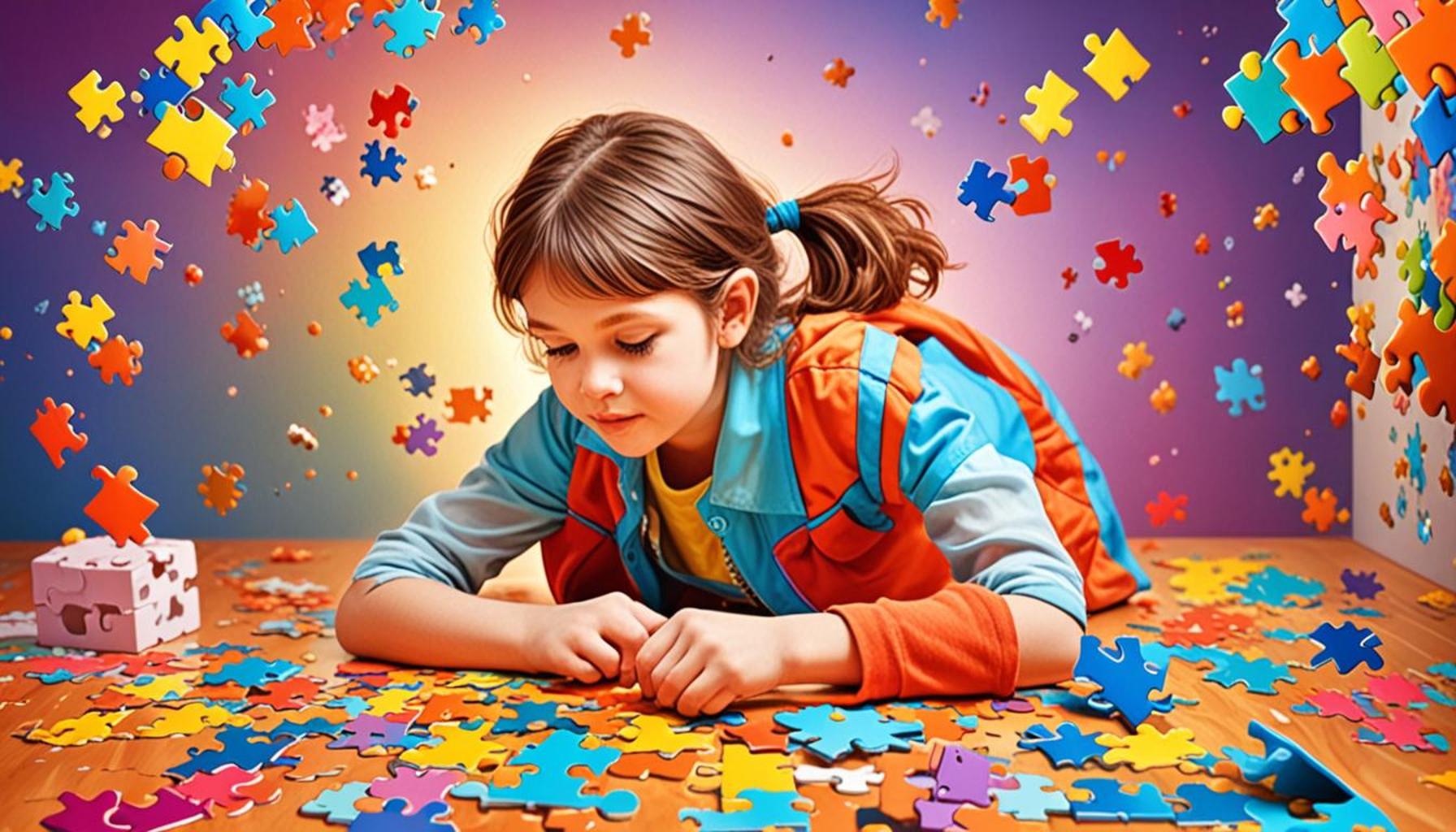
Three-Dimensional Puzzles: Exploring Their Effectiveness in Enhancing Spatial Awareness and Memory

Unlocking the Mind: The Power of Three-Dimensional Puzzles
In an age where our cognitive skills can sometimes take a backseat to technology, three-dimensional puzzles emerge as a stimulating challenge for the mind. These intricate creations not only captivate our attention but also serve a greater purpose in enhancing vital cognitive functions.
Research suggests that engaging with these puzzles can significantly improve various skills, including:
- Spatial awareness: The ability to visualize and manipulate objects in space, which is crucial for fields like architecture and engineering. For example, when assembling a 3D puzzle of a famous landmark, individuals must interpret spatial relationships and angles to fit pieces together correctly.
- Memory retention: The capacity to recall information and experiences. Studies indicate that activities requiring memory, such as remembering the placement of puzzle pieces, engage different neural pathways, thereby enhancing our overall memory capabilities.
- Problem-solving: Engaging with these puzzles enhances analytical and critical thinking skills. For instance, overcoming the challenges presented by complex 3D puzzles can foster resilience and resourcefulness in problem-solving, traits that are invaluable in both personal and professional contexts.
Numerous studies underline the benefits of incorporating three-dimensional puzzles into daily activities. For instance, individuals who frequently engage with puzzles like Rubik’s Cubes or 3D model kits often report a heightened sense of accomplishment as they navigate complex challenges. These puzzles require strategizing and planning, prompting players to think several steps ahead. Additionally, engaging in this stimulating pastime can also alleviate stress, as it encourages a flow state where all distractions fade away.
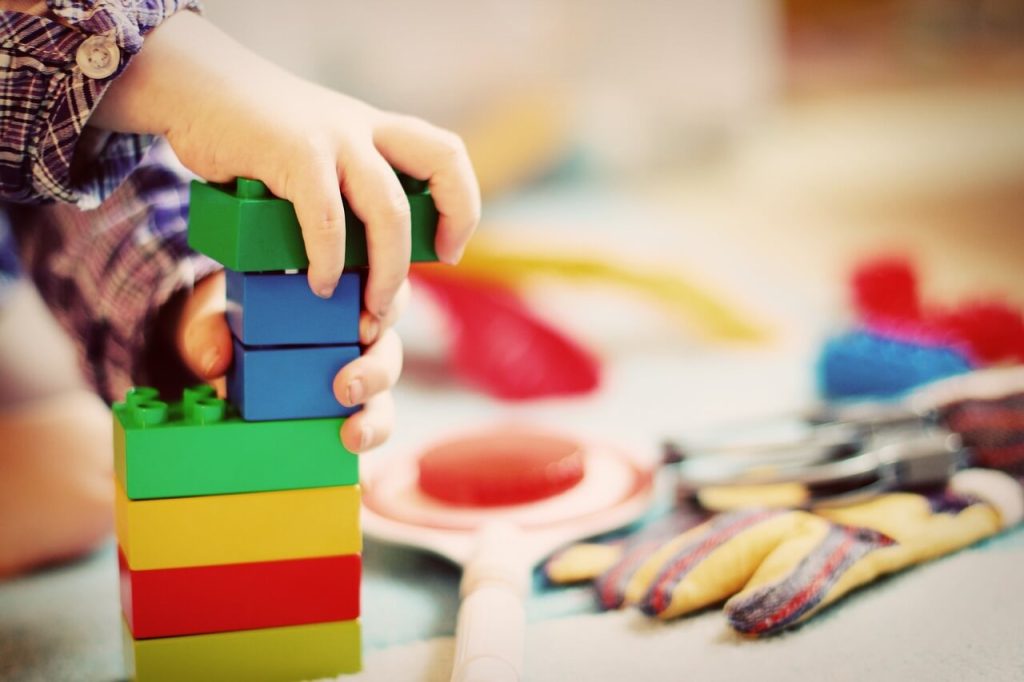
The variety of three-dimensional puzzles available today is vast. From simple wooden block designs targeted at children to more intricate mechanical puzzles like the infamous “Zometool” system—these tools not only offer entertainment but also educational value. In many United States classrooms, educators have started to incorporate puzzle-building into their teaching methods to help students with visual-spatial skills and foster teamwork as students often work together to solve intricate challenges.
As we dive deeper into the world of three-dimensional puzzles, we uncover their multifaceted impact on the brain. Engaging in these activities does more than just fill time; it transforms not just our leisure moments but also our cognitive capabilities. In an era dominated by digital distractions, embracing hands-on intellectual pursuits like three-dimensional puzzles could be the key to boosting our mental acuity while carving out time for personal satisfaction and growth.
Ultimately, the underlying message is clear: dedicating time to these cognitive exercises can yield substantial benefits. By exploring the realms of creativity, logic, and spatial reasoning through three-dimensional puzzles, individuals can unlock new dimensions of their intellect, enriching both their personal and professional lives.
DIVE DEEPER: Click here to discover more
The Cognitive Benefits of Engaging with Three-Dimensional Puzzles
The allure of three-dimensional puzzles goes beyond mere entertainment; it resides within their capacity to enhance vital cognitive abilities. As individuals immerse themselves in constructing these intricate structures, they engage their brains in multifaceted ways that can significantly affect spatial awareness and memory retention. Understanding the mechanics of these benefits sheds light on why these puzzles have been embraced by enthusiasts and educators alike.
One particular area of focus is spatial awareness, a skill vital for navigating our environments and a cornerstone of numerous professional disciplines. When piecing together a 3D puzzle, individuals are compelled to visualize dimensions and displacements in a way that two-dimensional puzzles do not require. For example, building a 3D replica of a vehicle not only necessitates recognizing how different components fit together but also encourages an understanding of how these components may interact within a physical space. This fortification of spatial reasoning has real-world implications; in fields such as engineering and architecture, where envisioning complex structures is paramount, the skills honed through puzzle-solving can translate into enhanced performance.
Furthermore, research indicates that regular engagement with three-dimensional puzzles contributes to improved memory retention. As individuals work to remember the location of certain pieces or the order of assembly, they are exercising their cognitive functions related to memory. Neuroscientific studies reveal that such activities activate diverse neural pathways associated with working and long-term memory. This means that the more one participates in these stimulating challenges, the more adept one becomes at retaining information overall. Enhanced memory is not just limited to puzzle-related tasks; this skill cascades into everyday life, enriching interpersonal relationships and academic performance as individuals apply these capabilities beyond the puzzle board.
Another noteworthy advantage of engaging with three-dimensional puzzles is the cultivation of problem-solving skills. The complexity presented by these puzzles forces individuals to innovate, strategize, and think critically as they navigate potential solutions. When faced with intricate designs or multiple components, puzzle enthusiasts must develop effective approaches, thereby fostering resilience and resourcefulness. This problem-solving acumen proves invaluable, extending its benefits into both personal and professional arenas. For instance, an architect might apply the spatial reasoning honed through puzzles to conceptualize unique structural designs, further showcasing how the practice extends well beyond casual hobbyist activities.
As the psychological and educational communities begin to unravel the depth of these cognitive enhancements, their applications continue to expand. Programs that incorporate three-dimensional puzzles are increasingly making their way into classrooms throughout the United States, providing students with a hands-on approach to learning. By cultivating an environment where teamwork is essential for tackling these puzzles, educators can effectively foster collaboration along with cognitive skill development among students. Engaging in this tactile learning experience allows students to discover the interconnectedness of mathematics, science, and the arts while boosting their spatial and memory skills.
In summary, the effectiveness of three-dimensional puzzles in enhancing spatial awareness and memory cannot be overstated. By understanding the cognitive benefits associated with these engaging tasks, individuals are encouraged to seek out experiences that not only entertain but also enrich their intellectual capabilities.
Understanding the Mechanisms Behind Three-Dimensional Puzzles
Three-dimensional puzzles offer a unique approach to cognitive development by engaging users in spatial reasoning tasks. As players manipulate these intricate pieces, they not only develop their spatial awareness but also enhance their memory capabilities. Research indicates that engaging with 3D objects activates multiple brain regions associated with visual processing, kinesthetic skills, and short-term memory retention.
The Cognitive Benefits
One of the primary benefits of three-dimensional puzzles is their ability to improve problem-solving skills. As individuals work to fit pieces together, they must visualize how each section interacts with others, honing their ability to predict outcomes. This enhanced visualization translates into real-world skills, such as architectural planning and design. Moreover, studies have shown that regular engagement with such puzzles can lead to a marked improvement in academic performance in spatially demanding subjects like mathematics and engineering.
Encouraging Collaborative Play
Additionally, three-dimensional puzzles foster collaboration when tackled in groups, encouraging social interaction along with cognitive growth. This dynamic can be especially beneficial for children, as they develop teamwork and communication skills alongside their cognitive abilities. The shared experience of solving these puzzles in a team setting can cultivate important interpersonal skills that extend beyond the puzzle itself into everyday life.
Variety in Design and Complexity
The variety in design and complexity of three-dimensional puzzles further enriches their effectiveness. From simple geometric shapes to intricate, themed structures, these puzzles cater to varying skill levels. This adaptability ensures that both beginners and experienced individuals can find appropriate challenges, sustaining interest and encouraging continual cognitive growth. As participants tackle increasingly complex puzzles, they not only build their confidence but also engage deeper cognitive functions, making every session a valuable learning experience.
| Category 1 | Category 2 |
|---|---|
| Enhanced Spatial Reasoning | Engaging with these puzzles improves visual-spatial skills required for navigation and comprehension of complex structures. |
| Memory Boost | Regular interaction with three-dimensional tasks strengthens both short-term and long-term memory retention. |
The ability of three-dimensional puzzles to enhance cognitive functions is a profound area of exploration, making them an invaluable tool for educational growth and lifelong learning. Whether for children or adults, these puzzles are more than just a pastime; they are pathways to cognitive expansion.
DISCOVER MORE: Click here to dive deeper
The Social and Emotional Dimensions of Puzzle Solving
Beyond the cognitive benefits, three-dimensional puzzles also facilitate essential social and emotional skills, which are increasingly recognized as part of holistic development. Engaging in puzzle-solving activities, either solo or in groups, fosters an environment ripe for interpersonal interactions and emotional growth. The shared challenge of assembling these intricate designs can serve as a bonding experience, enhancing teamwork and cooperation among participants.
Grouping together to tackle a 3D puzzle nurtures collaborative problem solving. Individuals contribute various perspectives and tactics, pooling their strengths to overcome the challenge. This collaboration enhances not only communication skills but also empathy, as participants learn to appreciate diverse approaches to the same problem. Educational institutions have started to leverage this aspect, promoting 3D puzzles in group settings to develop emotional intelligence alongside spatial awareness. For instance, classrooms that integrate hands-on activities involving these puzzles often see an increase in camaraderie and respect among students from different backgrounds.
The emotional satisfaction derived from completing a challenging puzzle cannot be understated either. As individuals engage with these tactile creations, they experience a sense of achievement upon completing complex tasks. This emotional boost can significantly impact self-esteem and motivation, encouraging further exploration of learning opportunities. The positive feelings associated with successfully navigating a difficult puzzle can inspire participants to embrace new challenges across various aspects of life, translating into persistence and resilience.
Separate Effects on Different Age Groups
The effectiveness of three-dimensional puzzles is notable across diverse age groups. Children, for instance, can benefit immensely from these cognitive exercises during formative years. Research has shown that engaging with 3D puzzles can accelerate developmental milestones, particularly as children learn to manipulate objects and think abstractly. This interaction not only ignites curiosity but also promotes critical thinking, thereby laying a foundational skill set that is vital for future academic pursuits.
Adults, too, find value in these stimulating activities. Several studies indicate that regular engagement with three-dimensional puzzles aids in preventing cognitive decline associated with aging. The mental exertion required activates brain functions related to memory and reasoning, serving as an effective mental workout. Retirees or older adults often report increased satisfaction and engagement in daily life when they incorporate puzzle-solving into their routines, thereby underscoring the notion that age is not a deterrent to cognitive enhancement.
Market Trends and Educational Integration
<pAs acknowledgment of the myriad advantages continues to grow, three-dimensional puzzles have surged in popularity in both retail environments and educational settings. In the United States, the market for these innovative puzzles has seen a notable rise, with manufacturers responding to the demand for products that offer both entertainment and educational value. From brands creating intricate architectural puzzles to those producing simpler designs for younger audiences, the variety available caters to a broad demographic eager to reap the cognitive and emotional benefits.
Moreover, school systems across the country are integrating three-dimensional puzzles into curricula as a hands-on learning tool. Integrating STEM (Science, Technology, Engineering, and Math) guidelines, educators guide students through complex assembly tasks that illustrate real-world applications of these fields. As students deconstruct and reconstruct these puzzles, they not only grasp the principles of physics and geometry but also gain insight into teamwork and communication—skills essential for their futures.
In essence, the rise of three-dimensional puzzles presents an opportunity for individuals and educators alike to leverage enhanced spatial awareness and memory retention, all while cultivating social interaction and emotional growth. The implications of these puzzles extend far beyond the confines of entertainment, impacting various aspects of our cognitive and social landscapes.
DISCOVER MORE: Click here to dive deeper
Conclusion: The Multifaceted Impact of Three-Dimensional Puzzles
In summary, three-dimensional puzzles emerge as a dynamic tool for enhancing not just spatial awareness and memory, but also fostering social interactions and emotional development. As this article highlights, the cognitive benefits are particularly pronounced across various age groups—children develop critical thinking skills and adults bolster their cognitive functions, thus illustrating that age is no barrier to the enriching effects of puzzle-solving.
The integration of 3D puzzles into educational frameworks showcases their versatility in stimulating young minds while also preparing them for the challenges of interdisciplinary learning. By promoting STEM principles through hands-on experiences, educators are cultivating a generation well-versed in collaboration, communication, and problem-solving skills—qualities that are essential in today’s interconnected world.
Moreover, as the market for these puzzles continues to expand, manufacturers are innovating to cater to diverse audiences, ensuring that everyone has the opportunity to engage with these intellectually stimulating activities. This trend not only underscores the increasing awareness of their benefits but also invites further exploration into how these puzzles can be adapted for various learning environments and in therapeutic settings.
As individuals and communities recognize the broader implications of engaging with three-dimensional puzzles, it becomes clear that these intricate creations can transform the way we learn, connect, and grow. Thus, encouraging participation in puzzle-solving activities represents a worthwhile investment in cognitive health, social skills, and emotional intelligence, paving the way for a more mindful and capable society.