The Role of Social Interaction in Collaborative Puzzle Solving
Understanding Collaborative Puzzle Solving
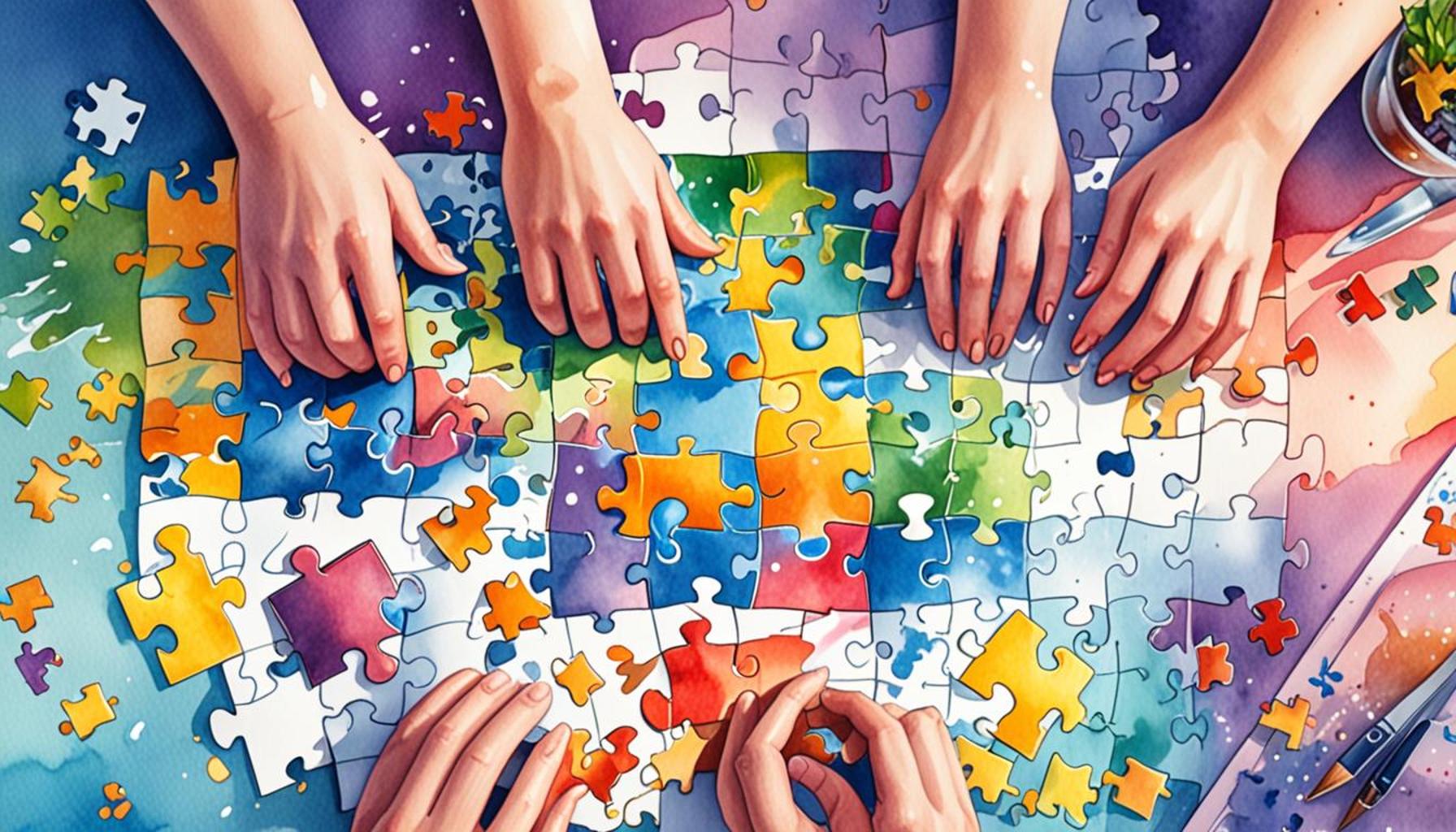
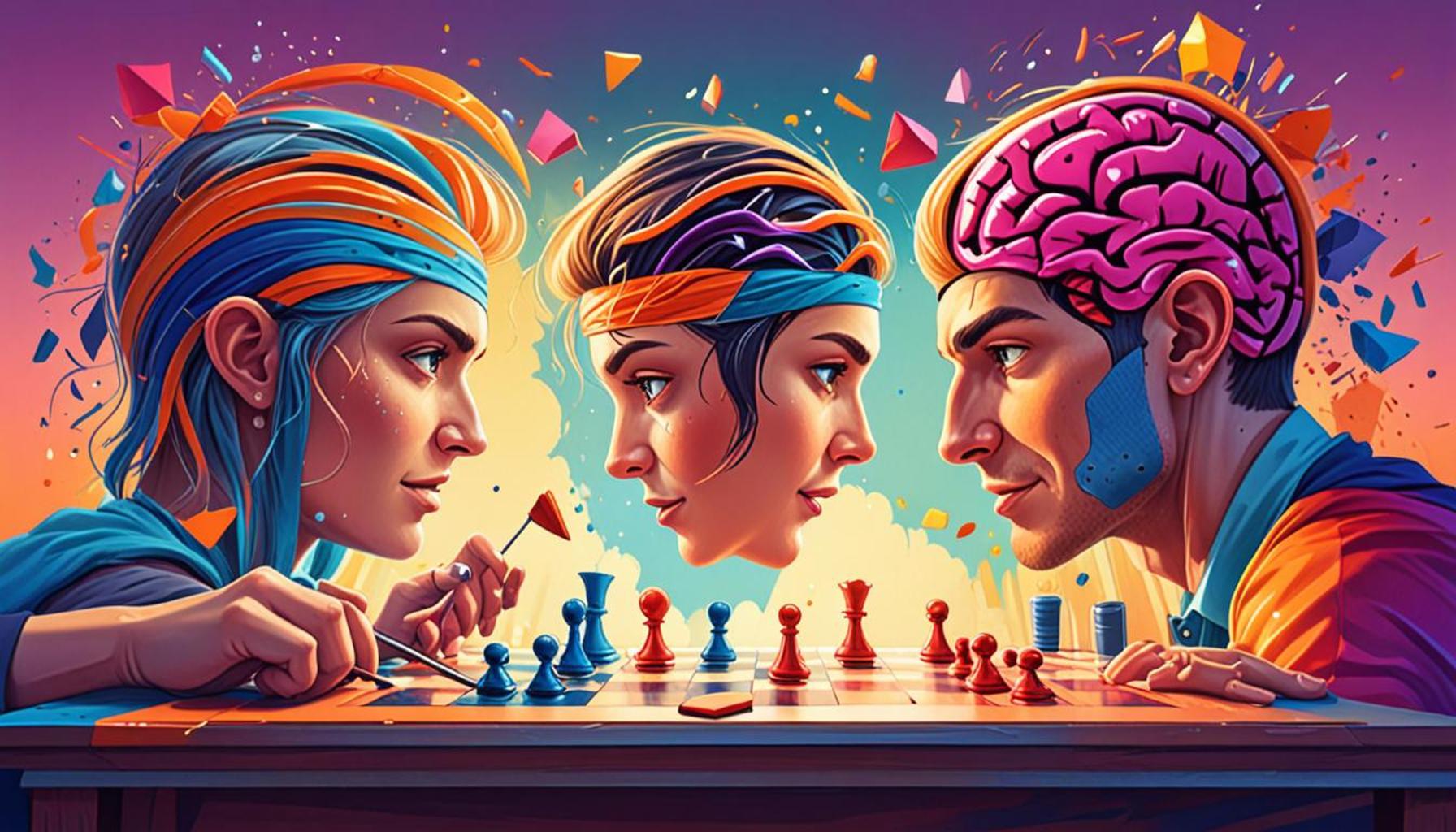
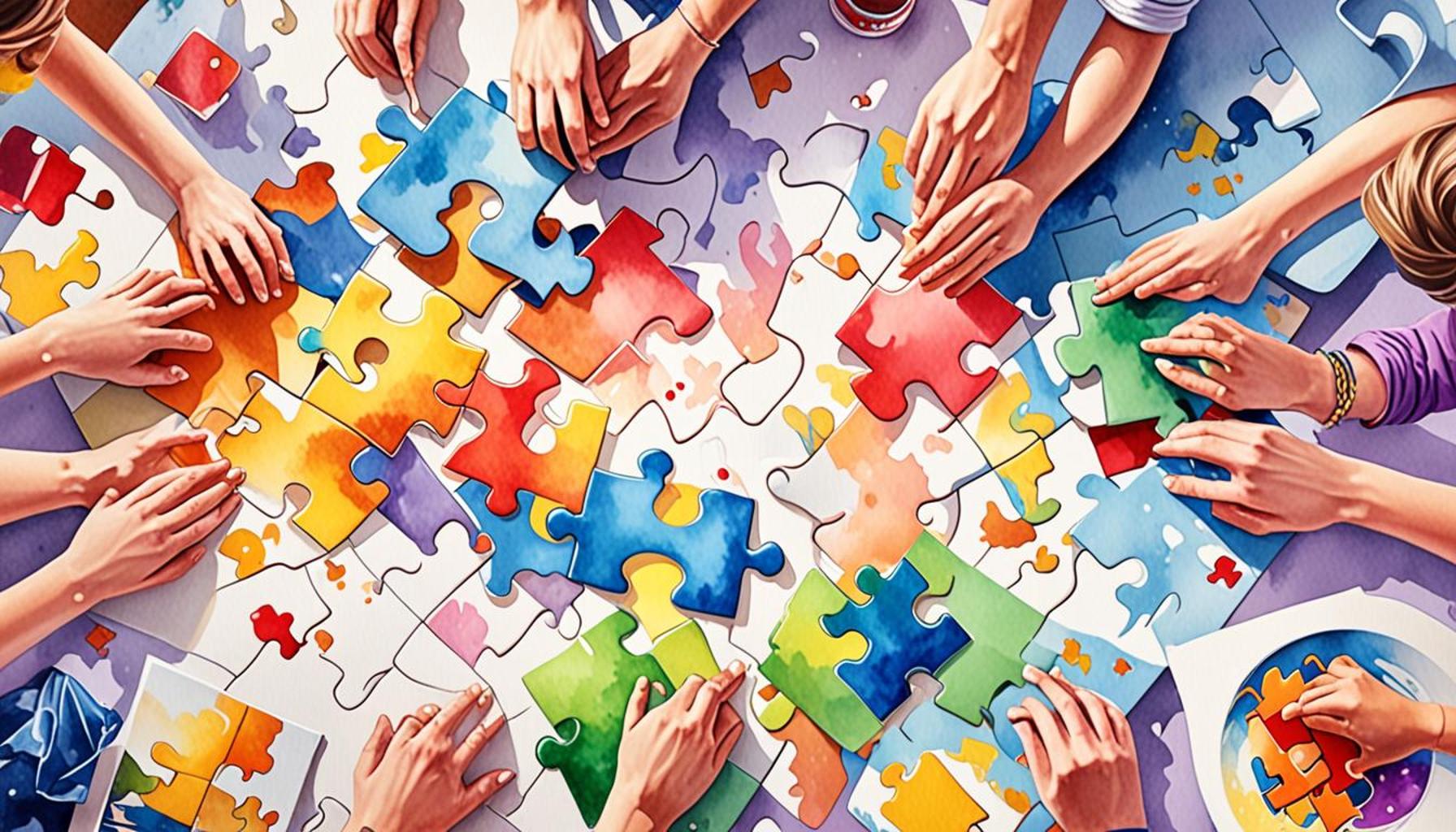
In today’s fast-paced and interconnected environment, individuals are often required to tackle complex problems that demand more than just individual effort. Collaborative puzzle solving serves as a testament to the notion that two (or more) heads are better than one. This method emphasizes the power of social interaction, highlighting how it can foster creativity, problem-solving skills, and innovative thinking.
One of the fundamental aspects of collaborative puzzle-solving is brainstorming. Group discussions can generate a wealth of ideas that may not have surfaced in solitary contemplation. For instance, in corporate settings, teams that engage in brainstorming sessions typically produce a variety of solutions to challenges, showcasing new perspectives influenced by diverse backgrounds and experiences. This diversity can be particularly beneficial in industries such as technology and design, where innovation is pivotal to success.
Another critical element is role distribution. Within collaborative settings, members often bring unique strengths and expertise to the table, allowing for a more efficient breakdown of tasks. For example, in a team of engineers working on a complex project, one member might excel in coding while another has a knack for visual design. By dividing responsibilities according to individual strengths, teams can work more effectively and meet deadlines with higher quality outputs.
The emotional aspect of teamwork cannot be ignored, as emotional support is a vital component of collaboration. Working with others naturally fosters a sense of camaraderie, standing in contrast to solitary endeavors which can be isolating. For instance, a group tackling a challenging puzzle together may face moments of frustration; however, the support and encouragement from teammates can enhance motivation and help maintain resilience. This social backing often translates into a more rigorous commitment to achieving a common goal, as team members feel invested not just in the task at hand but also in each other’s success.
Research backing the benefits of collaborative problem-solving consistently indicates that teams produce more innovative solutions compared to individuals working independently. A study by the American Psychological Association found that teams often outperformed solitary workers in creative tasks, underscoring the impact of social dynamics on problem-solving approaches and outcomes. Understanding how to harness these dynamics can unlock novel methodologies for optimizing collaboration across various fields, from academia to corporate environments.
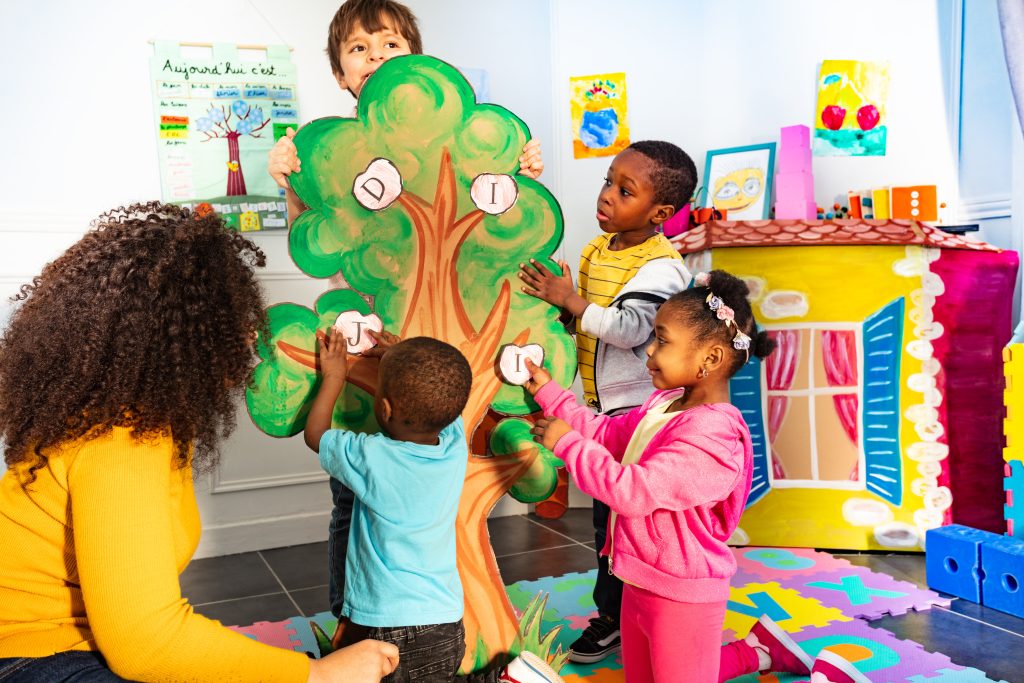
As we delve deeper into the relationship between social interaction and collaborative puzzle solving, it is essential to recognize that this phenomenon not only facilitates the solving of puzzles but also cultivates a sense of community and shared purpose among participants. Exploring these dynamics can lead to enhanced collaboration and innovation in many aspects of modern life.
DISCOVER MORE: Click here to learn how brain training games can boost your memory
The Importance of Social Dynamics in Puzzle Solving
When it comes to solving puzzles collaboratively, the fabric of social interaction plays a crucial role. This interaction not only enhances creativity but also encourages robust problem-solving methodologies among team members. At the heart of this process is the idea that the exchange of ideas, thoughts, and feelings can lead to breakthroughs that are often unattainable in isolation.
One pivotal factor in collaborative settings is communication. Effective communication ensures that every team member feels heard and valued, which in turn fosters an environment of trust and openness. Research has shown that teams with strong communication skills are more adept at navigating complex puzzles and generate innovative solutions. For example, a collaborative group working on a strategic marketing campaign might share varied insights based on their distinct experiences, ultimately leading to a campaign that resonates more powerfully with target audiences.
Furthermore, the dynamics of social interaction extend beyond verbal exchanges. Non-verbal cues, such as body language and facial expressions, can significantly impact collaborative puzzle solving. A nod of agreement or a supportive smile can reinforce team solidarity, encouraging individuals to contribute more actively. This intrinsic motivation often propels the team towards a shared goal, amplifying their collective efforts.
Key Elements Influencing Collaborative Problem Solving
Several key elements stand out when examining the role of social interaction in collaborative puzzle solving:
- Shared Goals: Having a unified vision not only aligns efforts but also instills a sense of ownership among team members. This shared purpose can create motivational synergy that drives the group to tackle complex challenges.
- Feedback Loops: Iterative feedback enables teams to refine their ideas and approaches. Regular check-ins and constructive criticism allow for continuous improvement, enhancing both individual and collective contributions.
- Conflict Resolution: Disagreements can arise during collaborative efforts; however, a healthy approach to conflict can lead to innovative outcomes. Navigating differing viewpoints fosters open dialogue, which often uncovers hidden insights and creative solutions.
- Cultural Diversity: Teams composed of members from diverse backgrounds can offer varied perspectives that enrich the problem-solving process. This diversity can spark novel ideas and inspire innovative approaches that may not have been considered in a more homogenous group.
By understanding and leveraging these elements, teams can significantly enhance their effectiveness in collaborative puzzle solving. Asynchronous communication tools, such as video conferencing and project management platforms, have also equipped teams to engage in collaboration regardless of their physical location. These technologies support continual social interaction, ensuring that teams remain cohesive even when working remotely.
Ultimately, the role of social interaction in collaborative puzzle solving cannot be overstated. It serves as the backbone of creativity, fostering environments where individuals feel empowered to contribute their ideas and skills towards a shared objective. As more organizations embrace team-oriented approaches, recognizing the significance of social dynamics will be essential for driving success in problem-solving endeavors.
In collaborative puzzle solving, social interaction plays an essential role in enhancing problem-solving efficiency and stimulating creativity. The synergy that emerges from teamwork allows individuals to pool their diverse skills, perspectives, and approaches, leading to innovative solutions that might not be possible in solitary efforts. This collaborative environment nurtures cognitive engagement, as individuals challenge each other’s thought processes and offer constructive feedback. Such interactions not only aid in deeper understanding but also foster a sense of community and shared accomplishment among participants.
Furthermore, the psychological impact of collaboration cannot be understated. Engaging in collective problem-solving activities can significantly enhance motivation and reduce the mental fatigue often associated with challenging puzzles. By communicating and interacting with others, participants experience a boost in morale, making the puzzling process more enjoyable and less daunting. The social aspect facilitates learning as team members share knowledge and strategies, creating a dynamic learning environment where everyone contributes and grows.
Additionally, the role of social interaction extends to building essential life skills such as communication, cooperation, and conflict resolution. As team members navigate their differences and learn to work towards a common goal, they develop valuable interpersonal skills that are applicable beyond puzzles and into various aspects of life. This dialogic process shapes not only the final outcome of collaborative projects but also the personal growth of each participant involved.
| Advantages | Impacts |
|---|---|
| Enhanced Creativity | Collaboration stimulates diverse ideas and perspectives |
| Improved Efficiency | Quicker problem-solving through shared knowledge |
| Increased Motivation | Supportive interactions promote enjoyment and engagement |
| Skill Development | Fosters communication and teamwork abilities |
DISCOVER MORE: Click here to enhance your understanding
Enhancing Problem Solving through Interactive Engagement
Beyond the foundational elements of social dynamics, there exists another layer of complexity regarding how social interaction can enhance collaborative puzzle solving. One particularly influential aspect is the role of brainstorming sessions. These sessions create a structured yet flexible environment where team members can freely share ideas without the fear of immediate judgment. The famous adage “there is no bad idea” often fosters a culture of inclusivity, allowing even the most unconventional thoughts to flourish. In practice, an organization like IDEO has successfully employed brainstorming techniques to design groundbreaking products by capitalizing on diverse team inputs, showcasing how collaborative sessions can yield astonishing results.
Moreover, role assignment can significantly impact collaboration. Teams that leverage the unique strengths and skill sets of individuals tend to operate more smoothly and efficiently. For instance, when assembling a team to solve an intricate logistical puzzle, having a designated planner organize the workflow and a creative thinker generate unexpected solutions can lead to superior outcomes. Collaborative platforms also enable transparency regarding role responsibilities, ensuring all members are clear on their contributions, thus maintaining accountability.
Technological Aids and Social Interaction
The rise of technology has introduced powerful tools that significantly enhance social interaction in collaborative environments. Online platforms like Google Workspace and Microsoft Teams facilitate real-time collaborations, allowing teams to communicate seamlessly regardless of geographical barriers. Features such as shared documents, instant messaging, and video conferencing provide vital channels for social interaction, helping to ensure that all voices are included in the decision-making process. Furthermore, these tools allow for asynchronous communication, meaning individuals can contribute to problem-solving activities on their own schedules, harnessing the power of introverted thinkers who prefer to gather their thoughts before sharing.
The effectiveness of social interaction in puzzle solving also extends to the realm of gamification. By incorporating game-like elements into problem-solving tasks, organizations can enhance engagement and motivate team members. For instance, using progress tracking and rewards can evoke a sense of achievement and camaraderie. Real-world applications such as escape room challenges in corporate team-building exercises leverage this concept, emphasizing teamwork through an enjoyable, interactive atmosphere while accomplishing shared goals.
A critical indicator of effective collaborative puzzle solving is the presence of a facilitator or moderator whose role is to guide discussions and encourage balanced participation. This individual ensures that quieter members have the opportunity to share their perspectives, while also steering the team away from tangents that may derail the focus. By managing the group’s dynamics, facilitators help maintain a conducive environment that promotes healthy debate and critical thinking.
Additionally, cognitive empathy—understanding and relating to the thoughts and emotions of fellow team members—plays a vital role in successful collaboration. Cultivating an environment where empathy thrives encourages individuals to actively listen and consider diverse viewpoints. This practice not only enriches the brainstorming process but also strengthens interpersonal bonds, further motivating team members to work towards a common objective.
As organizations continue to navigate the challenges of collaborative work, it becomes increasingly essential to prioritize the elements of social interaction as a central component of their puzzle-solving efforts. By understanding and effectively implementing these interactions, teams are not only equipped to overcome complexities but are also empowered to foster innovative solutions that may redefine their industries.
DISCOVER MORE: Click here to enhance your memory skills
Conclusion: The Intricacies of Social Interaction in Puzzle Solving
In the intricate world of collaborative puzzle solving, the role of social interaction emerges as a pivotal factor that can either propel teams to success or hinder their progress. As we’ve explored throughout this article, effective brainstorming sessions, thoughtful role assignments, and cutting-edge technological aids converge to create a rich tapestry of collaboration, encouraging diverse viewpoints and innovative thinking. The inclusion of gamification elements not only heightens engagement but transforms challenging problem-solving tasks into an enjoyable social endeavor, ultimately fostering stronger team dynamics.
Moreover, the presence of a skilled facilitator ensures that discussions are balanced and inclusive, nurturing the space for quieter voices while steering the group towards their goal. Coupled with cognitive empathy, this collective approach cultivates an environment where team members feel valued and understood, making them more likely to contribute their best ideas.
As we reflect on the growing complexities of modern-day collaboration, it becomes increasingly clear that prioritizing social interaction is not just beneficial but vital. Organizations aiming for innovation and coherence in their teamwork must invest in nurturing these interactions. By doing so, they unlock the potential for remarkable solutions that can redefine industries and set the stage for future advancements. Whether through the use of technology or forming strong interpersonal bonds, the power of collaboration continues to be an undisputed cornerstone of successful puzzle solving. As teams look towards the future, embracing the diverse elements of social interaction will undoubtedly lead them to new heights of creativity and problem-solving prowess.