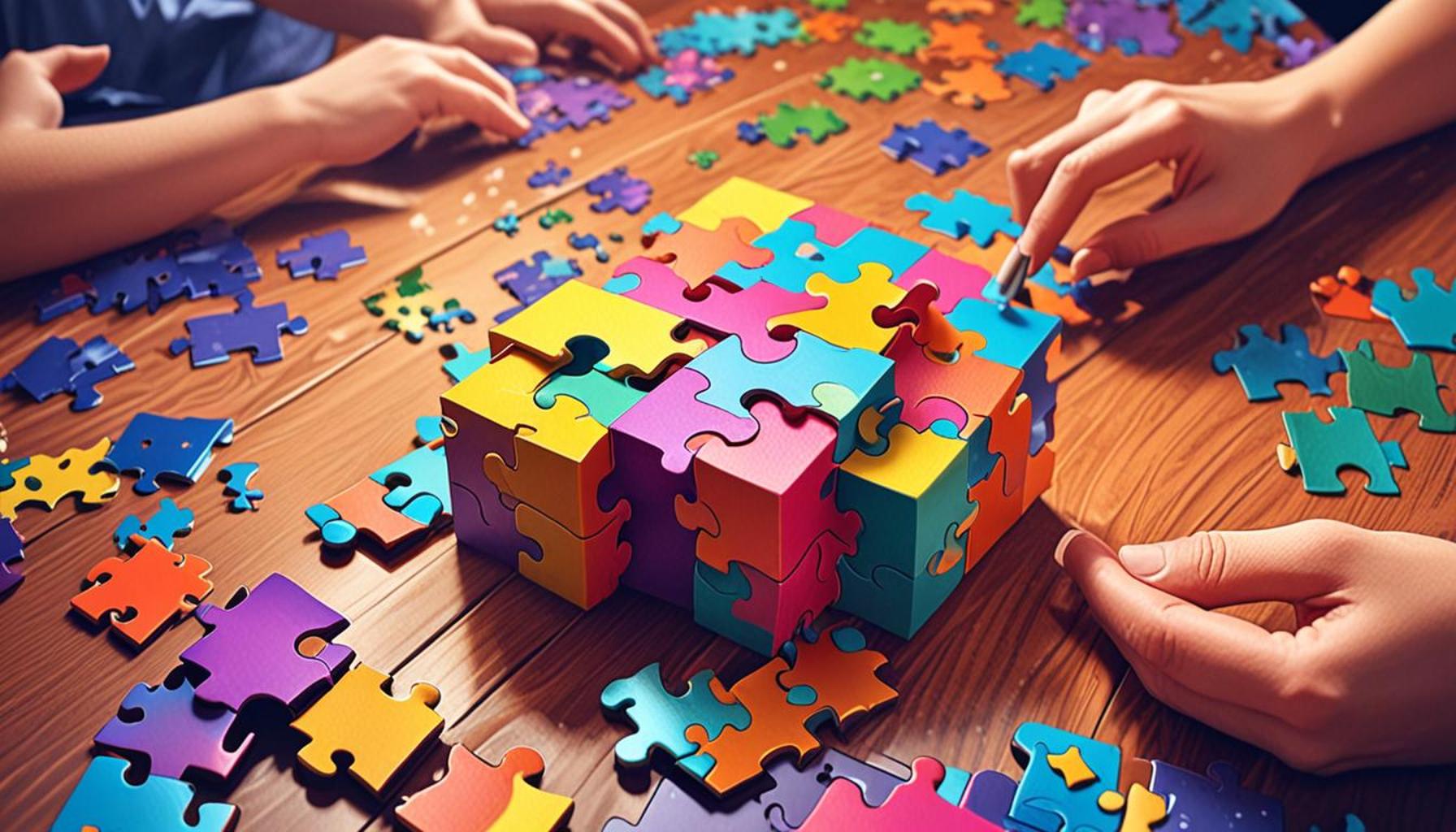
The Role of Mindfulness in Enhancing Memory Through Puzzle Engagement
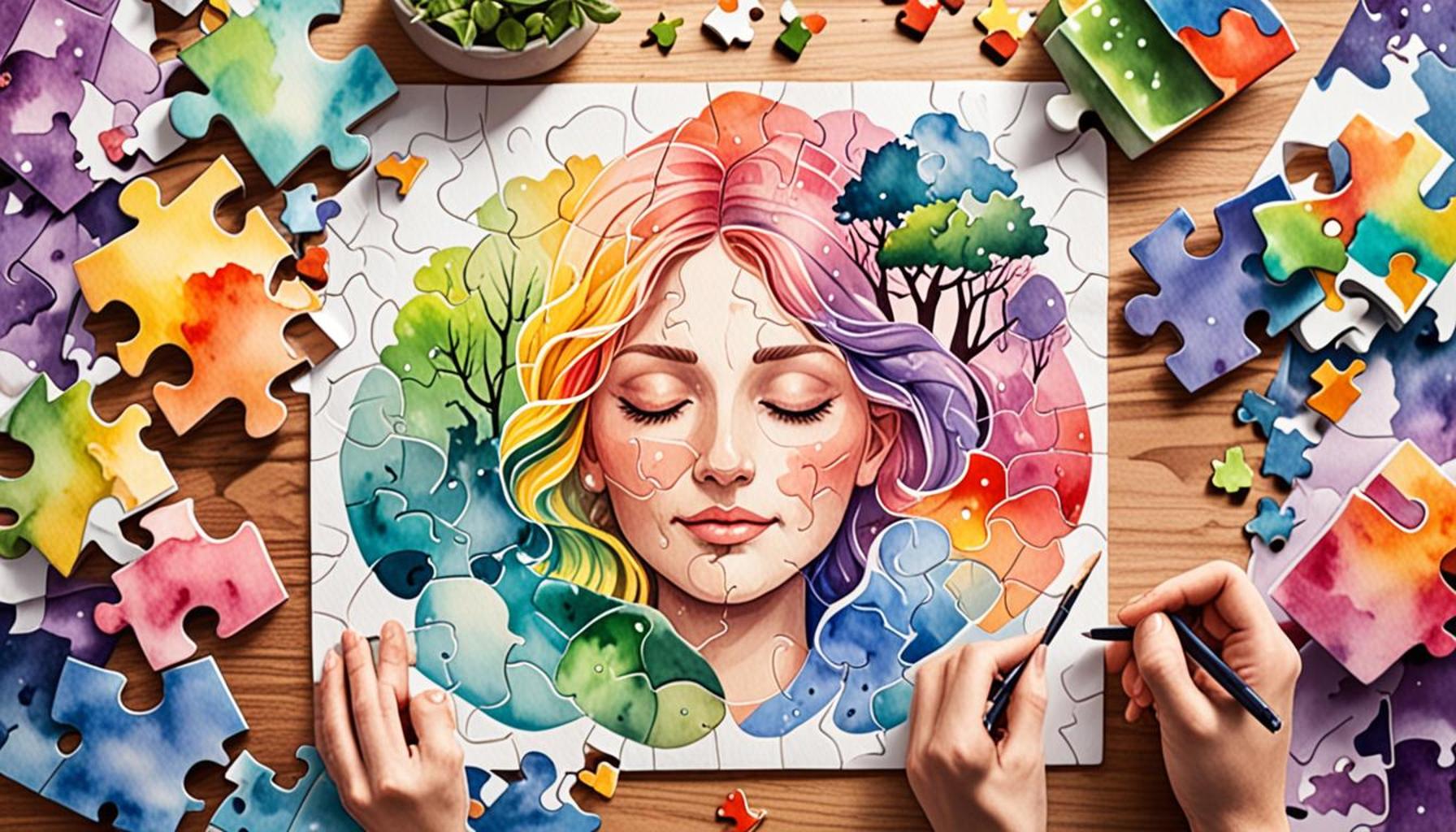
Understanding the Relationship Between Mindfulness and Memory
In an era where distractions abound, our ability to remember and focus can easily wane. Yet, recent findings indicate that integrating mindfulness with stimulating activities, such as puzzles, can serve as a dynamic tool for enhancing our cognitive faculties. This intersection not only provides innovative paths to personal growth but also supports our mental well-being.
Benefits of Mindfulness Practices
Mindfulness practices, including meditation and focused breathing exercises, are designed to bolster our concentration. Such techniques encourage us to tune into the present moment, thus diminishing the mental clutter that often interferes with effective puzzle solving. For example, before diving into a complex crossword puzzle, taking a few minutes to breathe deeply and clear the mind can significantly enhance focus and clarity, enabling individuals to tackle challenges with improved sharpness.
Puzzles as a Playful Medium for Mindfulness
Engaging in puzzles creates a playful and enjoyable context where mindfulness can be practiced. Whether it’s jigsaw puzzles, Sudoku, or logic-based games, these activities allow for the application of mindfulness principles. When immersed in a puzzle, participants naturally engage their attention, reinforcing the brain’s learning pathways. For instance, studies show that adults 50 and over who regularly engage in puzzles experience greater cognitive engagement and a lower risk of cognitive decline compared to their peers who do not.
Evidence of Cognitive Improvement
Regular involvement in puzzle activities has been linked to observable enhancements in short-term memory and cognitive flexibility. This means individuals can not only recall information better but adapt to new situations with greater ease. Research from the University of California demonstrates that individuals who exercise their problem-solving skills through puzzles perform better on memory tests compared to those who remain sedentary. This reveals that challenging our brains is just as important as physical exercise in maintaining overall health.
The Neurological Impact of Mindfulness
Beyond its role in stress reduction, mindfulness is scientifically proven to positively change brain structure and function. According to a study published in the journal Psychological Science, mindfulness practice can reinforce neural connections associated with memory retention, indicating that when we incorporate mindfulness into our daily routines, we actively enhance our ability to remember and learn. Moreover, by intertwining puzzles into these mindfulness routines, we foster greater commitment to our mental health activities, showcasing that cognitive exercises can be both beneficial and enjoyable.

Practical Strategies for Mindful Puzzle Engagement
To fully harness the potential of mindful puzzle engagement, consider adopting specific strategies. Begin by setting aside dedicated time each week to work on a puzzle, ensuring minimal distractions. Incorporate mindfulness techniques, such as breathing exercises or focused attention, before engaging with the puzzle. This will not only enhance your ability to concentrate but also transform the puzzle-solving experience into a meditative practice, offering both cognitive and emotional benefits.
Through this exploration, we uncover the powerful connections between mindfulness and memory enhancement. By adopting strategies that blend cognitive challenges with mindfulness, we can cultivate sharper memory capabilities and a more rewarding mental experience in our everyday lives. Let us embrace the puzzle of life with a mindful approach.
DISCOVER MORE: Click here to delve into the benefits of problem-solving
Exploring Mindfulness Techniques for Enhanced Focus
The practice of mindfulness extends beyond mere relaxation and stress reduction; it cultivates a state of awareness that is particularly effective when paired with cognitive tasks like puzzles. Techniques such as meditation, body scanning, and guided imagery have been shown to improve concentration and attention, which are vital for successful puzzle engagement. By employing these methods, individuals can clear their minds of distractions and open themselves up to deeper cognitive processes.
The Power of Deep Breathing
One of the simplest yet most effective mindfulness techniques is deep breathing. Prior to tackling a puzzle, taking a few minutes to focus on your breath can significantly enhance your mental clarity. Research indicates that deep breathing increases oxygen flow to the brain, promoting cognitive function and memory retention. As a preparatory step, inhale deeply through the nose, hold for a moment, and exhale slowly through the mouth. This practice not only calms the mind but also strengthens the focus required to approach puzzles with renewed vigor.
Structured Mindfulness Approaches
Incorporating structured mindfulness practices into your puzzle-solving sessions can yield substantial cognitive benefits. Consider these practical techniques:
- Set an Intention: Before starting a puzzle, set a clear intention for what you hope to achieve. This might be completing a specific section or simply enjoying the process.
- Use a Timer: Set a fixed amount of time for each puzzle session. This can help create a sense of urgency that enhances focus.
- Visualize Success: Spend a moment visualizing successfully completing the puzzle before you start. This mental rehearsal can boost confidence and motivation.
- Reflect Post-Puzzle: After finishing, take time to reflect on the experience. Consider what strategies were effective and how mindfulness contributed to your focus.
Mindfulness and Cognitive Flexibility
Cognitive flexibility, or the ability to adapt your thinking to new situations, is a vital skill in puzzle-solving. As studies suggest, individuals who practice mindfulness show improved cognitive flexibility, allowing them to approach puzzles with innovative solutions rather than becoming frustrated by obstacles. Mindful individuals are better equipped to navigate the unpredictable nature of puzzles—recognizing when to shift strategies or return to previous clues. This adaptability not only enhances puzzle performance but also translates into everyday problem-solving in life.
As we uncover the intricate layers of how mindfulness intertwines with cognitive engagement, it becomes evident that these strategies can offer more than just enhanced memory. They provide a holistic avenue for cultivating cognitive perseverance while making the art of puzzle-solving a rewarding and enriching experience.
The Science Behind Mindfulness and Memory
Engaging in mindfulness practices has been shown to enhance various cognitive functions, particularly memory. By promoting a state of awareness and presence, mindfulness facilitates better focus and concentration, crucial for solving puzzles. When individuals immerse themselves in puzzle engagement, they not only exercise their problem-solving skills but also enhance their ability to retain information.
Research supports the idea that the meditative aspects of mindfulness can lead to structural changes in the brain, boosting areas related to memory and emotional regulation. These changes are particularly beneficial when applied to cognitive tasks, such as puzzles, that require both active engagement and retention of new information.
Benefits of Puzzle Engagement
Puzzles, whether they be crosswords, sudoku, or jigsaw puzzles, serve as engaging activities that demand mental effort. This engagement allows individuals to practice mindfulness while also stimulating their memory faculties. Moreover, puzzle-solving often involves applying strategies and recalling information, both of which can significantly enhance memory retention.
Additionally, participating in puzzle activities can reduce stress and promote relaxation, further enhancing one’s ability to focus and remember. The combination of relaxation and cognitive challenge creates a potent environment for memory enhancement.
| Category | Advantages |
|---|---|
| Mindfulness Practice | Enhances focus and concentration |
| Puzzle Engagement | Stimulates cognitive function and memory retention |
Exploring Different Types of Puzzles
There are various types of puzzles that cater to different interests and skill levels. Understanding the nuances of each puzzle type can help individuals not only choose what resonates with them but also optimize their mindfulness practice. Activities such as word searches improve vocabulary retention, while logic puzzles aid in critical thinking.
Ultimately, engaging in a mix of puzzle activities can diversify cognitive challenges, making it easier to incorporate mindfulness seamlessly into daily routines. As you explore these unique forms of engagement, remember that the journey towards enhancing memory through mindfulness is a fulfilling one!
DISCOVER MORE: Click here to uncover the stress-relieving power of Sudoku
Unlocking Memory Potential Through Mindful Puzzle Engagement
Engagement with puzzles not only stimulates cognitive abilities but can also act as a conduit for enhancing memory through the consistent application of mindfulness. As practitioners harness the principles of mindfulness, they unlock a wealth of advantages that directly correlate with memory enhancement. Understanding the biological mechanisms driving these benefits can deepen our appreciation for mindful puzzle engagement.
The Neuroscience of Mindfulness and Memory
Scientific studies reveal that mindfulness can lead to structural changes in the brain, particularly in areas related to memory and cognition, such as the hippocampus. Research from institutions like Harvard indicates that regular mindfulness practice can increase the thickness of the prefrontal cortex, which plays a crucial role in complex cognitive behavior, decision-making, and moderating social behavior. These neural enhancements can foster improved working memory, vital for piecing together elements within a puzzle.
Emotional Regulation and Its Impact on Performance
Effective puzzle-solving often hinges on emotional regulation, another core tenet of mindfulness. When faced with challenging puzzles, frustration can easily set in, leading to mental blocks that inhibit memory recall. The capacity to manage emotions through mindfulness practices like mindful breathing or thought observation empowers individuals to remain calm under pressure, fostering a more conducive environment for memory retrieval. A study published in the journal Psychology of Sport and Exercise highlights how athletes, when trained in mindfulness, demonstrate better emotional control during critical moments, which can similarly apply to puzzle enthusiasts encountering tough challenges.
The Role of Positive Reinforcement
Incorporating mindfulness into puzzle engagement can also enhance motivation through positive reinforcement. Acknowledging small victories while completing a puzzle bolsters confidence and promotes the release of dopamine— a neurotransmitter linked to pleasure and reward. This is crucial, as positive emotions are shown to facilitate memory consolidation. For example, someone might take a moment to relish the satisfaction of fitting a particularly elusive piece, reinforcing their memory of connecting those two specific shapes in the future.
Building Community Through Mindful Engagement
Puzzles have traditionally been a solitary activity, but the rise of community puzzle-solving, often facilitated by mindfulness principles, is cultivating a new culture of shared experiences. Group mindfulness practices, like guided meditations before collaborative puzzle sessions, can enhance collective focus and memory retention. Engaging in puzzles within a community fosters social interaction, which has been shown to bolster overall cognitive health. Groups that emphasize mindfulness in their approaches report greater enjoyment and an improved ability to tackle challenges collectively, reinforcing that these experiences can be not only mentally engaging but also socially enriching.
As researchers continue to explore the intersection of mindfulness, memory, and cognitive tasks like puzzle-solving, it becomes increasingly clear that strategies learned through these pursuits can extend beyond the personal satisfaction of completing a puzzle. In a world filled with distractions and cognitive overload, the role of mindfulness emerges as a powerful tool to harness memory capacity while fostering a deeper appreciation for the art of puzzling, enhancing both individual enjoyment and collective engagement in this enduring pastime.
DISCOVER MORE: Click here to learn about social interaction in puzzle-solving
Conclusion: The Transformative Power of Mindfulness in Puzzle Engagement
In an era where mental agility is vital, the convergence of mindfulness and puzzle engagement presents an exciting opportunity to bolster memory retention and cognitive prowess. The practices that emphasize being present and aware significantly amplify our cognitive capabilities, offering notable advancements in memory recall and emotional management. As demonstrated, the scientific underpinnings reveal that mindfulness engages various neurological pathways, paving the way for enhanced brain structure and function.
The emotional regulation fostered through mindfulness allows puzzle enthusiasts to approach challenges with patience rather than frustration, leading to improved performance and memory retrieval. This psychological support encourages individuals not only to solve puzzles more effectively but also to savor the process, transforming a simple activity into a fulfilling experience. Furthermore, the aspect of positive reinforcement plays a crucial role in motivating individuals, as acknowledging small achievements can enhance overall enjoyment and cognitive retention.
Moreover, the shift towards community-based puzzle-solving brings a fresh dynamic, emphasizing teamwork and collaboration. This social component not only enriches the experience but also highlights the therapeutic benefits of engaging with others, ultimately forming a sense of belonging that has been shown to strengthen cognitive health.
As the field of cognitive science evolves, the role of mindfulness in enhancing memory through puzzle engagement warrants continued exploration. By integrating mindfulness into our daily puzzle exercises, we unlock deeper cognitive benefits while cultivating a rewarding and connected experience. Engaging with puzzles mindfully allows us to appreciate not just the challenge, but the art of puzzling itself, making every piece a bridge to better memory and mental clarity.