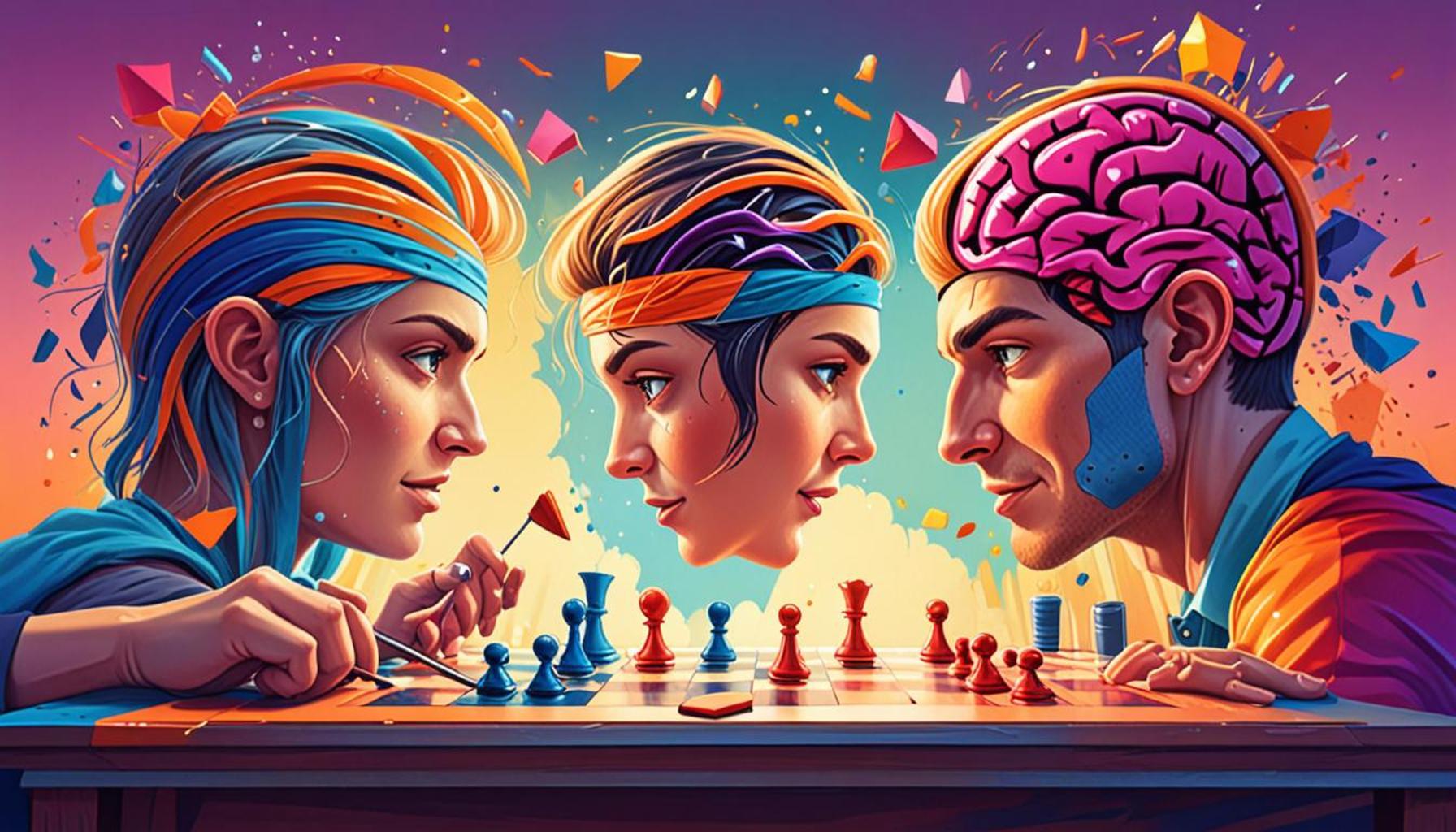
The Psychology Behind Board Games as a Tool for Social Interaction
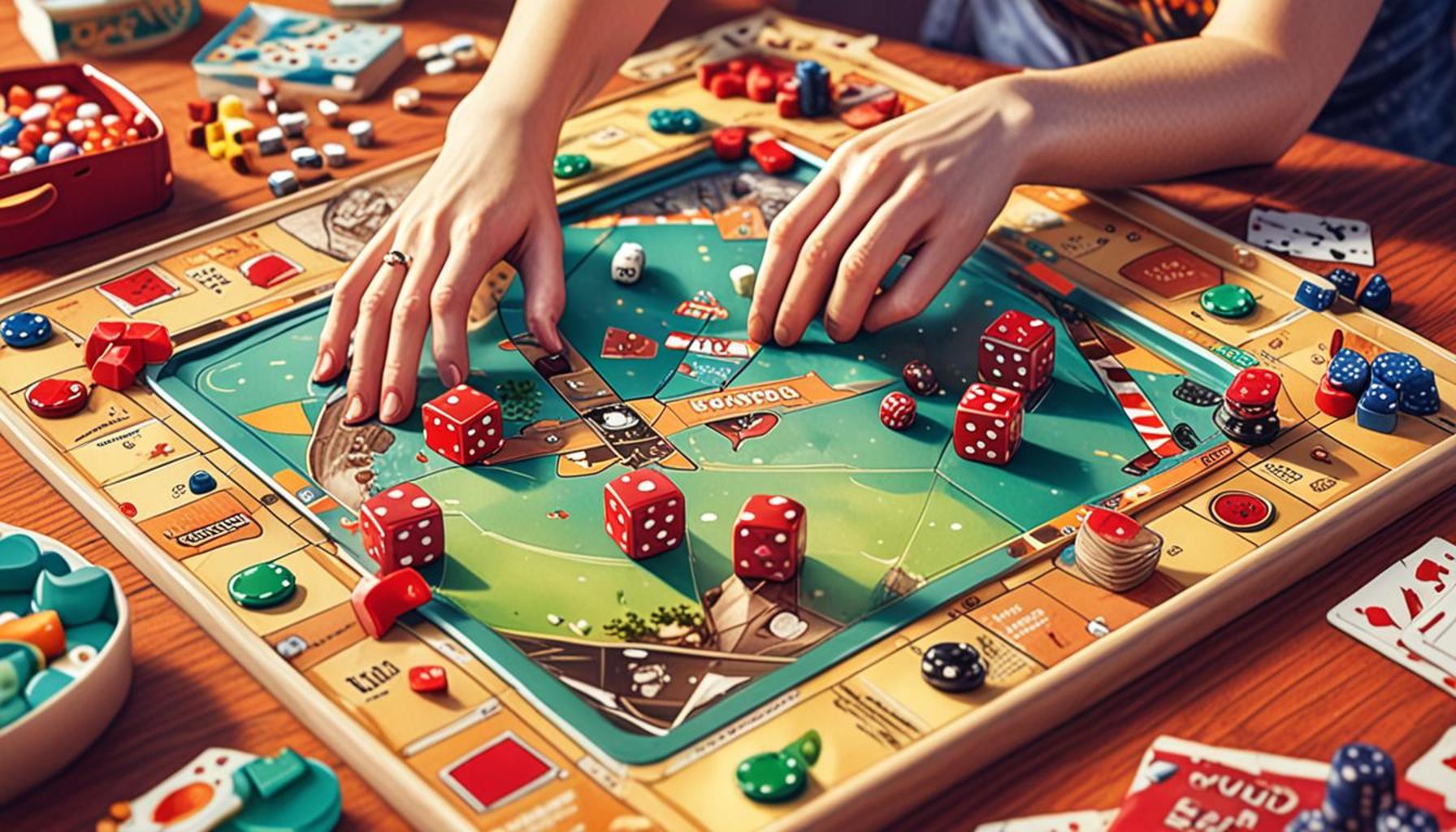
Exploring the Connections Created by Board Games
In an era where digital interactions often overshadow face-to-face communication, board games have become a refreshing alternative for developing personal connections. These games do more than just entertain; they provide a unique lens through which we can better understand human dynamics and social interactions. The strategic elements, cooperation demands, and friendly competition inherent in board games make them exceptional tools for fostering deeper social engagement.
To better understand their impact, let’s delve into specific ways board games enhance social interaction:
- Communication Skills: Board games are designed to stimulate dialogue. Players must discuss strategies, negotiate trades, and articulate their decisions, which significantly enhances their verbal and non-verbal communication skills. For example, games like “Catan” encourage players to negotiate resources, requiring clear communication and active listening.
- Team Building: Many modern board games emphasize teamwork. Titles such as “Pandemic” require players to collaborate closely to achieve a common goal, thus fostering trust and cooperation. This shared objective can help build strong bonds and camaraderie among players, reinforcing the idea that success is often a team effort.
- Conflict Resolution: Board games often present scenarios where negotiation and conflict arise. Learning to navigate these disputes can teach players valuable skills in conflict resolution. Games like “Risk” or “Diplomacy” force players to deal with alliances and betrayals, promoting an understanding of how to engage constructively in conflicts and recognize differing viewpoints.
These elements illustrate how board games can be beneficial in diverse settings—from family gatherings and game nights to classrooms and corporate team-building exercises. The relaxed and often jovial atmosphere that games create encourages participants to open up and share experiences. In environments where traditional forms of communication may feel stifled, board games act as social lubricants, effectively bridging gaps and fostering connections.
Moreover, research indicates that shared recreational activities, such as playing board games, can enhance relationships and improve social cohesion. For instance, a study highlighted that families who engage in regular game nights report improved communication and stronger relationships among members. This demonstrates the enduring relevance of board games as a means to cultivate meaningful interactions.
As we continue to explore the psychology behind board games, it becomes clear that they are not mere distractions. They are vital connectors that can reshape our interactions and enhance our social fabric. The recurrent return to board gaming, particularly in an age dominated by screens, reflects a timeless desire for human connection, making this exploration both pertinent and enlightening.
DON’T MISS OUT: Click here to discover more
The Social Dynamics Fostered Through Gameplay
As players gather around a table, setting the stage for a game night, they are not merely engaging in recreational fun; they are also embarking on a psychological journey that can reveal much about interpersonal relationships. The nature of board games involves complex social dynamics that encourage players to engage in critical thinking, strategizing, and emotional expressiveness. These interactions often unfold through both overt actions and subtle signals that are integral to human communication.
One of the primary psychological benefits of board games stems from the way they invoke a sense of belonging and community. Games provide a platform for interaction that feels both structured and uninhibited, thus helping participants to lower their social anxiety. Research has shown that engaging in shared activities, such as board gaming, can increase feelings of connectedness, which, in turn, enhances our overall well-being. This is particularly important in a world where isolation can be prevalent, especially among younger generations often glued to screens.
Furthermore, the design of many contemporary board games incorporates elements that encourage players to embrace vulnerability and openness as they navigate challenges. For instance, games such as “The Resistance” or “Werewolf” require players to bluff, deceive, and decipher the intentions of others, which can lead to heightened emotional exchanges and strengthen the group’s bonds. The crucial element of trust explicitly surfaces in these scenarios, illustrating how mutual reliance and the potential for betrayal can make relationships richer and more nuanced.
Here are several psychological aspects that contribute to the effectiveness of board games as social tools:
- Shared Goals: Many games require players to work towards a common objective, which fosters unity and collaboration. This teamwork can mimic real-life social structures, helping players practice essential social skills.
- Emotional Engagement: Board games often evoke a range of emotions ranging from excitement to frustration, providing players with the opportunity to express feelings openly and to empathize with others’ experiences. This often leads to deeper conversations about emotions in a safe environment.
- Game Mechanics: The rules and objectives of board games can dictate how players interact. Strategic planning and chance-based dynamics often elicit reactions and tactics that reveal players’ identities and social styles, allowing participants to better understand each other.
The profound impact of board games on social behavior extends beyond casual play; educators and therapists are increasingly recognizing their potential in structured settings. For example, in classrooms, educators use games to teach collaboration and conflict resolution, promoting a positive learning environment. Likewise, therapists utilize games in group settings to facilitate conversations and build rapport among participants, proving that the intersection of psychology and board gaming can yield significant benefits.
As we dive deeper into this exploration, it becomes increasingly evident that board games are far more than just a pastime; they are powerful instruments of social connection, providing valuable insights into the psychology of human interaction. This understanding not only enriches our experiences as players but also sheds light on the very nature of our relationships in a modern digital age.
| Category | Description |
|---|---|
| Cognitive Development | Board games enhance strategic thinking and problem-solving skills. |
| Enhanced Communication | Players engage in conversations, fostering connections and improving social skills. |
| Stress Relief | Playing games provides an escape from daily pressures, promoting well-being. |
| Team Collaboration | Many games require players to work together, enhancing teamwork skills. |
The impact of board games on cognitive development is significant, as they challenge players to engage in strategic thinking and critical decision-making. Research shows that these activities can help improve concentration and analytical abilities. Board games can also enhance communication, as they require players to articulate thoughts and strategies, thereby fostering stronger social connections and networks.Moreover, the inherent competition and cooperation during gameplay provide a unique environment for engaging with others. This setting is not only welcoming but also therapeutic, as studies indicate that games can be an effective method for stress relief, offering players an enjoyable distraction from life’s challenges. Just as crucially, many board games encourage teamwork, teaching players the importance of collaboration and shared goals within a group dynamic. These distinctive psychological benefits of board games create pathways for healthier social interaction, urging readers to explore how such simple tools can forge deep connections among participants, as backed by the principles of social psychology.
DISCOVER MORE: Click here to delve deeper into the psychology of problem-solving
The Role of Competition and Cooperation in Building Relationships
Another essential psychological aspect of board games lies in their ability to strike a balance between competition and cooperation. This dual dynamic establishes a unique breeding ground for social interaction that can both challenge and cement relationships among players. In many games, participants are tasked with competing against one another to achieve individual goals, while simultaneously needing to forge alliances for mutual benefit. This interplay helps players navigate their social instincts and develop critical diplomatic skills.
For example, games like “Settlers of Catan,” require individuals to negotiate trades and collaborate to build settlements, thus enhancing the player’s ability to engage in effective communication and resource management. Such interactions not only encourage players to articulate their thoughts and ideas but also to actively listen to others. The psychological thrill of competition often provokes spirited discussions, revealing underlying motivations and personal values. When players navigate these competitive waters, they gain insight into fellow players’ personalities, which can strengthen social bonds after the final scores are tallied.
Interestingly, research in social psychology suggests that friendly competition can lead to increased group cohesion. A study published in the “Journal of Personality and Social Psychology” demonstrated that individuals who experience moderate competition are more likely to cooperate in subsequent tasks, leading to enhanced relationships among participants. This aligns perfectly with the way many board games are designed; as players vie for victory, they inadvertently learn how to back each other up in times of need, fostering a sense of mutual respect.
Moreover, board games provide a context where losses can be valuable learning experiences. Losing a game often prompts players to engage in self-reflection and social learning, which can enhance emotional intelligence. By analyzing their performance in lighthearted situations, players cultivate the ability to handle disappointment and gracefully acknowledge their opponents’ successes. This not only helps to normalize failure but also encourages resilience, a crucial skill in any social environment.
The influence of board games on relationships extends beyond the immediate benefits of interaction. The shared memories created during gameplay can forge lasting connections among friends and family. For instance, annual game nights, akin to rituals, can strengthen family ties while creating a repository of shared experiences. Each game becomes a chapter in an ongoing narrative, reinforcing family values and cultural significance. This is particularly relevant in the American context, where gathering around the table embodies the spirit of connection commonly associated with holidays and family celebrations.
Moreover, the use of board games as social tools has transcended traditional family and friend groups, finding a place in community centers, therapy sessions, and schools. As educators leverage playful interaction to teach complex subjects—such as mathematics or language arts—they promote not only cognitive development but also interpersonal skills. Community leaders harness the bonding power of gaming to address social issues and foster unity in diverse groups. These applications highlight how the psychology of board games can extend far beyond leisure, impacting broader societal dynamics.
In summary, the competition and cooperation embedded in board games offer a fertile ground for forging deeper interpersonal relationships while simultaneously enhancing emotional and social intelligence. By examining how games structure interactions, we uncover a rich tapestry of human psychology, interwoven with connections that resonate beyond the table and into everyday life.
DIVE DEEPER: Click here to discover more
Conclusion: The Lasting Impact of Board Games on Social Connections
In weaving together the elements of competition, cooperation, and shared experiences, board games emerge as a powerful tool for fostering social interaction and enhancing relationships. As demonstrated throughout this article, the psychology behind board games reveals their potential not just to entertain but to cultivate essential social skills and emotional intelligence among players. The unique dynamics of negotiation, strategy, and teamwork inherent in gameplay create opportunities for individuals to develop deeper connections and greater understanding of one another’s motivations and values.
Moreover, the significance of board games extends beyond the immediacy of the game itself. They serve as vessels for creating treasured memories with friends and family while simultaneously reinforcing social bonds that can stand the test of time. The communal aspects often manifest in regular game nights or casual gatherings, which become a ritualistic celebration of friendship, laughter, and shared achievement. This ritual further strengthens ties within various social groups, providing a safe and enjoyable environment to navigate interpersonal dynamics.
As board games increasingly gain traction in educational and community settings, the evidence is clear: they are more than mere pastimes. They promote key life skills such as collaboration, critical thinking, and resilience in the face of challenges. By harnessing the engaging nature of board games, educators and community leaders are paving the way for enriched social cohesion and positive engagement across diverse groups.
Ultimately, as we continue to explore the intricate tapestry of human relationships, it becomes evident that the humble board game is a valuable ally. From families to community centers, these games hold the potential to inspire genuine connection and understanding—a testament to their enduring role in shaping our social fabric.