
The Influence of Digital Mind Games on Memory Enhancement Across Different Age Groups
Unlocking the Power of Digital Mind Games
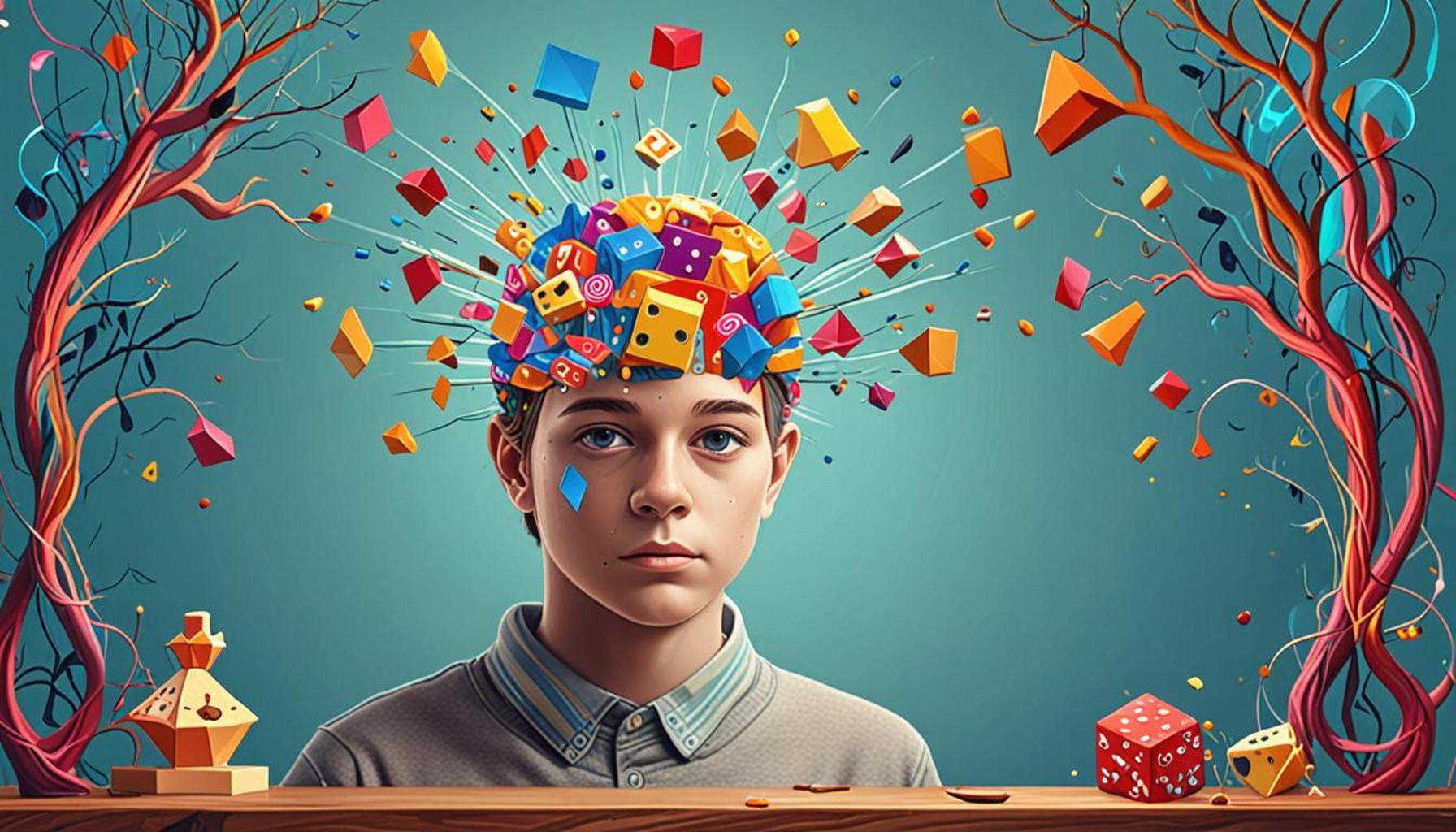
As technology rapidly advances, the intersection of gaming and cognitive enhancement becomes increasingly fascinating. Digital mind games are not only entertaining but also geared toward improving memory across various age groups. These engaging platforms utilize different cognitive challenges designed to stimulate brain function and enhance mental agility.
Benefits of Digital Mind Games
The allure of digital mind games lies in their capacity to offer numerous benefits to users across diverse demographics. Engaging in these games can lead to significant improvements in various cognitive areas. Here are some notable benefits:
- Cognitive Flexibility: This refers to the brain’s ability to switch between thinking about different concepts. By playing mind games, users can train their brains to adapt to new situations more efficiently, essential in both personal and professional settings. For example, strategic games like chess or puzzles enhance players’ capacity to consider multiple perspectives simultaneously.
- Memory Retention: Digital mind games can enhance both short-term and long-term memory skills. Games designed with memory exercises—such as matching pairs or recalling sequences—help users strengthen their memory pathways. Research indicates that consistent engagement with these games can lead to noticeable improvements in recall ability, which can be beneficial in academic and everyday contexts.
- Problem-Solving Skills: The strategic nature of many digital mind games encourages users to develop effective problem-solving strategies. Games that require players to navigate complex scenarios or solve intricate problems promote critical thinking and enhance decision-making abilities. This is particularly useful in high-pressure workplace environments where quick, effective decisions can yield significant results.
These outcomes aren’t limited to one age group; the effects of digital mind games span from children to seniors. With options tailored for various skill levels, anyone can find a game that fits their needs. This inclusivity makes digital mind games an ideal tool for cognitive enhancement across the life span.
The Age Factor
Interestingly, research shows that the impact of these games varies significantly among different ages. For instance:
- Children: Often benefit from enhanced memory and attention skills, which can aid their academic performance. Games designed to improve task-switching abilities help them focus better during lessons and homework.
- Adults: Experience improved cognitive speed and retention rates. As work requires faster processing of information, digital mind games can serve as effective training devices to maintain and boost mental sharpness.
- Seniors: May see a slowdown in cognitive decline and better memory recall. Engaging in memory games has shown promise in keeping the mind active, which is essential for long-term brain health. Platforms like Lumosity have been particularly popular among older adults seeking to preserve their mental faculties.
In this exploration, we’ll delve deeper into how these games influence memory enhancement, revealing insights that can enrich our understanding of mental wellness. Whether one is a child, an adult pursuing a professional career, or a senior aiming to maintain cognitive vitality, the advantages of digital mind games provide a compelling reason to integrate them into daily routines. Further investigation into specific games and their methodologies can yield even more personalized benefits, inviting users to discover the right fit for their cognitive developmental journey.
DIVE DEEPER: Click here to unlock the secrets of social bonding
Understanding the Mechanics of Memory Enhancement
The mechanisms through which digital mind games enhance memory are as fascinating as the effects themselves. By harnessing the brain’s neuroplasticity—the ability to reorganize itself by forming new neural connections—these games offer a unique approach to cognitive training. Digital platforms often embed scientific principles of learning and memory retention into their design, creating an environment conducive to brain enhancement.
Digital Mind Games in Action
The various game types available today cater to distinct cognitive skills, allowing users to engage in focused practice that aligns with their memory enhancement goals. Here are some common types of digital mind games and how they serve to boost memory:
- Memory Matching Games: These games challenge players to find pairs of matching items within a limited number of moves or time. By requiring players to remember where specific items are located, these games promote short-term memory improvement, a fundamental skill that benefits users of all ages.
- Sequence Recall Games: Players are prompted to remember increasingly long sequences of numbers, letters, or shapes. This format enhances both working memory and attention span, making it particularly beneficial for children learning to focus and adults looking to sharpen their multitasking skills.
- Spatial Awareness Games: Games that involve navigating mazes or solving puzzles can enhance spatial memory. This type of cognition is important not only for everyday tasks but also in professions like architecture and engineering, which require mental mapping skills.
- Word Games: Engaging with vocabulary-building games can bolster verbal memory by encouraging the recall of words and their meanings. In older adults, such activities are associated with mitigating cognitive decline and improving communication skills.
These games are designed not only for entertainment but also for enhancing user engagement. Features like progress tracking and adaptive difficulty levels ensure that individuals remain challenged while building their skills progressively. For children, this leads to enhanced academic performance, while adults often find these games serve as effective mental gymnasiums to counteract the cognitive fatigue of daily work.
Research Backing the Benefits
Numerous studies have corroborated the efficacy of digital mind games in enhancing memory. A comprehensive study published in the journal Neuropsychology found that participants engaging in cognitive training through digital platforms showed marked improvement in memory tasks compared to those who did not partake in such activities. The results suggest that consistent gameplay not only enhances recall abilities but also fosters cognitive resilience, a vital component in battling age-related declines in mental acuity.
Moreover, research indicates that younger users benefit from improved academic performance through active engagement in memory games, while older users experience a protective effect against cognitive decline. The cross-demographic appeal of these games underscores their potential as an accessible tool for cognitive enhancement throughout the lifespan.
In the ensuing sections, we will analyze specific case studies exploring how various age groups interact with and benefit from digital mind games in their unique contexts. Understanding these interactions can shed light on practical applications and methods for integrating these games into daily routines to optimize memory function.
The Science Behind Digital Mind Games
Digital mind games have emerged as a powerful tool for enhancing memory, benefiting individuals across various age groups. These games harness the principles of cognitive psychology to challenge the brain, prompting it to develop and adapt, regardless of the player’s age. Research shows that engaging in cognitive training activities can lead to significant improvements in memory-related tasks. A study published in the journal *Psychological Science* found that elderly participants who practiced regularly with memory-enhancing games experienced better retention of information and skilled performance in daily tasks.Digital games designed for cognitive growth typically incorporate aspects such as pattern recognition, problem-solving, and memory challenges. This multifaceted approach not only addresses immediate memory improvement but also fosters overall cognitive resilience. For young adults, these games can provide a competitive edge in both academics and the workplace by enhancing attention span, information recall, and quick decision-making—a phenomenon referred to as neuroplasticity.Furthermore, youths and seniors alike can benefit from tailored gaming experiences that suit their learning and cognitive styles. Various platforms now offer customized levels of difficulty, ensuring that players can progress at their own pace. This adaptive nature of digital mind games keeps participants engaged and motivated, making it easier for them to incorporate mental exercises into their daily routines.The implications of memory enhancement through digital gaming are vast. For the aging population, improved memory can translate to greater independence and quality of life, while for younger gamers, the ability to absorb and retain information efficiently can open doors to new opportunities. Overall, digital mind games represent an innovative intersection of technology and cognitive health, paving the way for a future where memory enhancement is accessible to all age groups.
| Age Group | Memory Enhancement Benefits |
|---|---|
| Children | Enhanced problem-solving skills and improved information retention through engaging gameplay. |
| Seniors | Stronger recall of everyday tasks and improved cognitive abilities; leads to more independence. |
Thus, digital mind games are not just a source of entertainment but are recognized as critical instruments for cognitive development across different age groups, igniting curiosity for further exploration into the science behind their effectiveness.
DISCOVER MORE: Click here to learn how mind games can boost problem-solving skills
Age-Specific Benefits of Digital Mind Games
The advantages of digital mind games for memory enhancement are not uniform; they vary remarkably across different age groups. As our cognitive abilities evolve from childhood through adulthood and into our golden years, the impact of these games shifts according to developmental stages. Understanding this age-specific influence helps tailor cognitive training strategies suitable for maximizing memory enhancement effectively.
Children: Early Benefits and Academic Growth
For children, digital mind games play an essential role in fostering fundamental cognitive skills. Research indicates that when children engage in memory-enhancing games, they exhibit substantial improvements in attention span, problem-solving skills, and overall academic performance. Games that challenge their memory can stimulate neural pathways critical for learning, making the brain more adaptable.
One poignant example involves children using platforms like Lumosity, which offers games targeting memory and attention. Studies have shown that regular engagement with such activities correlates with higher grades in subjects that rely heavily on memorization, such as mathematics and language arts. As a result, these digital experiences encourage not only cognitive development but also a love for learning that can carry into adulthood.
Young Adults: Sharpening Cognitive Resilience
For young adults in high-pressure academic or professional environments, cognitive decline may seem far off. However, consistent practice with digital mind games can enhance executive functions, such as decision-making and planning—all vital skills in fast-paced work settings. Games that focus on strategy and memory recall can strengthen mental pathways and bolster efficiency as individuals juggle multiple responsibilities.
Recent findings in cognitive psychology suggest that engaging in digital mind games can be an effective strategy for young adults seeking to maintain cognitive sharpness. With fast-paced careers demanding quick thinking, games that promote mental agility may provide an edge. An example of this can be seen in app-driven platforms designed for workplace scenarios where users must remember complex information on products or clients under pressure.
Older Adults: Combatting Cognitive Decline
In older adults, the importance of digital mind games takes on a life-altering dimension. As people age, they typically experience declines in memory and cognitive flexibility. Engaging with tailored digital mind games not only becomes a fun pastime but also serves as an effective intervention against cognitive decline. Studies reveal that older adults who regularly participate in memory-enhancing games show a significantly reduced risk of developing conditions such as dementia and Alzheimer’s disease.
The majority of these games also incorporate social components, connecting older adults with peers and providing essential social interaction, which is equally critical for memory retention and cognitive health. For instance, platforms like Brain Age offer exercises designed to maintain mental fitness while promoting community through multiplayer options. This suggests that not only the act of playing but the engagement with fellow users greatly enriches their experience and effectiveness.
Future Directions: Customizing Cognitive Training
The future of digital mind games lies in their ability to adapt to individual user profiles, considering age, cognitive abilities, and specific memory enhancement goals. With advancements in artificial intelligence, developers can create responsive games that evolve with the user, ensuring continuous challenge and engagement tailored to individual needs.
From children aiming to boost their academic performance to older adults seeking to sharpen memory and stave off cognitive decline, the adaptable nature of digital mind games resonates across generations. The transformative potential of these games in enhancing memory cultivates a culture of holistic cognitive care, propelling lifelong learning and mental health into the digital age.
DIVE DEEPER: Click here to discover how puzzle-solving enhances brain development
Conclusion: A Path to Cognitive Wellness Across Generations
As we navigate an increasingly digital world, the influence of digital mind games on memory enhancement cannot be understated. This evolution transcends mere entertainment; it offers a transformative tool for cognitive development tailored to all age groups. From children reaping early academic benefits through improved attention spans to young adults enhancing executive functions in demanding environments, the spectrum of advantages is broad and impactful.
Importantly, these games serve as a lifeline for older adults confronting cognitive decline. Engaging with tailored memory-enhancing activities not only aids in preventing conditions like dementia but also fosters valuable social connections. As studies continue to highlight the associations between gameplay and cognitive retention, it becomes clear that these digital platforms play a significant role in promoting cognitive health at all life stages.
Looking ahead, the future of memory enhancement lies in personalized cognitive training, driven by advancements in artificial intelligence. As developers create games that adapt to individual profiles and challenges, the potential for effective memory enhancement expands exponentially. The adaptability of digital mind games ensures that as users evolve, so too do their cognitive training tools.
In summary, embracing digital mind games fosters a culture of ongoing learning and cognitive care that spans generations, enriching lives while supporting mental agility. In a society where mental wellness is increasingly prioritized, these games provide an exciting avenue for enhancing memory and cognitive abilities that deserves further exploration and integration into educational and health frameworks.