
The importance of puzzles in the development of cognitive skills in children
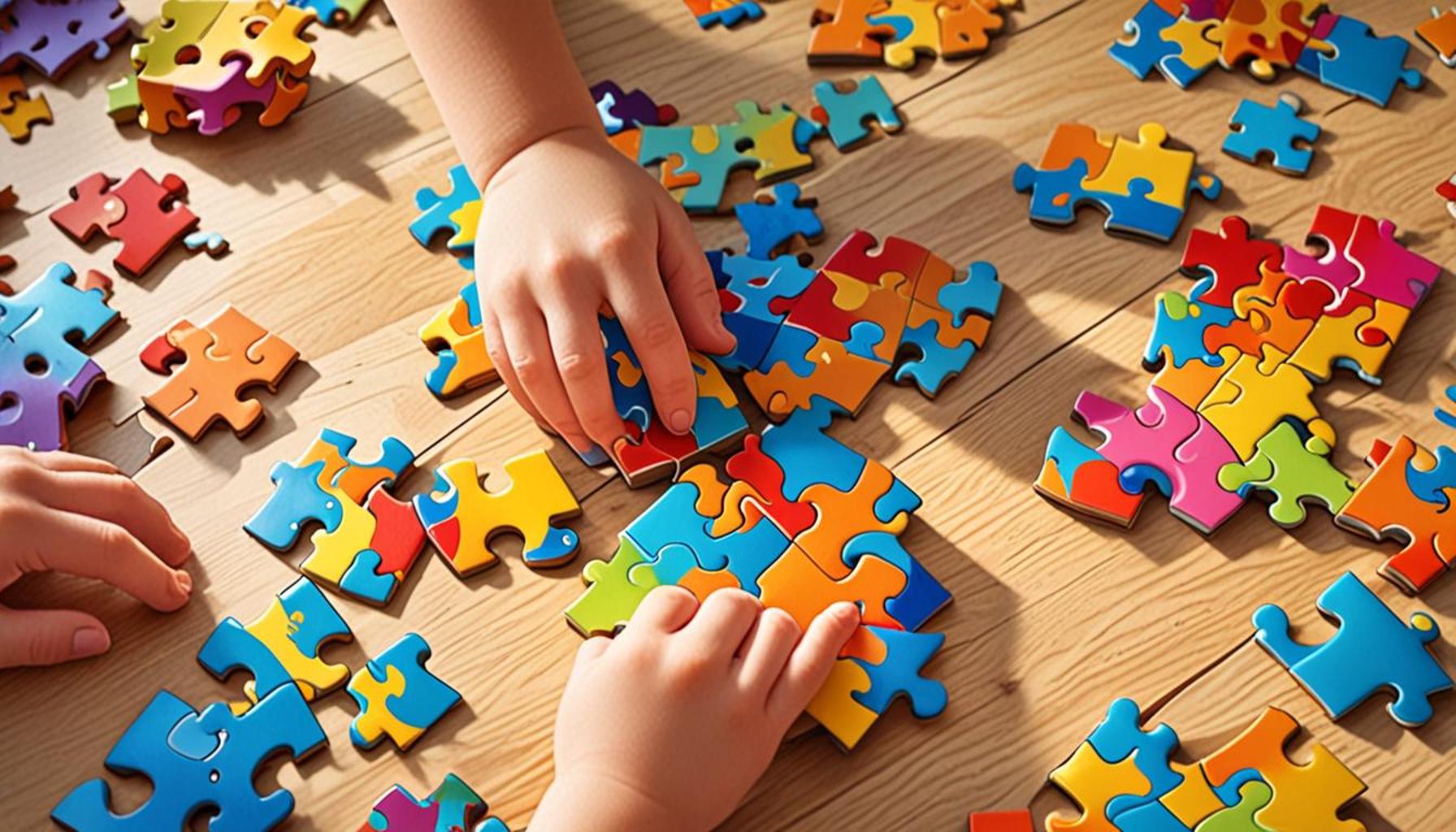
The Cognitive Benefits of Puzzles in Childhood Development
Puzzles are often seen as mere entertainment for children, but their impact goes far beyond a fun distraction. They serve as powerful tools that actively promote cognitive skills, offering children a unique way to engage their minds and develop essential abilities that will benefit them throughout their lives. By delving into the world of puzzles, children embark on a journey of mental engagement that nurtures their growth and stirs their creativity.
Numerous studies support the idea that solving puzzles significantly boosts a child’s cognitive capabilities. For instance, enhancing problem-solving skills is among the most notable advantages. When faced with a challenging puzzle, children must assess the pieces, strategize their approach, and think critically to arrive at a solution. This process fosters logical reasoning and encourages them to approach challenges methodically—skills that are invaluable in both academic settings and daily life.
Furthermore, puzzles make substantial contributions to enhancing visual-spatial skills. As children work with varying shapes, colors, and patterns, they learn to visualize how pieces fit together in space. This ability to manipulate and conceptualize objects spatially is crucial, particularly in STEM (Science, Technology, Engineering, and Mathematics) fields where such skills are frequently applied. For example, simple jigsaw puzzles can lead to a greater understanding of geometry, while complex 3D puzzles sharpen a child’s architectural visualization capabilities.
Another core benefit is the enhancement of memory and concentration. Engaging with puzzles typically requires repetition as children navigate through the pieces, enhancing their attention span and memory retention. This is especially relevant in an era dominated by quick distractions from screens; the hands-on approach of puzzles can serve as a much-needed balance, fostering a child’s ability to concentrate and memorize patterns or sequences.
Additionally, engaging with puzzles offers a range of experiential learning opportunities. Through independent learning, children can tackle challenges at their own speed, which nurtures autonomy and allows for personal growth. Meanwhile, social skills are sharpened when children work collaboratively on puzzles. Such interactions encourage teamwork, communication, and patience—qualities vital for navigating social environments.
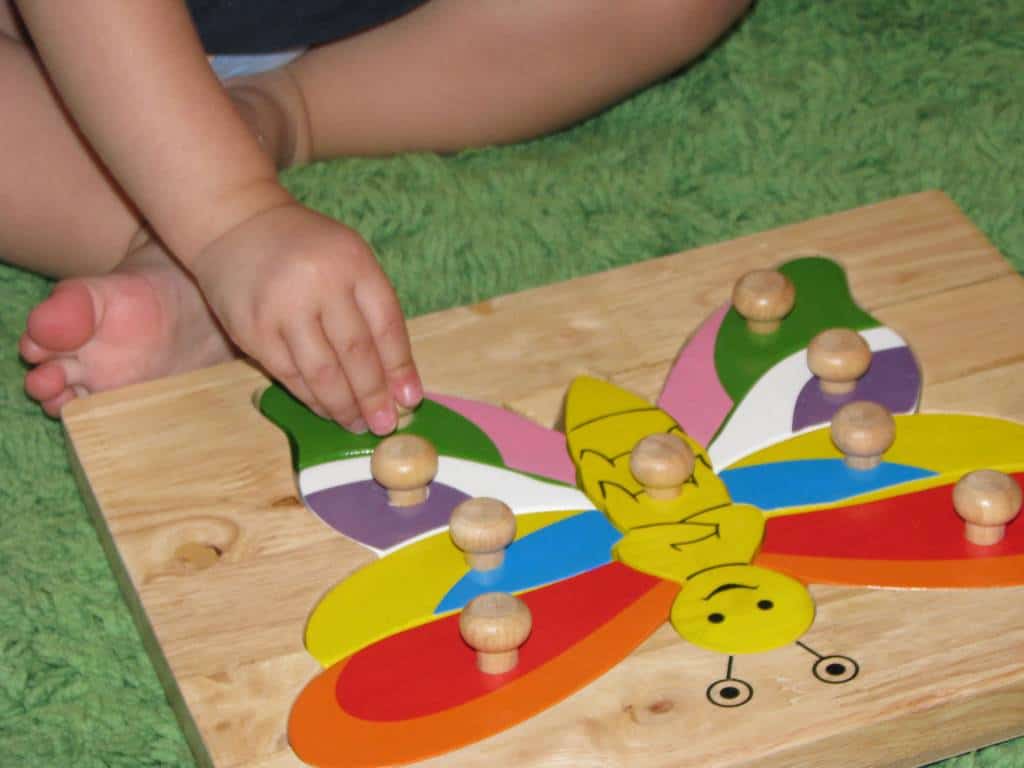
Finally, there’s a sense of achievement that comes from completing a puzzle, significantly contributing to confidence building. This sense of accomplishment can motivate children to tackle even greater challenges, both in puzzles and in other areas of their lives.
As adults—parents and educators alike—acknowledge and embrace the importance of puzzles, integrating them into routine learning can yield remarkable benefits. With the world presenting numerous digital distractions, the tactile experience of puzzles not only captivates children but also lays the groundwork for their future success, making them a timeless educational tool.
DIVE DEEPER: Click here to discover more strategies
Unlocking Cognitive Growth Through Puzzles
The intricate world of puzzles serves as a multifaceted arena for cognitive development in children. Diverse in form—ranging from classic jigsaw puzzles to intricate Sudoku and interactive digital puzzles—they invite engagement that challenges the brain in various ways. As children delve into these engaging activities, they not only entertain themselves but also acquire skills that play a pivotal role in shaping their cognitive landscape.
One of the most profound connections between puzzles and cognitive development lies in their role in enhancing critical thinking skills. Each puzzle presents a unique challenge that requires children to analyze patterns, formulate hypotheses, and determine the best strategies to reach a solution. For instance, when working on a jigsaw puzzle, a child must pay attention to how edges and colors correlate, forcing them to think strategically and use deductive reasoning. Such exercises lay the groundwork for greater problem-solving abilities, an essential component not only in childhood but throughout life.
Moreover, the benefits of puzzles extend into strengthening fine motor skills. As children manipulate pieces, whether it’s fitting together shapes or picking up small parts, they are exercising hand-eye coordination and dexterity. This physical interaction with puzzles is crucial during formative years when these skills are still developing. Research indicates that children who engage frequently with puzzles demonstrate improved gross and fine motor skills compared to their peers who do not partake in similar activities.
What makes puzzles particularly advantageous is how they promote self-regulation and patience. Achieving success in puzzles seldom happens instantly. Children learn to manage frustration, maintain focus, and persist through challenging tasks. This mental fortitude is vital—not just for puzzles but also in their academic pursuits. When children patiently work through the complexities of a challenging puzzle, they cultivate resilience and determination, qualities that serve them well in school and beyond.
Additionally, puzzles can be classified into several types to enhance different cognitive skills. Consider the following categories:
- Jigsaw puzzles: Enhance spatial reasoning and problem-solving abilities.
- Logic puzzles: Develop critical thinking and analytical skills.
- Word puzzles: Improve language development and vocabulary.
- Math puzzles: Strengthen numerical skills and logical reasoning.
Through exposure to these varied puzzle formats, children can tackle a wide array of cognitive challenges, setting them up for a robust intellectual development. As educators and parents recognize the profound impact puzzles can have on cognitive skills, the importance of incorporating these activities into daily routines becomes increasingly evident. It’s worth noting that the inclusion of puzzles in a child’s playtime can lead to a natural enthusiasm for learning, ultimately fostering a lifelong love for challenges.
The Importance of Puzzles in the Development of Cognitive Skills in Children
Puzzles are a fun and engaging way for children to develop essential cognitive skills. As children manipulate pieces and attempt to fit them together, they are not only entertained but are also participating in a critical learning process. The act of solving puzzles encourages stronger problem-solving abilities. This activity fosters a child’s innate curiosity and shapes their ability to think critically.Additionally, puzzles enhance spatial awareness. When children visualize how pieces fit together, they train their brains to understand the relationship between objects and their spatial orientation. This skill is crucial not only in early childhood development but also in mathematics and science as they grow older.Furthermore, puzzles promote patience and persistence. As children face challenges in piecing together components, they learn the value of these traits. This positive reinforcement through achievement builds their self-esteem and motivates them to tackle even harder tasks in the future.Involving children in puzzle play also provides an opportunity for family bonding. Parents and guardians can partake in this stimulating activity alongside their children, fostering a supportive environment that enhances social skills and cooperation. By discussing strategies and sharing tips, children gain interpersonal skills that are vital for successful interactions in life.Overall, the act of engaging with puzzles is much more than mere play; it is an integral element in the cognitive development of children that lays a solid foundation for lifelong learning.
| Advantage | Explanation |
|---|---|
| Enhances Problem-solving Skills | Encourages logical thinking through trial and error. |
| Improves Spatial Awareness | Develops understanding of shape and space relationships. |
| Builds Patience and Persistence | Encourages children to keep trying until they succeed. |
| Fosters Social Interaction | Promotes teamwork and communication with peers. |
As seen, the multifaceted benefits of puzzles make them an invaluable resource in the growth of cognitive abilities in children. Not only do they stimulate the mind, but they also provide a fun route to personal development and social bonding, making them an essential part of childhood learning.
DON’T MISS OUT: Click here to uncover how Sudoku can enhance your mental clarity
Fostering Collaborative Skills and Social Interaction
In addition to enhancing individual cognitive abilities, puzzles can be instrumental in promoting collaborative skills and social interaction among children. Engaging in puzzle-solving activities can serve as a catalyst for teamwork, as children often work together to piece together complex challenges. This collaboration fosters essential social skills, such as communication, sharing, and empathy, which are vital for holistic development. For example, when children discuss their strategies while solving a jigsaw puzzle, they learn to express their thoughts clearly, listen to their peers, and appreciate different perspectives. These interpersonal skills are transferable, helping children navigate school environments and future workplaces with ease.
Furthermore, research from the American Psychological Association suggests that children who participate in group puzzle activities exhibit increased confidence and social competence. As they experience success together, they build a sense of community and shared achievement, which boosts self-esteem. Such positive social interactions are crucial, especially in an era where childhood isolation can lead to various mental health issues. Engaging in collaborative puzzles fosters a sense of belonging and emotional safety, essential elements for healthy development.
Enhancing Memory and Concentration
The cognitive benefits of puzzles extend significantly into the domains of memory and concentration. Regular engagement with puzzles can improve both short-term and long-term memory. Memory retention is exercised as children remember the positions and features of puzzle pieces or specific clues in logic games. According to studies conducted by the National Institutes of Health, children who regularly engage with memory-intensive activities, including puzzles, showcase a marked improvement in memory capabilities compared to those who do not. This enhancement in memory can translate into improved academic performance, particularly in subjects requiring strong recall abilities, such as history and science.
Moreover, children learn to concentrate effectively while assembling puzzles. Maintaining focus on multiple pieces simultaneously can sharpen their ability to concentrate on other tasks, whether academic or recreational. This discipline becomes increasingly crucial as children advance in their educational journeys, where distractions abound. Activities that promote attentiveness, like solving puzzles, can ultimately result in children regulating their attention spans and improving their overall academic engagement.
Puzzles as a Tool for Learning
Educators and parents alike are beginning to recognize the role of puzzles as a learning tool that can enhance traditional educational methodologies. With puzzles applicable across various subjects, their integration into lessons can provide a hands-on approach to learning. For example, math puzzles can introduce fundamental concepts such as addition and subtraction while enhancing overall numerical literacy. Similarly, word puzzles can serve to enrich vocabulary and language skills, enabling children to practice spelling and contextual understanding in a fun, engaging manner.
In the digital age, technology has brought forth an array of interactive puzzles that can be tailored to suit diverse learning styles. Educational apps and games provide innovative ways for children to engage with puzzles, thus merging technology with cognitive development. The adaptability of puzzles ensures they remain relevant and can be customized based on a child’s unique interests and learning pace, further promoting continuous cognitive exploration.
In summary, puzzles are more than mere entertainment; they are powerful tools that nurture a wide spectrum of cognitive skills in children. By engaging with puzzles, children enhance their critical thinking, fine motor skills, patience, social abilities, memory, and concentration—all vital components in their cognitive development journey.
DISCOVER MORE: Click here to enhance your mental clarity
Conclusion: Unlocking Potential Through Puzzles
Puzzles are not just enjoyable pastimes; they are invaluable tools in the development of cognitive skills among children. The myriad benefits derived from engaging with puzzles—ranging from enhanced critical thinking and improved fine motor skills to the fostering of social interaction and collaborative abilities—underscore their importance in today’s educational framework. As we have explored, puzzles stimulate memory and concentration, contributing to stronger academic performance and giving children the confidence they need to thrive socially and emotionally.
Moreover, puzzles serve as versatile educational tools that can seamlessly integrate into various subjects, catering to different learning styles. With the advent of technology, interactive puzzles provide even more opportunities for children to engage in cognitive exploration, ensuring that puzzle-solving remains relevant and adaptable to individual learning needs. Educational institutions and parents should embrace puzzles not merely as leisure activities but as fundamental elements in nurturing a child’s cognitive and social development.
As we strive to support our children in achieving their fullest potential, it becomes crucial to recognize and promote activities that bolster their cognitive abilities. Incorporating puzzles into daily routines can pave the way for enhanced problem-solving skills, creativity, and resilience, preparing them for the challenges that lie ahead. Thus, the true importance of puzzles extends well beyond the joy of play; they are, in fact, gateways to a brighter, more intellectually engaged future for our children.