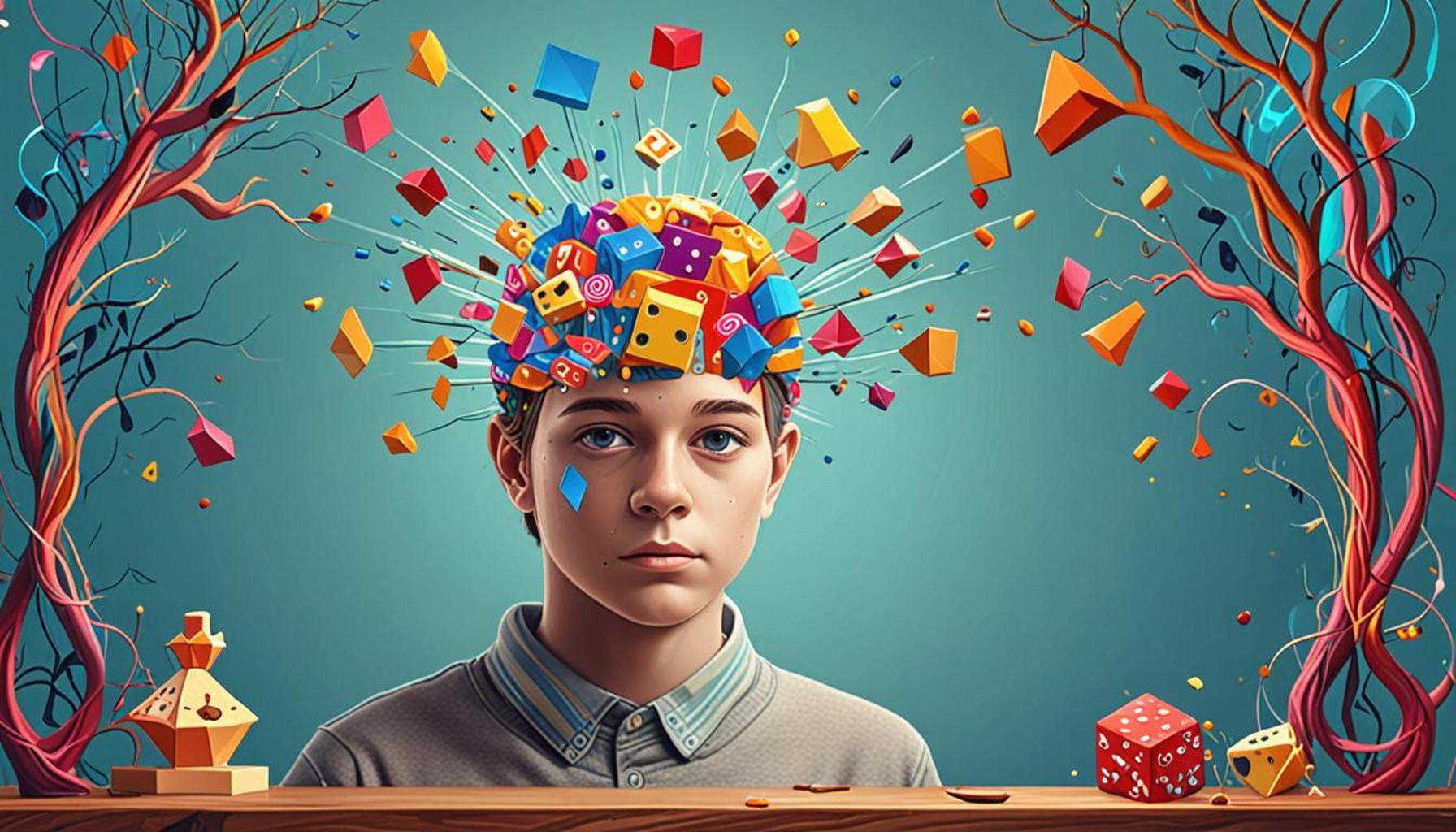
The importance of memory games in healthy aging: How mental challenges can prevent cognitive decline

The Value of Mental Stimuli for Aging Populations
As we age, maintaining cognitive health becomes a priority. Many studies have indicated a direct correlation between engaging in memory games and promoting brain function among older adults. These games are not just a source of entertainment; they are vital tools for healthy aging.
- Improved Memory: Regular participation in memory exercises can enhance short-term and long-term recall. For instance, older adults who engage in crossword puzzles or memory card games often report significant improvements in their ability to remember names, faces, and daily tasks, helping them maintain independence in their lives.
- Increased Focus: Challenging the brain with puzzles and games helps sharpen attention spans. Research has shown that adults who frequently play strategy-based games, like chess or Sudoku, may experience heightened concentration levels, which can translate into better performance in daily activities.
- Social Interaction: Many memory games are designed for groups, promoting social engagement, which is just as crucial as mental challenges. Collaborative games such as bridge or trivia nights not only stimulate the mind but also foster camaraderie, reducing feelings of isolation that often accompany aging.
In the United States, the aging population is growing rapidly, with over 54 million individuals over the age of 65. As this demographic continues to expand, understanding how mental challenges can play a role in combating cognitive decline is essential. Engaging in brain games can positively affect quality of life, longevity, and overall mental well-being. For example, studies show that seniors who play memory-enhancing games at least three times a week tend to experience slower cognitive decline compared to their sedentary peers.
Brain Health and Cognitive Decline
Research shows that cognitive decline is not an inevitable part of aging. Instead, it is a condition that can be delayed or mitigated through consistent mental activity. Implementing memory games into daily routines may serve as a bridge to a more fulfilling and engaged later life. Various organizations, such as the Alzheimer’s Association, advocate for mental stimulation as a key strategy for reducing the risk of dementia. Furthermore, engaging in these activities alongside family or friends enhances both motivation and enjoyment, enriching the social fabric of aging individuals’ lives.
Neurological studies suggest that the brain continues to form new connections and pathways well into old age, a concept known as neuroplasticity. This underscores the importance of regular engagement with mental stimuli. In essence, the more we challenge our brains, the better equipped we become to handle the cognitive demands of aging.
Overall, incorporating memory games into everyday life not only enhances mental acuity but also provides older adults with crucial opportunities for connection and joy. As the U.S. continues to adapt to a growing aging population, recognizing the ongoing importance of mental health initiatives will prove vital in promoting a healthy and satisfying lifestyle for seniors.
DISCOVER MORE: Click here to dive deeper
The Role of Memory Games in Cognitive Health
Memory games are more than mere entertainment; they are a critical measure against cognitive decline in older adults. As neurological research continues to illuminate the intricate workings of the aging brain, it becomes clear that engaging in regular mental challenges can bolster cognitive functions and prolong mental agility. Numerous cognitive assessments suggest that frequent participation in memory games can enhance various cognitive skills, ranging from memory retention to processing speed.
The brain, much like any other organ, benefits from regular exercise. Mental exercises, such as memory games, stimulate regions of the brain associated with learning and memory. In fact, studies have indicated that individuals who actively engage in memory-enhancing activities tend to display better cognitive health in later years. This is particularly important in a society that increasingly recognizes the need for strategies to combat age-related cognitive issues.
Cognitive Benefits of Memory Games
Incorporating memory games into daily routines can yield a multitude of cognitive benefits, including:
- Enhanced Problem-Solving Skills: Many memory games require players to think strategically and adapt quickly to changing game dynamics. This fosters improved problem-solving skills, which can carry over into daily decision-making and enhance an individual’s ability to navigate daily challenges.
- Better Emotional Well-Being: Engaging in mental exercises can boost mood and reduce anxiety, providing a beneficial effect on overall mental health. Studies indicate that older adults who regularly participate in memory games report lower levels of depression and increased life satisfaction.
- Increased Neurotransmitter Activity: Engaging in memory games may promote the release of neurotransmitters, such as dopamine, which play a crucial role in motivation and mood regulation. Enhanced neurotransmitter activity can lead to improved cognitive performance and a greater sense of well-being.
- Strengthened Neural Pathways: When older adults engage their minds in memory activities, they stimulate the formation of new neural pathways. This plasticity is essential for maintaining cognitive functioning, allowing individuals to better adapt to the challenges of aging.
Furthermore, organizations like the National Institute on Aging emphasize that incorporating memory games into regular mental workouts can be particularly effective. They recommend individuals make memory games a staple in their social and personal activities. Not only do these games provide mental exercise, but they also offer enjoyable avenues for socialization, fostering strong connections among peers and family.
As awareness of cognitive health continues to rise, there is a growing emphasis on making memory games accessible to all older adults. Local community centers and online platforms are increasingly offering resources, workshops, and games designed specifically for this demographic. This growing trend signifies a vital shift toward embracing active mental engagement as a formidable tool in promoting healthy aging.
The Cognitive Benefits of Memory Games
As we age, the brain undergoes various changes that can impact cognitive function. Engaging in memory games has emerged as an effective method to combat these changes and enhance mental agility. Research indicates that regularly practicing memory tasks can stimulate neuronal connections, promoting neuroplasticity—the brain’s ability to adapt and grow throughout life. This adaptability is crucial for maintaining good cognitive health.
Boosting Memory and Retention
Memory games challenge players to recall information, recognize patterns, and make quick decisions. Such activities not only improve short-term memory but can also lead to long-term memory enhancements. This is particularly important for older adults, as strong memory retention supports daily functioning and independence. Simple activities like crossword puzzles, card games, or matching activities can make a substantial difference in cognitive health.
Social Interaction through Gaming
Participating in memory games often involves collaboration or competition with others. This social aspect cannot be overlooked, as social interaction has been linked to reduced feelings of loneliness and depression in older adults. By engaging in group activities centered around memory games, seniors can enjoy the dual benefits of improving cognitive skills while fostering strong social connections.
Finding the Right Games
With a myriad of options available, it’s essential to choose memory games that are both stimulating and enjoyable. Online platforms, mobile apps, and board games cater to different interests and skill levels. Whether an individual prefers digital or physical formats, the key is to maintain consistency in playing these games. Regular engagement provides continuous mental challenges that counteract cognitive decline.
Conclusion
By incorporating memory games into daily routines, older adults can harness the enjoyment of play while reaping serious benefits for cognitive health. The importance of such mental challenges cannot be underestimated in the fight against cognitive decline. As more research underscores the connection between mental activity and healthy aging, memory games will likely play a starring role in future wellness recommendations.
DIVE DEEPER: Click here to uncover more
Memory Games as a Social Catalyst
The multifaceted advantages of memory games extend beyond cognitive improvement; they also serve as a vital mechanism for social engagement among older adults. Social interaction plays a crucial role in psychological well-being, and incorporating memory games into social settings can encourage teamwork, communication, and camaraderie. Engaging with peers during these activities not only enhances cognitive functions but also combats feelings of isolation that many seniors may experience.
Research has shown that participating in group activities, such as memory games, can lead to enhanced social networking and stronger relationships among participants. For instance, a study conducted by the University of Southern California revealed that older adults involved in regular group games reported feeling less lonely and more content with their social lives. Being around others while engaging in fun and mentally stimulating activities can foster a sense of community and enhance the quality of life.
The Role of Variety in Memory Games
To maximize the benefits of memory games, variety is key. Engaging in different types of games can stimulate various cognitive functions. Options range from classic card-matching games to word puzzles and digital memory games accessible via smartphones and tablets. This diversity allows individuals to challenge their brains in unique ways, maintaining motivation and interest. Studies suggest that varied mental challenges can lead to improved cognitive reserves, enabling older adults to perform more efficiently in unfamiliar tasks.
Additionally, memory games that involve learning new skills or information, such as language-learning apps, can further enhance cognitive abilities. For example, programs like Duolingo not only challenge memory but also encourage linguistic skills, providing a comprehensive brain workout. By exploring different platforms and game formats, older adults can create a personalized mental fitness regimen that keeps their brains engaged and agile.
The Science Behind Memory Improvement
The positive effects of memory games on cognitive health are backed by scientific studies as well. According to research published in the Journal of Gerontology, older adults who regularly engage in memory games show a significant decrease in the risk of developing Alzheimer’s disease. The authors concluded that constant mental challenges may help build a cognitive reserve, which acts as a buffer against severe cognitive decline.
Moreover, findings from the American Psychological Association indicate that engaging in cognitive tasks like memory games can result in measurable improvements in both short-term and long-term memory. The consistent practice of recalling and retaining information strengthens synaptic connections, creating a neural network better equipped to handle age-related changes.
As we navigate an aging population in the United States, the integration of memory games into daily life appears more essential than ever. Communities, families, and individuals need to prioritize these mental exercises not just for entertainment but as a proactive strategy in enhancing cognitive health. The increased access to mobile applications and community programs dedicated to mental fitness presents an exciting opportunity for older adults to harness the power of memory games in their journey of healthy aging.
DISCOVER MORE: Click here to delve deeper
Conclusion: Embracing Mental Challenges for Healthier Aging
In a world where the aging population is increasing, the emphasis on cognitive health has never been more paramount. The findings highlighted throughout this article underscore the importance of memory games as both a preventative measure against cognitive decline and a source of social interaction. Actively engaging in memory-enhancing activities not only promotes brain health but also enriches one’s social life, creating a well-rounded approach to healthy aging.
The blend of mental challenges offered through varied types of memory games, ranging from traditional board games to innovative digital platforms, fosters an environment for cognitive growth. This diversity not only keeps the mind agile and adaptable but also builds a strong foundation for improved memory retention and processing speed. Coupled with scientific backing from respected studies, it is evident that these games can significantly reduce the risk of neurological conditions such as Alzheimer’s disease.
As families and communities seek effective ways to support their elder members, incorporating memory games can serve as a fun and impactful strategy. Not only can they enhance mental acuity, but they also strengthen communal bonds that are vital for psychological well-being. With the growing availability of various resources, engaging in memory games is more accessible than ever.
Ultimately, to combat the challenges of aging, we must advocate for proactive approaches that prioritize mental fitness through enjoyable, socially inclusive activities. Memory games represent a promising avenue for achieving these goals, allowing older adults to maintain their cognitive vitality and lead fulfilling lives as they age.