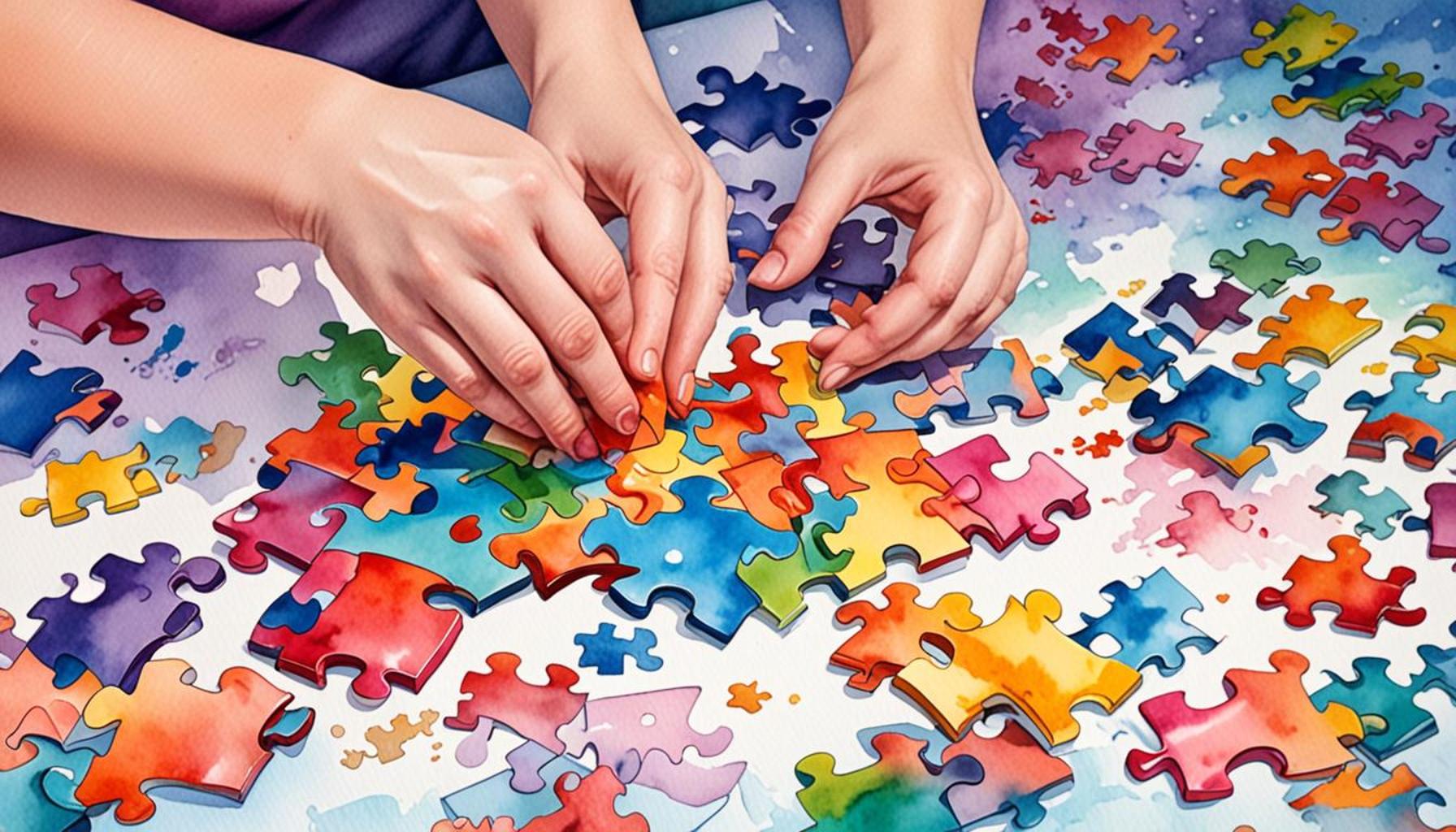
The Importance of Lateral Thinking in Problem Solving in Strategy Games
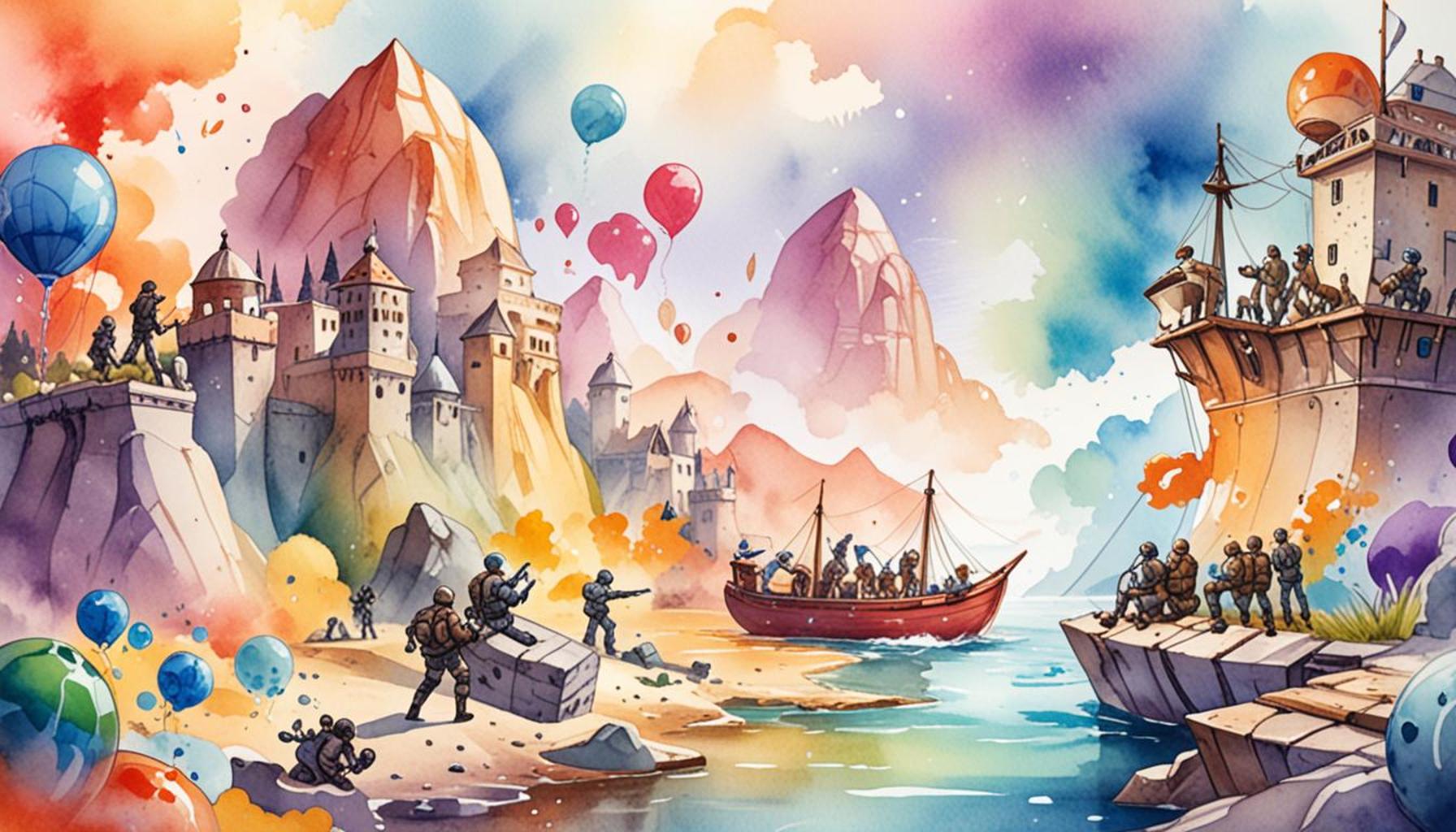
The Power of Lateral Thinking in Strategy Games
In the arena of strategy games, players are frequently faced with moments when traditional approaches may not yield success. This juncture is precisely where lateral thinking proves to be not just an asset but a game-changer. Instead of relying solely on learned strategies or predictable maneuvers, players are encouraged to exercise creativity and innovation, allowing them to explore beyond the conventional boundaries of gameplay.
One notable example of lateral thinking comes from the game “Civilization VI,” where players often resort to military dominance as a primary strategy. However, a lateral thinker may focus on cultural influence and diplomacy, forging alliances and leveraging trade to achieve victory. This unexpected pivot exemplifies how stepping outside the norm can lead to profound and surprising outcomes.
Let us delve into a few key elements that underline the importance of lateral thinking in strategy games:
- Creativity Over Code: The beauty of strategy games lies in their potential for unconventional tactics. Players who embrace unusual strategies often find themselves achieving victories that their opponents would never anticipate. For instance, in “StarCraft II,” players can employ unconventional unit compositions or unexpected tech paths, catching rivals off guard and gaining a decisive advantage.
- Enhanced Decision Making: Lateral thinking encourages players to analyze scenarios from diverse perspectives. This multi-faceted approach is essential when evaluating threats or opportunities within the game. By considering alternative angles, a player can uncover hidden possibilities, ultimately leading to more informed decisions that can sway the tide of the game.
- Adaptive Strategies: In the ever-evolving landscape of strategy games, having flexible tactics is crucial. A static player may fall victim to more dynamic opponents. The ability to pivot and re-strategize in real-time not only keeps gameplay exhilarating but also allows a player to navigate shifting alliances, unexpected enemy moves, or changing game mechanics efficiently.
The implications of lateral thinking extend well beyond the gaming universe. Skills cultivated through gaming can enhance problem-solving abilities in various real-life situations, whether in professional settings or personal endeavors. Just as players learn to navigate complex scenarios in games, they become adept at tackling unforeseen challenges in the workplace or daily life with the same inventive spirit.
As we continue to explore the dynamic interplay of lateral thinking and strategy games, it becomes clear that this mindset doesn’t just enhance the gaming experience; it equips players with invaluable skills necessary for navigating the complexities of the real world. Embracing this way of thinking can fundamentally transform how individuals approach problems, whether they unfold on-screen or in their everyday lives. So, prepare to redefine your strategy and problem-solving approach through the lens of creativity and innovation.

LEARN MORE: Click here to discover how puzzle-solving enhances your child’s brain development
Unlocking Creativity: The Role of Lateral Thinking in Strategic Gameplay
In the dynamic world of strategy games, the ability to think laterally can often be the difference between winning and losing. Many players operate within the confines of conventional methodology, applying established strategies learned from past experiences or guides. However, those who harness the power of lateral thinking challenge that framework, opening themselves to new ideas that may lead to innovative solutions and unexpected victories.
Consider the popular game “Chess,” where players are taught a series of set openings that have been analyzed extensively over the years. While mastering these openings can offer a tactical edge, lateral thinkers recognize that the true essence of the game often lies in spontaneity. By deviating from traditional moves or incorporating unpredictable strategies, players can unsettle their opponents, creating opportunities to capitalize on mistakes or oversight. This approach not only makes the game more thrilling but also illustrates the crucial importance of adapting one’s thinking to outsmart an adversary.
Here are some key aspects that illustrate how lateral thinking enhances problem-solving in strategy games:
- Unconventional Solutions: Players who utilize lateral thinking often discover solutions that defy traditional logic. For instance, in games like “XCOM,” choosing not to engage enemies directly but instead focusing on stealth or environmental advantages can lead to success even in the toughest scenarios.
- Improved Conflict Resolution: Lateral thinkers often excel in resolving conflicts within games by viewing challenges from multiple angles. In the game “Total War,” instead of a direct attack, players might consider diplomatic negotiations or economic pressures to weaken opponents, showcasing how sometimes the path less taken leads to success.
- Resource Optimization: A salient attribute of lateral thinking is the ability to make the most of available resources. In “Age of Empires,” creative strategies like non-standard resource allocation or unconventional unit choices can disrupt opponents’ expectations and shift the balance of power without the need for brute force.
Moreover, the skill of lateral thinking is not merely confined to the gaming realm; it has far-reaching implications in everyday life. Players who train their minds to think creatively in games find that they become adept at tackling complex problems in their careers, relationships, and other areas of personal development. For example, a project manager employing innovative approaches to team dynamics can foster collaboration and creativity, ultimately enhancing productivity.
As we continue our exploration of the significant role lateral thinking plays in strategy games, it becomes increasingly evident that embracing this mindset enhances not only gameplay experience but also equips individuals with valuable skills applicable in numerous aspects of their lives. This intellectual agility fosters resilience and encourages an adventurous spirit, traits that can ultimately lead to greater success in the gaming arena and beyond.
The Role of Lateral Thinking in Strategy Games
Strategy games are not just a battleground of wits; they are intricate puzzles waiting for players to unlock their solutions through innovative thinking. Lateral thinking is crucial in this realm because it encourages players to break free from conventional methods and approach problems from unique angles.In strategy games, players often encounter situations where traditional tactics may falter. For instance, a player may find themselves cornered by an opponent’s strategy. Instead of following the expected paths of attack or defense, lateral thinking empowers players to devise unexpected strategies, such as creating diversions or exploiting the environmental elements. This can lead to surprising victories and a deeper learning experience.Moreover, for players who embrace lateral thinking, there’s a recognition of patterns and the ability to connect disparate ideas. This not only enhances game performance but also equips players with skills transferrable to real-life problem-solving scenarios. The ability to think creatively under pressure can redefine how an individual approaches both in-game challenges and everyday obstacles.Additionally, lateral thinking fosters a collaborative spirit in multiplayer settings. When players combine their distinctive perspectives to navigate challenges, it triggers an innovative exchange of ideas that can lead to unique strategies overlooked by the individual. This synergy not only benefits the game outcome but also enriches the social experience of gaming.In summary, the significance of lateral thinking in strategy games extends beyond mere gameplay. It cultivates an adaptable mindset, enhances critical thinking skills, and nurtures community engagement, providing players with a comprehensive toolkit for effective problem-solving both on and off the screen.
DIVE DEEPER: Click here to discover more
Embracing Flexibility: The Application of Lateral Thinking in Tactical Scenarios
The essence of lateral thinking in strategy games is adaptability, which becomes particularly vital in rapidly changing scenarios. This ability to pivot strategically can define a player’s success or failure in high-pressure situations. For instance, during gameplay in “StarCraft,” players routinely face unexpected moves from their opponents. Lateral thinkers shine in such environments, as they can swiftly identify alternative tactics that play to their strengths, contrary to their initial game plan. This versatility encourages creativity and spontaneous decision-making that can change the tide of a match.
Furthermore, the importance of understanding and utilizing the psychology of opponents cannot be overstated. In games like “Diplomacy,” players must often negotiate and influence their rivals. Lateral thinking empowers players to understand not just the game mechanics but the emotional and psychological dynamics at play. By presenting unexpected offers or treating opponents with surprising generosity, players can create fissures in alliances and manipulate the actions of others to their advantage. This complexity showcases how lateral thinking transcends mere tactics, urging players to delve into the realms of human behavior and decision-making.
- Anticipating Moves: A valuable application of lateral thinking is the ability to foresee an opponent’s strategy. In competitive games like “League of Legends,” expert players utilize unconventional champions or build variations that catch their competitors off guard. This unexpected approach compels opposing players to respond defensively, often leading to mistakes that lateral thinkers can exploit. Recognizing potential counterstrikes is a hallmark of lateral thinking and strategic excellence.
- Scenario Reassessment: In strategy games requiring long-term planning, such as “Civilization,” players must regularly reassess their positions and strategies based on emergent circumstances. A lateral thinker may notice that focusing on cultural dominance instead of military aggression could yield a superior outcome, despite common wisdom favoring the latter. This reassessment not only reveals alternative paths to victory but also illustrates the importance of being flexible in one’s gameplay.
- Building Synergistic Strategies: Combining different elements of gameplay creatively can also lead to unexpected advantages. In games like “Warhammer 40,000: Dawn of War,” players who think laterally might come up with hybrid approaches that integrate aggressive tactics with stealth operations, creating a multi-layered strategy that can bewilder opponents. Such synergistic strategies highlight how resourcefulness and creativity are essential components of strategic successful gameplay.
Moreover, the effectiveness of lateral thinking extends outside of gaming. The problem-solving skills cultivated through strategic gameplay can empower individuals in various sectors, ranging from business to education. When facing complex challenges, the ability to think outside the box can drive innovative solutions, forging pathways to success that may seem unreachable through conventional approaches. For instance, marketers leveraging creative strategies that diverge from traditional advertising methods can often yield remarkable results, much like a formidable player in a strategy game.
Ultimately, the application of lateral thinking in strategy games not only enriches the gaming experience but also cultivates a mindset that encourages innovation, adaptability, and resilience. The mental agility developed during gameplay offers players a unique toolkit that they can carry into all facets of life, fostering a more dynamic and creative approach to problem-solving.
DIVE DEEPER: Click here to discover more about the psychology behind competition and friendship
Conclusion: Harnessing Lateral Thinking for Strategic Dominance
In an era where complex challenges abound both in gaming and real life, lateral thinking emerges as a pivotal skill in effective problem-solving. Strategy games, with their intricate dynamics, provide players not only a platform for entertainment but also a training ground for innovative thinking. As demonstrated, the flexibility to adapt strategies, anticipate opponents’ maneuvers, and reevaluate scenarios can dramatically enhance one’s effectiveness in gameplay. The insights gleaned from experiences in titles like “StarCraft,” “League of Legends,” and “Civilization” showcase how creativity and strategic originality can lead to unexpected victories, often turning the tables in situations deemed lost.
Moreover, the profound implications of lateral thinking in strategy games extend beyond the virtual realm. Players harness these skills in various aspects of life, from business negotiations to educational challenges. By engaging in creative problem-solving that transcends traditional methods, individuals foster a mindset that values innovation and resilience. This adaptability is increasingly relevant in our fast-paced world, where the ability to navigate uncertainty is essential.
As we reflect on the significance of lateral thinking within the context of strategy games, it becomes evident that the attributes cultivated through gameplay are not merely tools for victory on the digital battlefield but are invaluable assets in navigating the complexities of daily life. Future game designers and educators should strive to emphasize and integrate these elements, ensuring that the next generation of players is equipped not just to win games, but to tackle the world’s challenges with the ingenuity and flexibility that lateral thinking affords.