
The Impact of Pets’ Body Language on Human Behavior
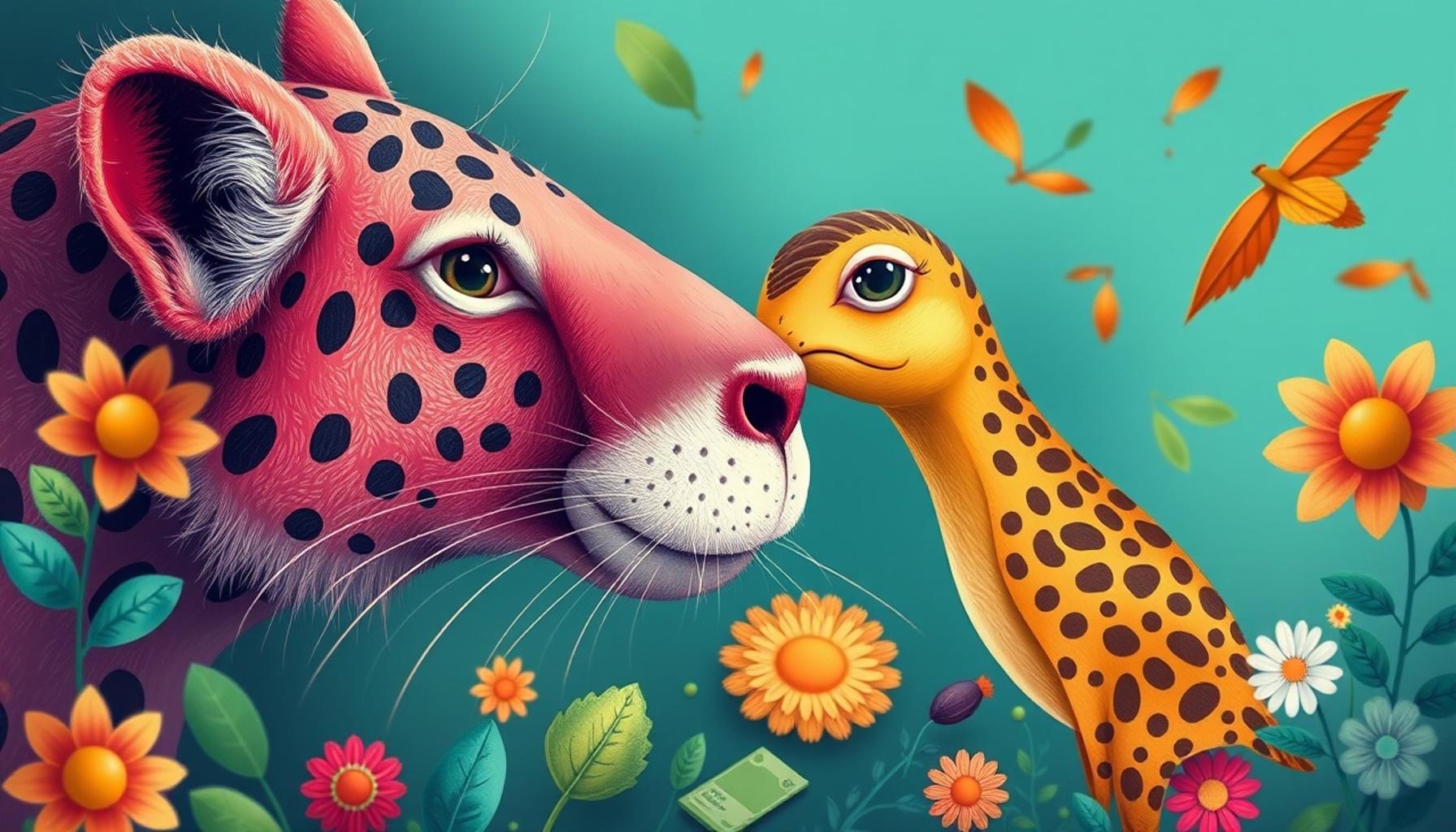
The Power of Non-Verbal Communication in Pet Ownership
The bond between humans and their pets extends beyond mere companionship; it is a profound interaction steeped in emotional nuance and understanding. A significant aspect of this relationship lies in grasping how pets’ body language conveys feelings and intentions, which ultimately influences human responses and behaviors. By becoming attuned to these non-verbal cues, pet owners can deepen their emotional connections with their animals, leading to a more harmonious coexistence.
Pets primarily communicate through their body language, offering vital insights into their emotional states. For instance, a dog may wag its tail vigorously, signaling happiness and excitement, while a cat with an arched back may be expressing fear or aggression. The ability to interpret these signals accurately is crucial for pet owners as it directly affects:
- Human emotions: Pets can often mirror their owners’ feelings, responding to joy with exuberance or to stress with increased attentiveness. Research indicates that interaction with pets can lower cortisol levels in humans, potentially alleviating stress and anxiety.
- Behavioral changes: Understanding a pet’s body language can prompt human responses that alter daily routines and social interactions. For example, if a dog appears anxious when strangers approach, an owner may choose to limit social gatherings to ensure their pet feels safe.
- Decision-making: Observing a pet’s reactions can inform choices about training or healthcare. For example, if a dog shows fear during certain events, the owner may look for training strategies or gradual desensitization techniques to enhance their pup’s confidence.
Consider the case of a family adopting a rescue dog. By watching for signs such as tail posture, ear position, and overall demeanor, they can tailor their approach to create a more welcoming environment. Initially, a lowered tail and flattened ears might indicate fear. Understanding this can prompt the family to avoid overwhelming the dog with attention, allowing it to acclimate at its own pace.
Recognizing the intricate communication between pets and humans enriches the relationship and leads to a more rewarding experience for both parties. Studies show that animals provide emotional support, enhance overall well-being, and even contribute to greater physical activity. The bond nurtured through understanding body language not only creates a safe space for pets but also reinforces the emotional health of their owners.
In conclusion, by fostering a deeper comprehension of pet communication, we pave the way for stronger relationships and more fulfilling interactions. As society continues to embrace pet ownership, understanding these dynamics becomes essential for the well-being of both humans and their beloved companions.
DIVE DEEPER: Click here to learn more
Understanding Pet Body Language: The Key to Enhanced Communication
The intricate tapestry of communication between pets and their owners is interwoven with subtleties that many may overlook. By learning to decipher pets’ body language, individuals can unlock a wealth of information about their furry companions’ feelings, leading to improved interactions. Understanding the signals pets send can transform a pet owner’s experience and foster an environment of trust and affection.
Pets use an array of physical cues to express their emotions, and recognizing these signals can significantly impact human emotions and behavior. For instance, a dog’s body posture serves as a natural barometer for its mood. Dogs exhibit various postures, such as:
- Relaxed: When a dog is comfortable, they may lie down with a loose, wiggly body, indicating a sense of security.
- Alert: A dog standing upright with ears perked and tail raised may be signaling interest or excitement, suggesting they are engaged with their surroundings.
- Submissive: A dog that rolls over on its back, exposing its belly, is often demonstrating submission or seeking comfort from its owner.
Understanding these different postures is essential for pet owners. An owner who actively observes their dog’s body language can make informed decisions about when to provide comfort or maintain a level of distance during interactions with other pets or people. This awareness can lead to more thoughtful responses, which is crucial for fostering a positive environment for both pets and humans.
Furthermore, the bond between pets and their owners is reciprocal. Not only do pets respond to human body language, but they can also mirror emotions through their behavior. For example, if a child is excitedly jumping around, a dog may mirror that energy by wagging its tail and hopping playfully. Conversely, if a person displays signs of distress or anxiety—such as a furrowed brow or tense posture—a pet may become more vigilant, mirroring that emotional state by leaning close or remaining on high alert.
This mirroring effect speaks to the psychological tie between pets and their owners. Researchers have identified that this dynamic interplay can lead to significant lifestyle changes for pet owners. Many individuals report increased levels of happiness and enhanced physical activity when engaging with their pets, primarily driven by the need for exercise and daily walks. The emotional support pets provide is intricately linked to their ability to respond empathically to human emotions.
Ultimately, mastering the language of pets’ body movements paves the way for a deeper, more fulfilling connection with these cherished companions. By taking the time to observe and understand how specific behaviors convey feelings, pet owners can foster not only their pets’ well-being but also enhance their own emotional satisfaction and health.
As we delve deeper into the impact of pets’ body language on human behavior, it’s essential to recognize how understanding this non-verbal communication can enhance our relationships with these cherished companions. The subtle cues – from a wagging tail to a relaxed posture – convey emotions that humans can interpret in various ways, shaping both our interactions and emotional responses.
When pets exhibit calming behaviors, such as slow blinking or gentle tail movements, they not only signal their comfort but also encourage their owners to adopt a more relaxed demeanor. This reciprocal relationship reinforces trust and emotional bonding, fostering a nurturing environment where both pet and owner feel secure. Furthermore, certain behaviors in pets can trigger hormonal responses in humans. For instance, petting a dog or cat can increase oxytocin levels, often referred to as the ‘love hormone,’ promoting feelings of happiness and reducing stress.
The observational learning aspect cannot be overlooked either. Pets often mirror their owner’s emotions, which means one can inadvertently influence the pet’s state through their own body language and behavior. For example, when people display relaxed body language, their pets are more likely to mirror that state, reinforcing a positive atmosphere. Hence, learning to identify and interpret pets’ body language not only aids owners in understanding their pets better but also empowers them to maintain emotional balance in their lives.
Studies have shown that pet owners who are attuned to their animal’s body language report greater relationship satisfaction. The bidirectional flow of emotions creates a compelling dynamic that nurtures both parties. Additionally, understanding these cues can prevent miscommunication and potential behavioral issues, enriching the bond between pets and their humans even further.
| Category 1 | Category 2 |
|---|---|
| Emotional Bonding | Strengthens trust and security, leading to a nurturing environment. |
| Stress Reduction | Petting pets raises oxytocin levels, enhancing feelings of happiness. |
In summary, being attentive to our pets’ body language not only fosters a deeper emotional connection but also cultivates a healthier, more satisfying partnership that benefits both humans and animals alike. Understanding these dynamics across species can lead to improved well-being for everyone involved.
DIVE DEEPER: Click here to learn more
How Human Responses Shape Pet Behavior
While pets communicate through their body language, it is equally important to consider how human responses to these signals can shape and influence a pet’s behavior. A pivotal aspect of this relationship is understanding that animals thrive on feedback from their owners. This dynamic can lead to wholesome interactions that reinforce positive behaviors among pets.
For example, if a dog displays its eagerness to play by bounding around with wagging tail and enthusiastic barks and the owner responds with excitement—such as clapping their hands or crouching down to encourage engagement—this positive reinforcement not only enhances the interaction but also cultivates a sense of joy and playfulness in the dog. Such interaction creates a robust feedback loop; the pet grows increasingly confident and sociable, while the owner benefits from stress relief and the sheer delight of companionship.
Moreover, research has shown that pets can recognize emotional expressions in humans, leading to a unique level of empathy in their behaviors. Studies conducted at various universities—including a notable one at the University of California, Berkeley—demonstrated that dogs and even cats can distinguish between happy and sad faces. As a result, they often adjust their responses based on the emotions they perceive in their owners. A pet may snuggle closer or engage in soothing behaviors when sensing their owner is distressed, showcasing a profound appreciation of emotional cues.
- Vocalizations: Dogs might bark or whine excitedly if their owners display enthusiasm, whereas a sudden change in tone or volume can also lead them to become more subdued or cautious.
- Non-verbal cues: Similarly, a cat may approach its owner and rub against their leg when sensing they are relaxed, seeking closeness as a comfort measure.
The implications of this reciprocity extend to mental health benefits for humans. A study from the University of Missouri found that pet owners who engage with their animals report lower rates of depression compared to those without pets. The findings suggest that the emotional availability of pets, influenced by their ability to respond to human body language, significantly contributes to a pet owner’s overall well-being.
Additionally, understanding pet body language can serve a practical function in various aspects of pet ownership. For example, recognizing when a dog becomes anxious or fearful—by noting behaviors like tucked tails, flattened ears, or avoidance of eye contact—enables owners to intervene early, providing reassurance or modifying situations to avoid adding stress. This preemptive approach can decrease accidents and behavioral issues caused by fear, contributing to a safe and nurturing environment.
Furthermore, behaviorists often encourage pet owners to foster a culture of silent communication. Providing routines where pets and their owners can share time together without constant verbal interaction promotes a deeper understanding of each other. This type of interaction cultivates patience, empathy, and trust—for both the pet and the owner—leading to a stronger bond and mutual respect.
Thus, by proactively engaging with their pets and understanding their body language, owners can create a pleasant home environment. This not only improves the overall quality of life for pets but also enhances the owner’s emotional landscape, driving home the reality that the bond between humans and pets is grounded in a shared understanding of each other’s emotional signals.
DISCOVER MORE: Click here to learn about scent training
Conclusion: Unlocking the Language of Connection
In exploring the impact of pets’ body language on human behavior, we uncover a profound connection that transcends verbal communication. The unique interactions between pets and their owners highlight an intricate dance of signals and responses, fostering meaningful relationships. As we’ve seen, the feedback loop created through mutual understanding not only enhances the well-being of animals but also significantly uplifts their human companions. Engaging in play, recognizing emotional cues, and responding appropriately to body language enrich the lives of both parties and build an atmosphere of trust.
The emotional intelligence displayed by pets indicates their ability to sense our moods and adjust their behaviors accordingly, which can lead to remarkable psychological benefits. Research supports that pet ownership correlates with decreased feelings of loneliness and anxiety, underscoring the therapeutic potential inherent in these relationships. Furthermore, identifying and interpreting the subtle nuances of a pet’s body language can preemptively address behavioral issues, making pet ownership a more harmonious experience.
In conclusion, the journey of understanding pets’ body language paves the way for deeper emotional connections, improving quality of life on both sides. As we invest time in nurturing this bond, we foster a lifestyle characterized by empathy, patience, and mutual respect. The next time you connect with your pet, remember that their silent signals are not just communication; they are the foundation of a companionship that can enhance human behavior, leading to a more fulfilling life.

Linda Carter
Linda Carter is a writer and pet care expert specializing in pet health, grooming, and wellness. With extensive experience helping pet owners create safe, loving, and enriching environments for their animals, Linda shares her knowledge on our platform. Her goal is to empower readers with practical advice and strategies to ensure their pets thrive and lead joyful, healthy lives.