The Calming Effects of Puzzle Games: Unraveling the Connection Between Play and Relaxation
The Therapeutic Qualities of Puzzle Solving
Puzzle games have woven their way into the fabric of leisure activities for many individuals, particularly in the United States. Whether nestled in a coffee shop with a steaming latte or relaxing at home on the couch, players often find that immersing themselves in these games provides an essential retreat from the pressures of everyday life. The allure of these games extends beyond mere entertainment; they serve as delightful distractions while also enhancing mental acuity. Among the vivid array of puzzle genres available, players often find a calmness that lingers long after they have set their controllers or strategy guides aside.
Several factors contribute to the calming effects of puzzle games, each playing a unique role in fostering relaxation:
- Focus and Concentration: Engaging with puzzles requires a level of attention that can help users escape from the incessant chatter of daily stresses. With the mind fully invested in solving intricate problems, external worries fade into the background.
- Sense of Accomplishment: Each puzzle solved brings with it a feeling of achievement. This sense of progress is not only rewarding but also reinforces positive mental states, boosting one’s self-esteem and overall happiness.
- Mindfulness: The nature of puzzle-solving encourages players to adopt a meditative mindset. Each move is a deliberate action that calls for contemplation, allowing individuals to become attuned with the present moment while simultaneously providing a soothing escape.
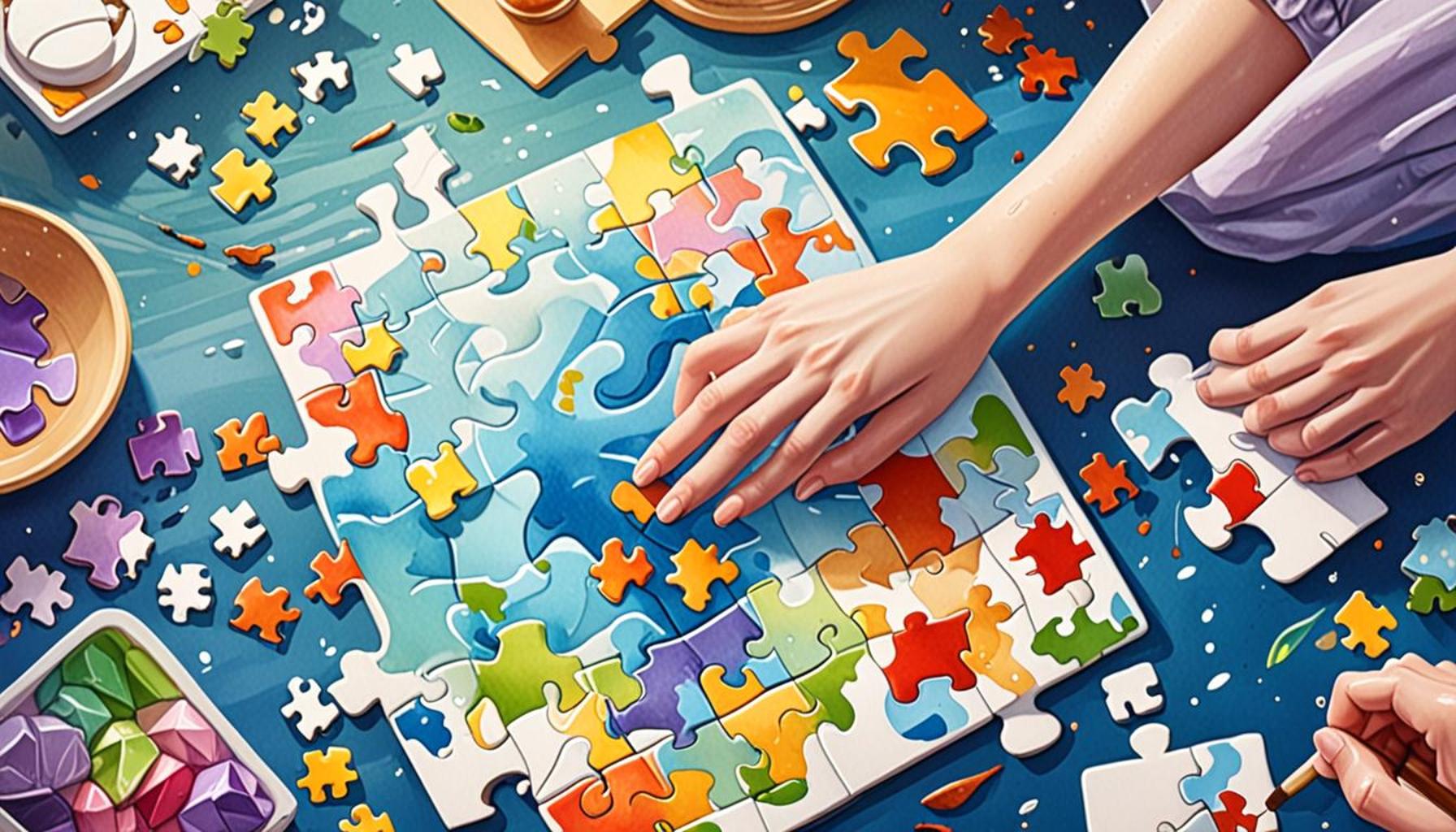
The popularity of these games is reflected in the wide adoption of various forms, such as crosswords found in newspapers and magazines, challenging Sudoku puzzles that require logical reasoning, and jigsaw puzzles that invite creativity and spatial awareness. For instance, the resurgence of traditional puzzles during lockdowns highlighted their ability to bring families together, promoting not only individual relaxation but also collective bonding.
Yet, the question remains: what is it specifically about most puzzle games that promotes relaxation and well-being? Research in psychology suggests that engaging in such structured tasks facilitates the release of endorphins, the brain’s feel-good chemicals, leading to reduced stress levels. Additionally, the repetitive nature of solving puzzles allows for a temporary escape from real-world pressures, where the stakes are typically lower—for instance, missing a few pieces in a jigsaw puzzle is hardly as consequential as a missed work deadline.
Through this exploration, readers can uncover more than just a pastime within puzzle games; they can discover a powerful tool for mental tranquility and relaxation. As we continue to analyze the links between leisure activities and mental health, it becomes increasingly clear that the simple act of solving a puzzle offers much more than the satisfaction of completion—it opens pathways to peace in a busy world.
DISCOVER MORE: Click here to learn about the importance of social interaction in puzzle solving
The Role of Cognitive Engagement in Relaxation
Puzzle games engage the brain in remarkable ways, offering not just fun, but a gateway to relaxation through cognitive engagement. When individuals enter the realm of puzzle-solving, their mental focus shifts from the chaos of daily obligations to a structured and controlled world where they can embrace the challenge. This cognitive workout functions similarly to physical exercise, as it requires concentration and strategic thinking, leading to an overall sense of accomplishment.
The act of solving puzzles fosters a unique atmosphere conducive to relaxation. As players immerse themselves in the intricate patterns and logic of these games, a natural flow state often emerges. This phenomenon, identified by psychologist Mihaly Csikszentmihalyi, describes the feeling of being completely absorbed in an activity, resulting in a loss of self-consciousness and a reduction in anxiety levels. Such mental immersion in puzzle games not only promotes relaxation but also cultivates resilience against stress.
Moreover, countless studies support the idea that cognitive engagement is a pivotal component of emotional well-being. Research indicates that activities requiring problem-solving can significantly reduce cortisol levels, the hormone primarily associated with stress. As players manipulate pieces of a puzzle or strategize moves, their brains release those coveted endorphins, while simultaneously providing a healthy distraction from life’s pressures.
Let’s delve deeper into the specific ways puzzle games contribute to emotional tranquility:
- Escapism: Puzzle games provide a bubble of escape from daily life. Players can walk away from their worries and step into a world where the most pressing issues revolve around completing a challenging crossword or aligning colored blocks.
- Control and Mastery: In the realm of puzzles, players have the power to exert control over their environment. The ability to manipulate the game around them fosters a sense of mastery that not only aids in stress reduction but also contributes to personal growth.
- Social Interaction: Many puzzles encourage collaborative efforts or competition, creating opportunities for social interaction. This sense of community brings additional comfort, reminding individuals they are not alone in their challenges, both in the game and in life.
In light of these benefits, it becomes clear that engaging with puzzle games is not merely a fleeting hobby but a valuable practice for maintaining mental health. As the digital age continues to evolve, platforms offering innovative puzzle mechanics—including apps and online multiplayer formats—are expanding rapidly, making these therapeutic tools more accessible to a broader audience.
As we continue to explore the intricate connections between play and relaxation, it’s essential to recognize that puzzle games stand as more than a source of enjoyment. They are vibrant pathways that revive our minds, foster resilience, and promote well-being in a fast-paced world, inviting us to uncover layers of tranquility within their engaging challenges.
The Calming Effects of Puzzle Games: Unraveling the Connection Between Play and Relaxation
Puzzle games have increasingly gained recognition for their remarkable ability to provide players with not just entertainment but also therapeutic benefits. These games, often simple in nature, require strategic thinking and problem-solving, engaging the mind in a way that fosters mental clarity and relaxation. Many players report that indulging in puzzles can serve as an effective escape from daily stresses, offering a moment of tranquility amidst the chaos of life.As players navigate through various challenges, the concentration required helps divert attention from anxiety-inducing thoughts, effectively creating a meditative state. This phenomenon links closely to the concept of flow, a term coined by psychologist Mihaly Csikszentmihalyi, which describes the experience of being fully immersed in an activity. Achieving flow while solving puzzles can produce a sense of fulfillment and accomplishment, further enhancing the feeling of relaxation.Moreover, research highlights that engaging in puzzle games can stimulate the release of dopamine, a neurotransmitter associated with feelings of pleasure and satisfaction. This positive feedback loop promotes a greater willingness to engage in problem-solving tasks, establishing a cycle that encourages players to immerse themselves more deeply in the game while reaping the calming benefits.Puzzle games come in various forms—crosswords, Sudoku, jigsaw puzzles, and digital games—each with their own unique allure. Players often find joy in the process of working through challenges, revealing how these games can enhance cognitive functioning while simultaneously contributing to an overall sense of well-being. The next section will delve into specific advantages of these games, further exploring the connection between play and relaxation.
| Category 1 | Category 2 |
|---|---|
| Cognitive Engagement | Enhances problem-solving skills, promoting mental agility. |
| Stress Reduction | Distracts from daily stressors, inducing a calming effect and helping to clear the mind. |
The interplay between puzzle games and relaxation is a rich field of exploration. With their ability to enhance mental functions while providing stress relief, these games offer a multi-dimensional approach to well-being that resonates with players of all ages.
DON’T MISS: Click here to discover how mind games enhance connections!
Neuroscience Behind Puzzle Games and Stress Relief
The intersection of neuroscience and gaming reveals fascinating insights into how puzzle games can serve as effective tools for relaxation. Research has shown that engaging in challenging mental activities leads to neurological changes that promote positive emotional states. A study published in the journal *Frontiers in Psychology* found that solving puzzles stimulates the prefrontal cortex, the area of the brain responsible for higher-order thinking and decision-making. This stimulation not only enhances cognitive function but also reduces feelings of anxiety. The mental effort required for puzzle-solving diverts attention from stressors, creating an effective coping mechanism.
Moreover, the act of completing puzzles triggers the brain to release a surge of dopamine—a neurotransmitter associated with pleasure and reward. This release occurs after achieving small milestones, such as fitting together pieces or successfully answering a riddle, fostering a sense of happiness and reinforcing the desire to continue playing. Dr. David Z. Hambrick, a cognitive psychologist at Michigan State University, emphasizes that these bursts of dopamine help in creating positive associations with the activity, making it a more appealing and soothing option during stressful times.
The Therapeutic Potential of Puzzle Games
Puzzle games have also garnered attention in therapeutic settings. Therapists have begun incorporating them into strategies designed to alleviate symptoms of depression and anxiety. For example, cognitive-behavioral therapy (CBT) has utilized puzzle-solving techniques to aid patients in focusing their thoughts and calming their minds. While traditional puzzle formats such as jigsaw or Sudoku have been prevalent for relaxation, digital puzzle games are now increasingly recognized for their therapeutic benefits. Game developers are responding to this trend by incorporating elements specifically aimed at lowering anxiety levels and encouraging mindfulness.
Additionally, the customizable nature of many puzzle games allows players to tailor their experiences to fit their emotional needs. Platforms like *Lumosity* offer puzzles that adapt in difficulty based on how the player performs, ensuring an optimal challenge that neither overwhelms nor bores. This adaptability is critical for maintaining engagement and fostering relaxation, as players can always find a comfortable yet stimulating space within their gameplay.
Puzzle Games as a Social and Collaborative Experience
Another important aspect of puzzle games lies in their ability to create communal experiences, which can amplify their calming effects. Games like *Words with Friends* and *The Room* can be played in tandem with friends or family members, promoting social interaction and collaboration. According to a 2018 study by the American Psychological Association, socializing during gameplay not only enhances cognitive performance but also leads to lower stress levels. The shared triumphs in completing puzzles or discovering clues together can forge stronger bonds among players, nurturing companionship and emotional support, particularly vital during challenging times.
In communities across the United States, groups are forming around shared interests in puzzle games. Local game nights, either in-person or online, provide an environment for connection and relaxation, allowing individuals from various backgrounds to come together. This social dimension adds yet another layer to the calming effects already established through cognitive engagement. As individuals embark on these gaming journeys, they also unite in their pursuit of relaxation and satisfaction.
Ultimately, as research continues to unveil the intricate links between puzzle games and emotional wellness, it becomes evident that these games can play a significant role in promoting a more serene lifestyle in our bustling modern world.
DIVE DEEPER: Click here to uncover more insights
Conclusion: Embracing the Serenity of Puzzle Gaming
As we delve into the calming effects of puzzle games, it becomes increasingly clear that these engaging activities offer more than just entertainment; they provide a pathway to relaxation and emotional well-being. The interplay between neuroscience and gaming underscores how solving puzzles activates crucial regions of the brain, enhancing cognitive functions while simultaneously alleviating stress. Through the release of dopamine, players experience a rewarding sense of accomplishment with each completed task, reinforcing positive emotions and encouraging further engagement.
Moreover, the integration of puzzle games into therapeutic frameworks showcases their potential as tools for mental health support. By promoting mindfulness and focus, these games assist in managing conditions such as anxiety and depression, making them valuable resources for therapists and individuals alike. The customizable features and adaptive challenges offer a tailored experience, ensuring that players can find their ideal blend of difficulty and enjoyment.
The social component of puzzle gaming also amplifies its soothing effects. Participating in collaborative gameplay encourages companionship and community, combatting feelings of isolation while nurturing relationships. Whether through online partnerships or local game nights, the shared experience of tackling puzzles can forge lasting bonds and serve as an antidote to everyday stresses.
In a world that often feels chaotic, the calming effects of puzzle games remind us of the importance of play as a means of relaxation. As we continue to explore the intricate connections between gaming and well-being, the embrace of puzzle games not only enhances our cognitive capabilities but also enriches our emotional lives, encouraging us to unwind while we engage our minds. In this pursuit of balance, puzzle games stand out as an invaluable ally, inviting us to discover serenity in every solved piece.