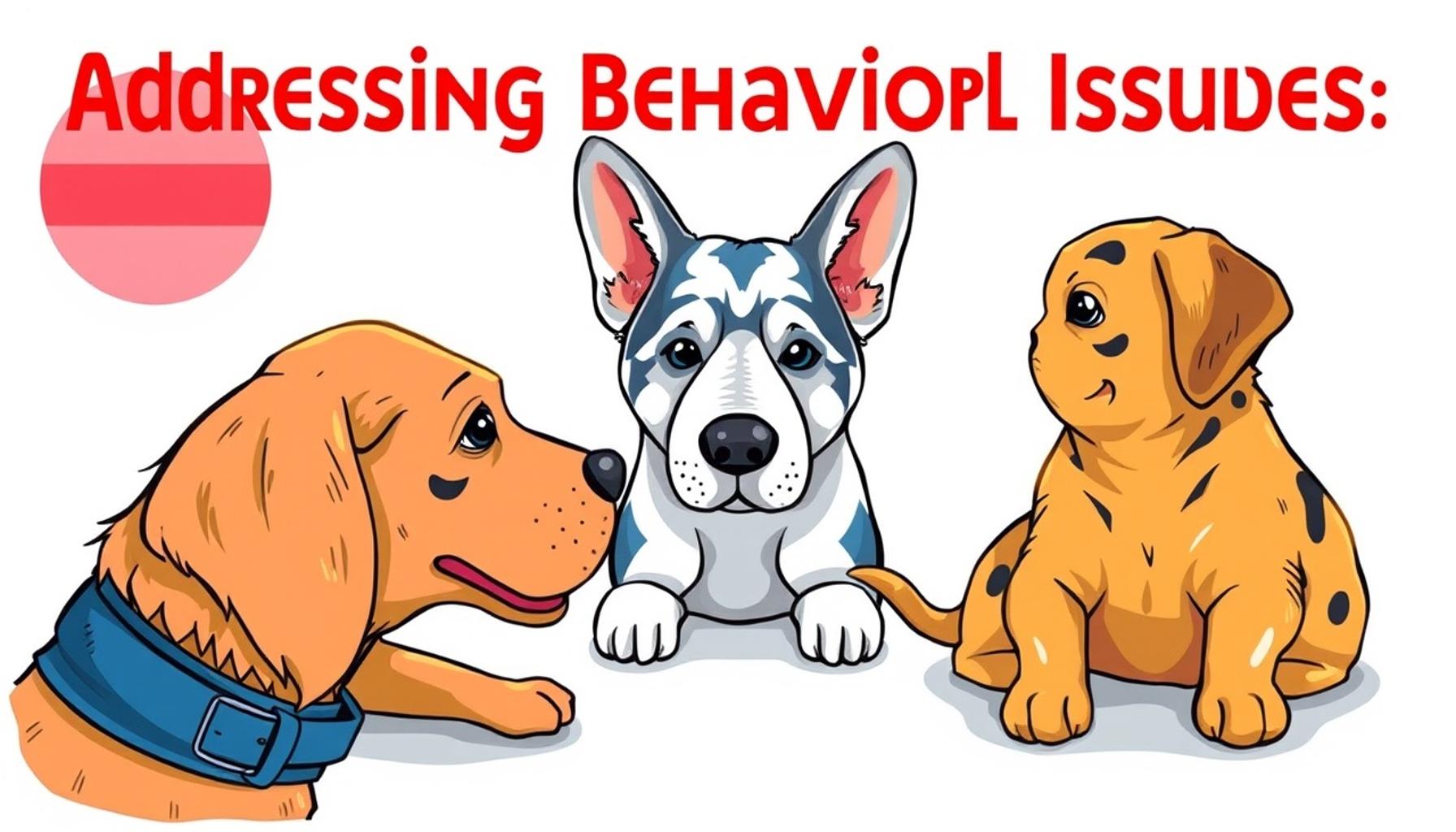
Socialization Techniques for Puppies: Creating Well-Adjusted Adult Dogs

The Importance of Early Socialization
Welcoming a puppy into your home is not just a joyous occasion; it is also the beginning of a significant responsibility that requires careful consideration and understanding. One of the key responsibilities of a new dog owner lies in the realm of socialization techniques. This intricate process is essential for shaping your puppy’s behavior and ensures they grow into a well-adjusted adult dog. The avoidance of behavioral issues later in life, such as aggression or fearfulness, is heavily reliant on proper socialization during their formative weeks.
Experiences to Include in Socialization
To facilitate effective socialization, puppies must be exposed to a wide range of experiences that will prepare them for the world around them. This includes:
- Different people and environments: Introducing your puppy to various types of people—men, women, children, and even people wearing hats or glasses—can help them become comfortable around different individuals. Venture out to parks, coffee shops, and busy streets to immerse your puppy in diverse environments.
- Various sounds and sights: Puppies are naturally curious but can also be startled by new sounds such as thunder, construction noises, or even the vacuum cleaner. Gradually exposing them to these stimuli helps them to manage different auditory experiences without stress.
- Other animals: Interactions with different animals, including other dogs, cats, and small pets, can aid in developing confidence and playfulness. Arrange playdates with well-mannered dogs or visit dog parks to facilitate these healthy interactions.
The Critical Development Period
The window for socialization is particularly narrow, typically between three and fourteen weeks of age. During this time, puppies are most receptive to new experiences, crucial for building their confidence and adaptability. Neglecting socialization during this phase can lead to long-term consequences, such as heightened anxiety or aggressive tendencies. Consistent, positive exposure can lead to:
- Reduced anxiety and fear: Well-socialized dogs often have a much lower chance of developing phobias or fear of unfamiliar situations.
- Better communication with other dogs: A dog that understands social cues and body language will have smoother interactions, reducing the likelihood of damaging confrontations.
- A more pleasant and engaged family companion: Socialized dogs are typically more interactive, allowing them to integrate better into family activities, whether that’s out for a walk or at a reunion.
Many dog owners might underestimate the vital importance of this early socialization period. However, investing time and effort into these practices can yield profound benefits, influencing temperament and behavior throughout their lives. It sets the foundation for a strong bond between pet and owner—creating a harmonious life as companions in a shared environment.
Conclusion
In summary, socialization is an indispensable component of puppy development. By actively engaging your puppy in diverse experiences, you not only contribute to their well-being but also enhance the quality of life for your family. The possibilities for exploration and learning are endless, and the rewards for both you and your furry friend will last a lifetime.
DON’T MISS OUT: Click here for innovative fundraising ideas!
Effective Socialization Techniques for Puppies
As you embark on the rewarding journey of raising your puppy, it’s crucial to implement effective socialization techniques that will lay the groundwork for their emotional and behavioral health. Proper socialization isn’t merely about letting your puppy play with other dogs; it encompasses a broad spectrum of interactions and experiences that shape a puppy’s perceptions and reactions to the world. The goal is to ensure that your furry friend grows into a confident and sociable adult dog.
Structured Introductions
One of the most effective methods of socializing your puppy is through structured introductions to various people, places, and situations. This can be accomplished by creating a socialization plan that includes:
- Playdates with other dogs: Arrange regular encounters with well-mannered, vaccinated dogs, allowing your puppy to learn essential social skills and appropriate play behavior. Puppies thrive in the company of their peers, helping them discover boundaries and communication styles among their kind.
- Visits to diverse locations: Take your puppy to busy environments like shopping malls, farmer’s markets, or local festivals. These trips introduce your dog to different sights, sounds, and people, desensitizing them to the unpredictability of various settings.
- Engaging with various stimuli: Exposure to different objects, like bicycles, skateboards, or children playing can help alleviate anxiety when encountering everyday items. Use toys, busy walks, or even playground equipment as tools to make these experiences positive.
Positive Reinforcement Approach
Utilizing a positive reinforcement approach can significantly enhance your puppy’s socialization experience. This involves rewarding your puppy with treats, praise, or playtime whenever they demonstrate calm and composed behavior in new situations. Creating positive associations with potentially intimidating experiences is key. For instance, if your puppy behaves well while encountering a barking dog, offer them a treat to reinforce that good behavior. Over time, this will help them build self-confidence and respond well to other animals.
Classes and Professional Help
Participating in puppy kindergarten or basic obedience classes can serve as an engaging and structured way to socialize your puppy. These classes not only teach essential commands, such as “sit” and “stay,” but also provide a controlled environment to meet and interact with other dogs. Knowledgeable instructors can guide you on appropriate interactions and teach you how to manage different dog behaviors. If you encounter difficulties with your puppy’s socialization, seeking help from a professional dog trainer or behaviorist may be beneficial. They can offer tailored strategies that address your puppy’s unique needs, ensuring both you and your furry companion feel equipped and supported.
Incorporating these socialization techniques for puppies into your daily routine will create a profound impact on your dog’s development. As these techniques build confidence and adaptability, they pave the way for a more fulfilling relationship between you and your dog. Recognizing the importance of early socialization will help cultivate a happy, well-adjusted adult dog who can navigate the complexities of life with ease. Embracing this journey not only benefits your puppy but enriches the lives of everyone around them.
Effective Socialization Techniques
Socialization goes beyond mere exposure to different environments; it encompasses positive experiences and interactions that shape a puppy’s behavior throughout its life. To achieve a well-adjusted adult dog, you should consider a range of techniques that foster confidence and adaptability in your puppy.
Controlled Exposure to New Environments
Start by introducing your puppy to various environments—parks, pet-friendly stores, and neighborhoods—all while ensuring the experiences are controlled and stress-free. Frequent social outings help develop their coping mechanisms when faced with new stimuli, decreasing anxiety in adulthood.
Positive Reinforcement Training
Utilizing positive reinforcement during socialization sessions is crucial. Reward your puppy with treats and praise for calm behaviors, making them more likely to repeat those actions in similar scenarios. This method creates a strong bond based on trust and respect.
Playdates with Other Dogs
Organizing supervised playdates with well-adjusted dogs exposes your puppy to different breeds and personalities. This interaction teaches essential dog-to-dog communication skills while allowing puppies to understand boundaries and appropriate play behaviors.
Engaging in Puppy Classes
Participating in puppy socialization classes offers structured learning experiences. These classes focus on obedience training while facilitating peer interaction, allowing your puppy to develop social skills in a safe environment.
By employing these socialization techniques, you set the stage for your puppy to grow into a confident and well-adjusted adult dog, ready to tackle the world around them. Engaging with various experiences can significantly enhance your dog’s adaptability and resilience, leading to a harmonious cohabitation with both humans and other pets.
| Category | Description |
|---|---|
| Safety Exposure | Gradual introduction to new experiences that mitigate fear responses. |
| Confidence Building | Positive reinforcements help instill a sense of security in puppies. |
| Community Interaction | Engagement in group settings enhances social skills with humans and other dogs. |
| Healthy Relationships | Encouraging diverse interactions leads to balanced and friendly adult behaviors. |
LEARN MORE: Click here to discover the significance of environmental enrichment
Advanced Socialization Strategies for Puppies
While foundational socialization techniques are essential for puppy development, advanced socialization strategies can further enhance your dog’s capacity to adapt and thrive in various environments. These techniques dive deeper into socialization, expanding the puppy’s experiences and reinforcing positive interactions with both individuals and stimuli. Incorporating these strategies can help transform your puppy into a well-rounded adult dog, ready to embrace life’s unpredictable moments.
Socializing at Home
Though exposing your puppy to the outside world is invaluable, socialization at home should not be overlooked. Invite friends and family over to meet your puppy, allowing them to engage in different social settings. Encourage guests to approach your puppy calmly and offer treats, introducing your dog to various interactions with diverse personalities. Additionally, you can use a stuffed animal or even a baby doll to simulate encounters, helping your puppy learn appropriate behaviors during new interactions. This method ensures that your puppy recognizes the home as a safe space while receiving varied social experiences.
Controlled Exposure to Situations
Another crucial socialization technique involves controlled exposure to situations that your puppy is likely to encounter in their adult life. For example, if you anticipate your dog will be around children, arrange supervised interactions with kids. Monitor these encounters closely, ensuring that they remain positive and stress-free for your puppy. You might also consider taking your puppy on public transport or around loud noises, like construction sites or dog parks, to familiarize them with these potential stressors. Employ consistent positive reinforcement to help your puppy associate these environments with rewarding experiences, thus fostering resilience.
Exploring Different Environments
Variety in environments can significantly contribute to your puppy’s adaptability. Aim to expose your dog to a range of settings beyond the usual local park. Take your puppy on road trips, visiting different cities or parks, or arrange caravan excursions with dog-friendly friends. This not only grants exposure to new sights and smells but also introduces your dog to varied human routines and interactions. Attending community events or organized group outings can also provide unique experiences for your puppy, reinforcing their confidence in dealing with crowds and activity.
Focus on Obedience and Impulse Control
As your puppy grows, integrating obedience training and impulse control into their socialization plan becomes essential. Teaching commands such as “leave it,” “come,” and “wait” allows your dog to better navigate stimulating environments. Practice these commands in different situations, like during playdates or while passing other dogs on a walk, to reinforce focus and self-control. Activities such as agility training or scent work can provide positive outlets for their energy while fostering mental stimulation and self-assurance.
Seeking Support from Community Resources
Taking advantage of local resources can be beneficial as you continue to socialize your puppy. Many communities have puppy playgroups, where owners can gather for supervised play sessions, allowing puppies to interact in a safe environment. Similarly, consider enrolling your puppy in workshops focused on behavioral development or enrichment. These opportunities can provide valuable insights and connections to other pet owners, furthering your dog’s social learning.
With a blend of these advanced techniques, you can deepen your puppy’s socialization experiences, ensuring they grow into a confident and adaptable adult dog. Emphasizing ongoing socialization throughout their development is vital, as it will shape their understanding of the world and their place within it.
DISCOVER MORE: Click here to learn about clicker training
Conclusion
In summary, socialization techniques for puppies are foundational in shaping their transition from playful pups to well-adjusted adult dogs. By employing a combination of basic and advanced strategies, you equip your dog with the necessary tools to navigate a variety of environments, experiences, and social interactions. Establishing a strong foundation through early interactions, coupled with controlled exposure to different situations and environments, helps mitigate future behavioral issues and fosters resilience.
Moreover, focusing on obedience and impulse control during socialization plays a critical role in increasing your puppy’s confidence and adaptability. Engaging in activities that promote both mental and physical stimulation prepares them to face everyday challenges with grace. The importance of creating a safe and enriching home environment, alongside exploring the community through dog-centric events and resources, cannot be overstated.
As you embark on this journey, remember that each puppy is unique and may require a tailored approach to their socialization. Continuous reinforcement of positive experiences, combined with patience and consistency, will ultimately lead to a happy and balanced canine companion. Investing time in your puppy’s socialization today not only enriches their life but also strengthens the bond you share. Take the opportunity to explore these techniques further, paving the way for a well-adjusted adult dog ready to thrive in the world.

Linda Carter
Linda Carter is a writer and pet care expert specializing in pet health, grooming, and wellness. With extensive experience helping pet owners create safe, loving, and enriching environments for their animals, Linda shares her knowledge on our platform. Her goal is to empower readers with practical advice and strategies to ensure their pets thrive and lead joyful, healthy lives.