Puzzles and Memorization Techniques: Innovative Strategies to Enhance Memory in Daily Life
Unlocking the Secrets of Memory
Memory plays a crucial role in our daily lives, impacting how we learn, work, and interact. With the increasing demands of modern life and the overload of information we face daily, enhancing our memory has never been more important. Enter the world of puzzles and memorization techniques—powerful tools designed to boost cognitive function and improve retention. These methods not only make learning more effective but also add an element of fun to the process.
Why Focus on Memory?
Understanding the importance of memory can unlock a treasure trove of benefits, including:
- Improved Learning: Enhanced memory can lead to better academic performance and professional results. For example, students who utilize mnemonic devices and other memory aids often find themselves grasping complex information more easily than their peers who do not.
- Everyday Efficiency: Remembering essential tasks and details, such as appointments or grocery lists, boosts productivity in both personal and work life. Imagine not needing to check your calendar for every meeting; a strong memory allows for seamless organization.
- Age-Related Benefits: Strengthening memory can play a vital role in slowing cognitive decline as we age, making it crucial for maintaining independence and quality of life in senior years. Activities designed to challenge the brain, like crossword puzzles or memory games, have been shown to have significant benefits for older adults.
Innovative Strategies Await
Utilizing puzzles and creative memorization techniques can transform mundane acts of memory practice into engaging and enjoyable experiences. Explore methods such as:
- Mnemonics: Techniques that help encode difficult information using easy-to-remember phrases or acronyms. For instance, the phrase “My Very Educated Mother Just Served Us Noodles” can help students remember the order of planets in the solar system.
- Brain Games: Engaging puzzles such as Sudoku or memory matching cards challenge the mind and encourage critical thinking. These games promote the active engagement of different areas of the brain, leading to improved memory function.
- Visualization: This method involves creating mental images that link to information, aiding recall. For example, if trying to remember a person’s name, one could visualize that person with a distinctive feature related to their name, reinforcing memory associations.
With these strategies at your fingertips, enhancing your memory becomes less daunting and far more achievable. In addition, integrating these techniques into everyday life can yield surprising benefits, from improving learning outcomes for students to enhancing cognitive abilities in adults. As we dive deeper into our understanding of memory, it is essential to recognize that it is not merely a physiological process but can also be greatly influenced by our practices and lifestyle choices.
DIVE DEEPER: Click here to uncover the benefits of Sudoku
Engaging Your Mind: The Power of Puzzles
The magic of puzzles goes far beyond mere entertainment; they serve as fantastic tools for enhancing memory and cognitive skills. By challenging our brains to solve problems, puzzles engage multiple areas of the cognitive process, making memory retention more effective. The tactile engagement of manipulating pieces in a jigsaw puzzle or deciphering a challenging crossword not only promotes patience and focus but has also been linked to increased connectivity among different brain regions.
Research from cognitive scientists highlights the implications of regular puzzle-solving on memory. For instance, a study published in the journal “Neuropsychology” found that individuals who frequently engage in puzzle activities exhibit enhanced problem-solving skills and heightened memory performance. This raises an intriguing point: are we underestimating the importance of fun in our pursuit of knowledge? The answer appears to be an emphatic yes!
Types of Puzzles to Enhance Memory
Incorporating various types of puzzles into your daily routine can yield significant benefits for cognitive enhancement. Here are some popular options that can ensure your mind stays sharp:
- Crossword Puzzles: These word games challenge your vocabulary and encourage you to think laterally, linking words you know with definitions and clues. Regularly engaging in crosswords can significantly build your verbal memory.
- Sudoku: A number-based puzzle that requires logical reasoning. Solving Sudoku puzzles sharpens your analytical skills and enhances working memory by helping you remember previous actions as you progress through the grid.
- Logic Puzzles: These often involve deducing the relationships between different variables based on given clues. Engaging with logic puzzles not only improves memory but can also boost overall reasoning skills, valuable in daily decision-making.
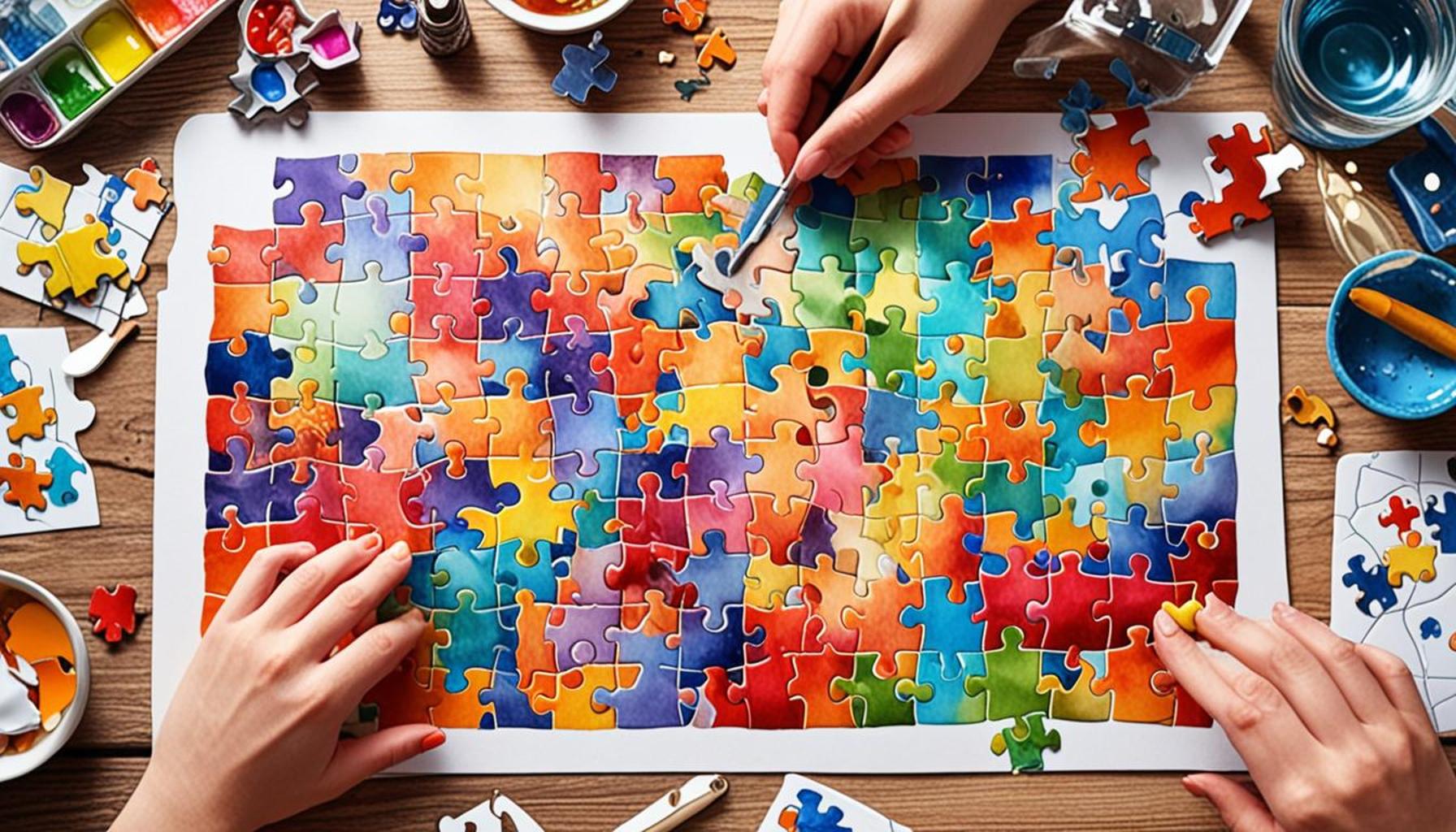
- Jigsaw Puzzles: Beyond assembling pieces to form a complete picture, jigsaw puzzles encourage spatial awareness and visual memory. The act of fitting together pieces can enhance both cognitive and visual memory pathways.
Each of these puzzles taps into different aspects of memory and cognition, making the exercise enjoyable while reinvigorating your brain. Whether you dedicate a few minutes each day to engage with a puzzle or set aside time for longer sessions on the weekends, the benefits compound over time, enhancing various cognitive functions.
What’s more, the social aspect of completing puzzles with friends or family can further facilitate memory retention. Engaging in discussions over strategies and solutions not only fosters connection but also reinforces the information as you share insights with others. The implications of these interactive experiences are profound, suggesting that fostering a stimulating environment is as vital as the practice itself.
By embracing puzzles and interactive mental challenges, we can promote not just memory enhancement but a deeper enjoyment of intellectual engagement in our daily lives. As we continue to explore innovative memorization techniques, remember that the key to effective learning often lies in simplicity and enjoyment.
Puzzles and Their Role in Cognitive Development
As we delve deeper into the realm of puzzles and their connection to memory enhancement, it becomes apparent that engaging in these mental exercises offers a multitude of benefits. Not only do they provide a stimulating challenge that can invigorate cognitive processes, but they also foster creativity and critical thinking. Among the most well-known puzzles are crosswords, Sudoku, and logic puzzles, each designed to stimulate different areas of our brain.Playing with puzzles regularly promotes neuroplasticity, the brain’s ability to reorganize itself by forming new neural connections. This is especially vital as we age, as it can help mitigate memory decline and sharpen our overall cognitive function. In fact, research indicates that individuals who regularly solve puzzles experience not only improved memory recall, but also enhanced problem-solving skills.
Innovative Memorization Techniques
In addition to puzzles, there are various memorization techniques that have emerged, providing individuals with innovative methods to enhance their memory in daily life. One such technique is the use of mnemonic devices, which utilizes associations and imaginative imagery to facilitate information retention. For example, transforming lists into vivid stories can significantly augment the brain’s ability to retain and retrieve information.Another effective method involves the application of the Method of Loci, or the memory palace technique. This ancient strategy encourages individuals to visualize a familiar place and mentally associate items to be remembered with specific locations within that space. By doing so, one can efficiently recall information by mentally walking through the area.Engaging with both puzzles and innovative memorization techniques opens a new avenue for enhancing memory, making day-to-day cognitive challenges not only enjoyable but also profoundly beneficial. Embracing these strategies can be the key to unlocking greater mental clarity and improved memory skills, making them essential components of a holistic approach to cognitive health.
| Category | Benefits |
|---|---|
| Puzzles | Enhance cognitive skills and promote neuroplasticity |
| Mnemonic Techniques | Aid in retention through imaginative associations |
| Method of Loci | Facilitates memory recall using spatial memory |
Exploring these concepts not only allows individuals to enhance their memory but also turns daily challenges into engaging and productive experiences, paving the way for a smarter and more memory-efficient life.
DIVE DEEPER: Click here to uncover the benefits of crossword puzzles for mindfulness
Cognitive Training Through Memory Games
While puzzles serve as an excellent form of mental exercise, memory games extend the benefits of cognitive training by specifically targeting memory retention and recall. These games help strengthen memory pathways, making it easier to retain new information and recall it later. Engaging with memory games adds a fun, competitive element that can significantly enhance cognitive function, especially when played in groups.
Types of Memory Games to Boost Retention
Incorporating memory games into your everyday routine can be both enjoyable and productive. Here are some popular examples that can contribute to better memory retention:
- Matching Games: Often played with a set of cards, matching games require players to find pairs of cards with the same image or value. The act of remembering the location of specific cards sharpens recall abilities while enhancing concentration and attention.
- Memory Palaces: This ancient technique involves associating information with specific locations within an imagined location, or “palace.” By creating vivid mental images, learners can efficiently recall facts or sequences based on the environment they’ve constructed in their minds, making even challenging subjects easier to navigate.
- Simon Says: A game that involves following a sequence of colors and sounds, Simon Says not only hones listening skills but challenges players to remember sequences, engaging both visual and auditory memory. This game provides a delightful way to keep your cognitive faculties sharp, even in a group setting.
- Online Memory Games: With the rise of technology, there are numerous apps and websites dedicated to boosting memory through interactive games. Many of these platforms offer a wide array of challenges that adapt to your skill level, ensuring an engaging experience that remains fresh and stimulating.
Each of these memory games invites players to practice recall and enhance their cognitive abilities in a relaxed, entertaining environment. A noteworthy advantage of these games is their adaptability for all ages—children, adults, and seniors can all benefit from memory training suited to their cognitive needs.
Social Engagement and Collaborative Learning
A significant part of memory enhancement lies in social interaction. This brings us to the concept of collaborative learning. Engaging in group activities centered around puzzles and memory games fosters a supportive environment that amplifies cognitive benefits. Sharing strategies, discussing gameplay, or even making light-hearted competition out of games creates an atmosphere that enhances memory while building interpersonal relationships.
Consider organizing memory game nights or puzzle competitions with family and friends. The brain thrives on social stimulation and collaborative problem-solving, which also has been shown to increase creativity and innovation. According to a study published in the journal “Psychological Science,” social interactions can lead to better retention of information, illustrating the importance of community and engagement in learning processes.
The integration of memory games and collaborative learning not only enhances memorization techniques but also elevates the entire learning experience. Integrating these activities into your daily routine can provide immediate cognitive benefits, while simultaneously offering ongoing opportunities for personal growth and social bonding.
DISCOVER MORE: Click here for insights on enhancing your memory
Conclusion
In an era marked by information overload, enhancing our memory is more essential than ever. The combination of puzzles and memorization techniques provides innovative strategies that can significantly improve cognitive function in daily life. Engaging with puzzles stimulates critical thinking and problem-solving skills, while memory games specifically target retention and recall, creating a comprehensive approach to mental fitness. The diverse range of memory-enhancing activities—from matching games to the classical memory palace technique—offers something for everyone, ensuring accessibility across age groups.
Moreover, the importance of social engagement cannot be overstated. Collaborative learning environments foster not only the retention of information but also strengthen interpersonal relationships, paving the way for shared experiences that enrich our lives. When families and friends gather for puzzle-solving endeavors or memory challenges, they cultivate both cognitive skills and emotional connections, making learning dynamic and enjoyable.
As you explore these innovative strategies, consider integrating them into your routine, whether through dedicated game nights, online challenges, or casual daily exercises. The benefits extend well beyond improved memory—they enhance creativity, adaptive thinking, and overall cognitive health. Embrace the challenge and creativity of puzzles and memory games, and unlock a more active, vibrant mind that can thrive in today’s fast-paced world. The journey to enhanced memory begins with a few playful steps; take them today and watch your cognitive capabilities flourish.