
Mind Games and Neuroplasticity: How Mental Challenges Shape the Brain Throughout Life
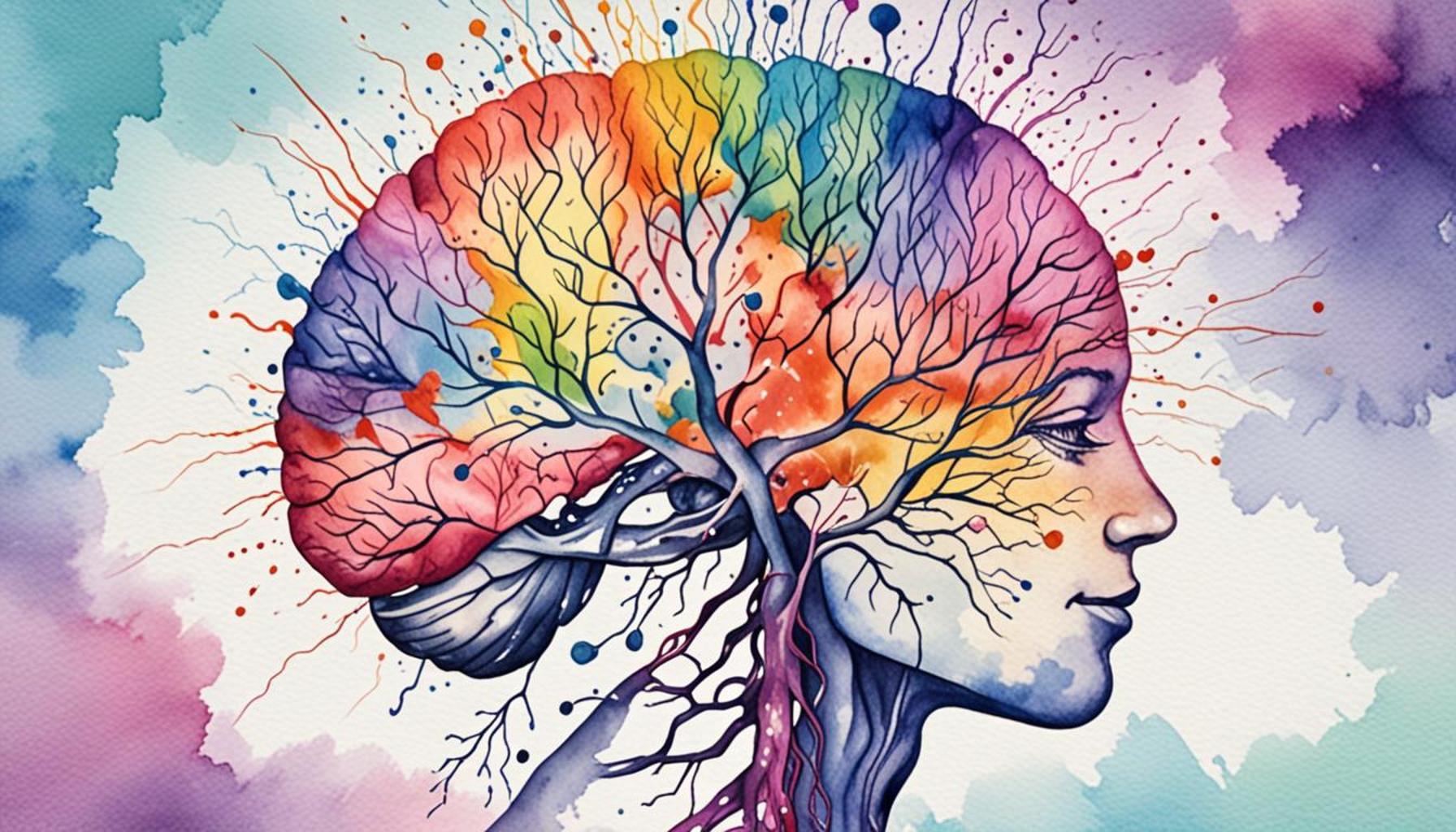
Exploring the Brain’s Remarkable Flexibility
Our brains are not static; they are dynamic and ever-evolving. Neuroplasticity is the remarkable ability of our brain to reorganize itself by forming new neural connections throughout life. This trait ensures that our brains remain adaptable, allowing us to learn new skills, recover from injuries, and enhance our cognitive functioning at any age. As we age, engaging in mental challenges can significantly alter these neural pathways, paving the way for cognitive resilience and overall brain health.
Consider the benefits of regularly stimulating your mind:
- Improved memory: Activities such as puzzles, memory games, and learning new languages can enhance both short-term and long-term memory. For example, research indicates that learning a new language can increase the density of gray matter in the brain, which is associated with improved memory and cognitive ability.
- Increased creativity: Challenging your brain with complex tasks fosters innovative thinking and problem-solving skills. Engaging in arts and crafts, playing musical instruments, or even experimenting with cooking can stimulate creative pathways, leading to unconventional solutions in everyday life.
- Better emotional regulation: Mental challenges can lead to improved coping strategies, enabling better management of stress and anxiety. Mindfulness practices and meditation, for instance, have been shown to not only relieve stress but also physically reshape brain regions associated with emotion regulation.
From childhood development through adulthood, the brain adapts to the mental activities we engage in. In children, exposure to varied learning experiences can enhance their neural connectivity, laying a strong foundation for future cognitive skills. Conversely, in adults and seniors, activities like bridging, Sudoku, or even engaging in strategic board games can help stave off cognitive decline and foster continued learning.
By understanding how mind games contribute to neuroplasticity, we can harness this knowledge to cultivate our cognitive health. The phrase “use it or lose it” holds significant weight; constant brain engagement is crucial in maintaining mental acuity.
Diving deeper into the science of mental challenges reveals how even simple activities can radically reshape our brain’s architecture. For instance, studies have shown that individuals who engage in just 15 minutes of brain-training exercises each day can see measurable improvements in their cognitive abilities. This increase in brain fitness suggests that no matter your age or background, there is always room for growth.
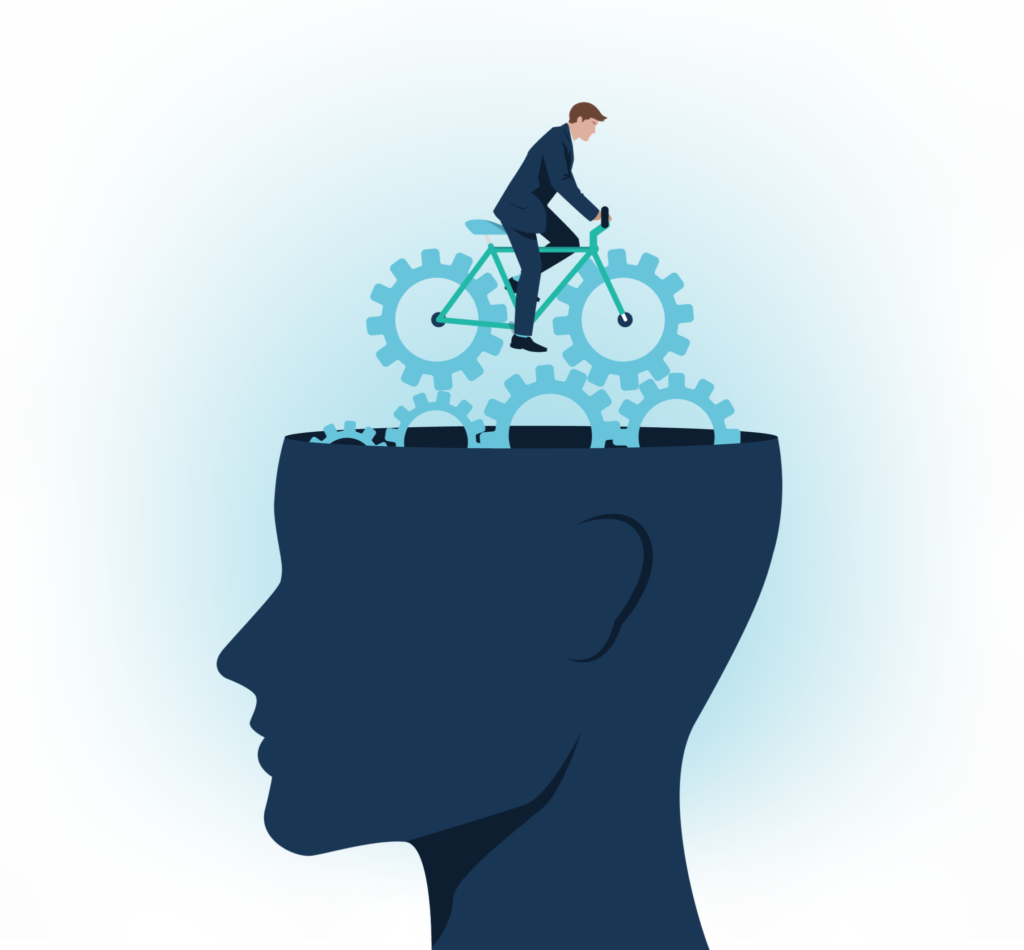
This article will explore the intricate relationship between mental challenges and neuroplasticity, revealing how we can all benefit from this fascinating process. The next sections will illustrate effective mental exercises and the latest research findings, offering practical advice on how to make brain-boosting activities a part of your daily routine.
DON’T MISS: Click here to learn more
The Science Behind Mind Games and Neuroplasticity
The fascinating relationship between mind games and neuroplasticity showcases how engaging our cognitive abilities can lead to profound changes in the brain’s structure and function. Neuroplasticity, often referred to as brain plasticity, encompasses the brain’s capacity to adapt in response to new experiences, learning, and environmental changes. This capacity is not merely a phenomenon of youth; it persists throughout life, suggesting that our brains can be sculpted by the mental challenges we encounter, regardless of age.
To better understand this phenomenon, it is essential to recognize how different types of mental activities can impact our neural pathways. Here are a few notable categories of mental challenges that exemplify this relationship:
- Cognitive puzzles: Engaging in activities like crosswords or Sudoku helps improve problem-solving skills and enhances overall mental agility. Research indicates that solving puzzles can stimulate areas of the brain that are involved in executive function, making it easier to tackle complex tasks.
- Learning new skills: The brain thrives on novelty. Whether it’s picking up a new musical instrument or learning to code, acquiring new skills encourages the growth of synapses, which are critical for transporting information within the brain. This increase in synaptic connections carries long-term benefits, enhancing both memory and cognitive flexibility.
- Social interaction: Participating in group activities, such as team sports or discussion clubs, challenges the brain to adapt socially and emotionally. Studies have shown that social engagement may stimulate the prefrontal cortex, a brain region associated with complex cognitive behavior, decision-making, and moderating social behavior.
Neuroscientists have provided compelling evidence that engaging in such mental challenges can increase neurogenesis—the process of generating new neurons. For instance, studies have shown that older adults who regularly engage in mentally stimulating activities demonstrate a lower risk of developing Alzheimer’s disease and other forms of cognitive decline. This supports the idea that lifelong learning and cognitive engagement can fortify brain health over the years.
A remarkable study conducted at the University of California, Riverside, evaluated older adults who participated in cognitive training sessions. The results were striking: participants exhibited significant improvements in memory, reasoning, and overall cognitive flexibility compared to those in a control group. This illustrates not only the brain’s adaptability but also the potential of structured mental challenges to elicit tangible improvements in cognitive performance.
The connection between mind games and neuroplasticity is a testament to the power of human agency—we possess the ability to shape our brains through conscious engagement with our mental faculties. The implications of this research extend not only to individuals seeking self-improvement but also to educators aiming to foster cognitive abilities in students. In the subsequent sections of this article, we will delve deeper into specific mental exercises, practical tips for incorporating brain challenges into daily life, and the latest breakthroughs in neuroscience related to neuroplasticity.
| Advantages | Impact on Neuroplasticity |
|---|---|
| Cognitive Resilience | Engaging in mind games strengthens neural pathways, enhancing the brain’s ability to recover from stress and adversity. |
| Memory Improvement | Regular cognitive challenges can lead to better memory retention and recall, significant in aging populations. |
| Enhanced Problem-Solving Skills | Playing strategic mind games cultivates innovative thinking, paving the way for improved decision-making abilities. |
| Social Interaction | Many mind games promote social engagement, increasing connections and reducing feelings of loneliness, boosting overall brain health. |
Engaging consistently in mental exercises not only promotes neuroplasticity but also helps maintain cognitive functions across the lifespan. For instance, puzzles and strategy games can sharpen focus and concentration, making the mind more agile and adaptable to new learning experiences. This adaptability is particularly crucial in today’s fast-paced world, where individuals are frequently faced with new information and challenges.Neuroplasticity underscores the brain’s remarkable ability to reorganize itself, forming new connections and pathways in response to learning experiences. As individuals challenge their minds, they actively influence their cognitive abilities, enhancing overall intelligence and emotional well-being. This interaction between mental challenges and brain development opens avenues for promoting lifelong learning and mental agility. The importance of integrating such stimulating activities into daily routines cannot be overstated, as they hold the keys to unlocking cognitive potential and ensuring a vibrant mental existence.
DIVE DEEPER: Click here to discover more
Exploring Practical Applications of Mind Games
As we delve deeper into the implications of mind games and neuroplasticity, it becomes essential to explore practical applications that individuals can incorporate into their lives to harness the brain’s adaptive capabilities. Engaging in mentally stimulating activities not only enhances individual cognitive performance but may also foster a culture of lifelong learning. Here are several strategies to effectively incorporate mental challenges into daily routines.
- Daily Brain Exercises: Consider dedicating a portion of your day to engaging with brain exercises designed to stimulate mental processes. Apps like Lumosity and Peak offer a range of challenging games targeting memory, attention, and problem-solving skills. Such digital platforms make it convenient to integrate cognitive challenges into your daily schedule while making the experience enjoyable.
- Incorporating Learning into Hobbies: Transforming hobbies into learning platforms can promote neuroplasticity inadvertently. For instance, if gardening sparks your interest, delve deeper by learning about botany or sustainable practices. This integration of knowledge into familiar activities activates new neural pathways and enhances the overall enjoyment of the hobby.
- Mindful Meditation: Contrary to popular belief, mindfulness doesn’t solely focus on relaxation. Research indicates that meditation can lead to structural changes in the brain, including increased grey matter density in regions linked to learning, memory, and emotional regulation. Engaging in just a few minutes of mindful meditation each day can reshape neural pathways and improve executive cognitive functions.
Furthermore, understanding the role of technology in cognitive enhancement introduces another layer of opportunity. With various neurological studies indicating the potential of electronic brain training tools, such as dual-n-back training, innovative devices encourage the growth of working memory capacity. One study, published in Nature, reported that participants who practiced dual n-back improved their fluid intelligence—a crucial indicator of cognitive capacity—compared to those who did not engage in similar exercises.
The growing popularity of virtual reality (VR) also adds an exciting dimension to cognitive training. VR environments offer immersive experiences that can challenge spatial awareness, memory recall, and even emotional processing. A pivotal study from the University of Maryland demonstrated that participants using VR for spatial navigation tasks had better retention rates compared to traditional 2D methods, highlighting the effectiveness of modern technologies in stimulating neuroplasticity.
Moreover, mind games extend to community engagement as well. Participating in local clubs or online forums focused on chess, bridge, or trivia fosters social connections and cognitive challenges simultaneously. Being part of a community enhances motivation and curiosity, and the discussions that emerge from these social settings can lead to the exchange of strategies, further challenging and refining cognitive processes.
As the body of research continues to illustrate the remarkable extent to which our brains can adapt and grow, recognizing the transformative power of intentional mental engagement becomes crucial. The variety of available opportunities to stimulate neuroplasticity emphasizes that even small changes, whether through daily habits, hobbies, or social activities, can lead to substantial improvements in cognitive health and overall well-being.
DIVE DEEPER: Click here to discover innovative memory techniques
Wrapping Up: Engaging the Brain for Lifelong Growth
In conclusion, the intricate relationship between mind games and neuroplasticity emphasizes the profound impact that mental challenges can have on our brains throughout the course of life. By engaging in activities that demand cognitive effort, such as puzzles, strategic games, and learning new skills, we stimulate our neural networks, paving the way for enhanced memory, problem-solving abilities, and emotional resilience.
The practical applications of these findings are both exciting and empowering. By incorporating daily brain exercises, turning hobbies into learning experiences, and embracing technological tools, individuals can actively participate in reshaping their cognitive landscapes. Moreover, the rise of immersive experiences through virtual reality opens new avenues for stimulating neuroplasticity in engaging and innovative ways.
As we recognize that our brains remain adaptable well into old age, the encouragement of lifelong learning and mental fitness becomes vital. Engaging with others in community-focused mind games can further enrich this journey, providing social connections that are equally beneficial for cognitive health. In a world where information and challenges are abundant, it is our commitment to adaptability and growth that can dictate the quality of our cognitive aging.
With a wealth of resources and strategies at our disposal, the potential for brain enhancement extends far beyond the confines of traditional learning. By prioritizing mental engagement, we position ourselves not just for enhanced cognitive performance but for a richer, more fulfilling life experience. As we continue to explore the vast possibilities of mind games and neuroplasticity, it becomes evident that the journey of learning and growth is truly never-ending.