Investigating the Impact of Color and Design in Puzzles on Memory Retention
The Impact of Color and Design on Memory Retention
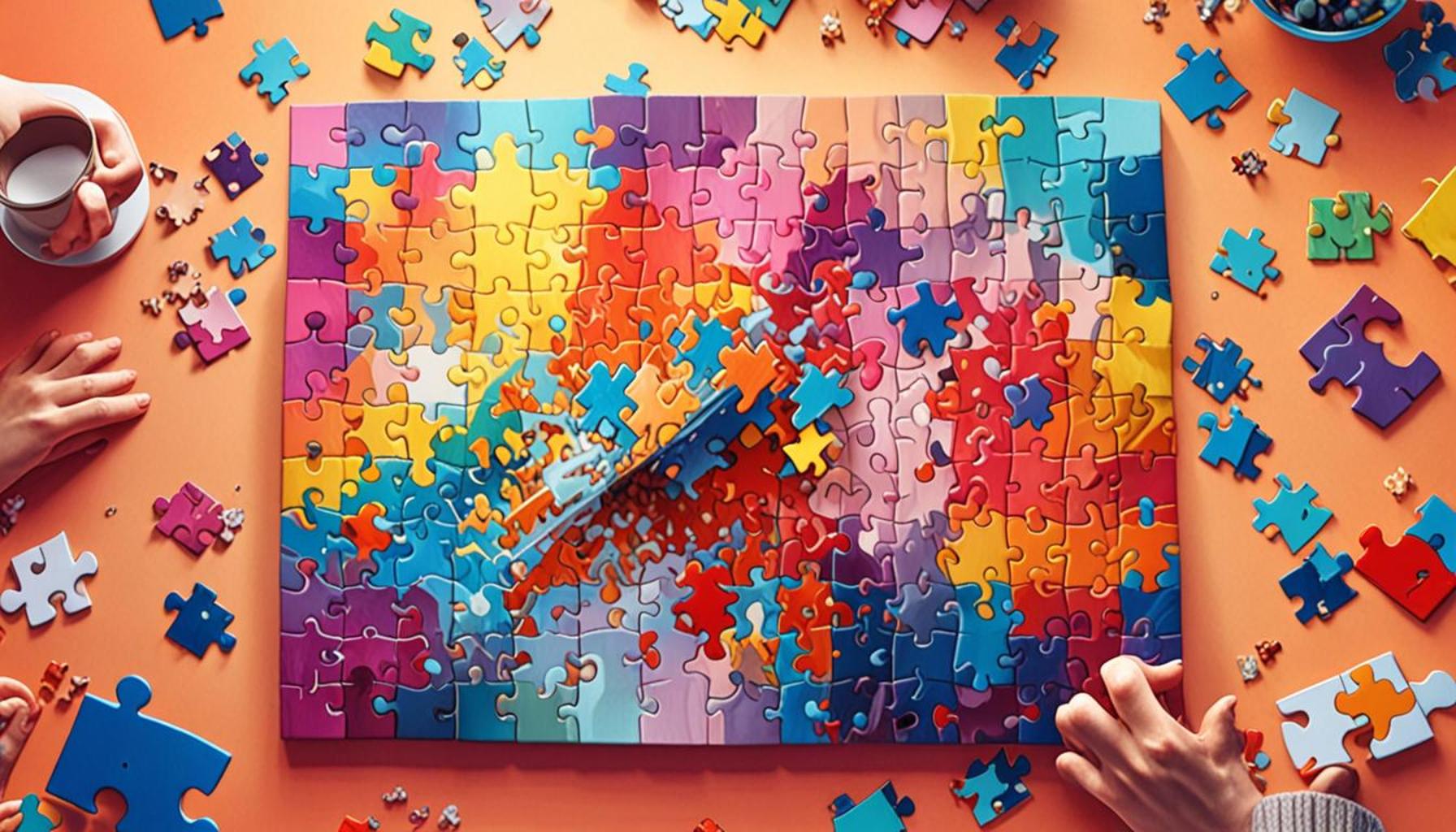
Puzzles have long captivated the minds of individuals across various age groups, serving as a delightful exercise for cognition and problem-solving skills. Recent studies are shedding light on how the color and design of these puzzles can profoundly impact memory retention. By exploring this relationship, educators, psychologists, and puzzle enthusiasts can gain valuable insights into enhancing learning and cognitive processes.
Color Psychology
The field of color psychology delves into how different hues influence emotions and behaviors. For example, bright colors like yellow are often associated with happiness and optimism, making them appealing for stimulating creativity. In contrast, warmer tones such as red can evoke feelings of excitement and urgency, which might energize a player tackling a challenging puzzle. Conversely, cooler colors like blue and green are known for their calming effects, helping to reduce anxiety and promote focus. This suggests that the selection of colors in puzzle design could directly affect an individual’s mood and motivation while solving, ultimately influencing their memory retention. A puzzle framed in serene blues might aid in clearer thought processes, while vibrant reds could spur quicker memory recall due to heightened energy levels.
Design Complexity
Another essential factor to consider is the complexity of a puzzle’s design, which can impact cognitive load. Puzzles featuring intricate, multifaceted patterns may increase the challenges of memory retention, as they demand more mental effort to process and remember details. Research indicates that when individuals encounter overly complex designs, their cognitive resources become stretched thin, potentially leading to frustration and decreased retention of the information being processed. In contrast, puzzles designed with simplicity and clarity can enhance recall by allowing the brain to focus on essential elements, effectively reducing the mental clutter that complicates memory pathways.
Visual Memory and Vibrancy
Scientific research into visual memory shows that vibrant colors create distinct mental images, thereby sharpening memory retention. When subjects engage with colorful puzzles, studies imply they are more likely to remember the pieces and their arrangement due to the visual stimulation that colors provide. The brain’s tendency to associate vivid imagery with emotion can lead to stronger retention of the puzzle-solving experience itself. For example, a puzzle depicting a colorful scene from the Grand Canyon might not only remain in memory longer due to its visual appeal, but the emotional context of the vibrant colors could enhance recall even more.
This ongoing investigation offers an exciting opportunity to deepen our understanding of how aesthetics influence cognitive processes. By highlighting the interplay between color, design, and memory retention, we can reconsider conventional learning tools and their potential. Educators can harness these insights to create more effective teaching methodologies, while puzzle designers might find innovative ways to engage and aid memory, prompting further exploration into the aesthetic dimensions of learning and cognitive enhancement.

DON’T MISS: Click here to unlock the secrets of cognitive skills!
Exploring the Connection Between Color and Memory
Understanding the impact of color on memory retention requires examining how hues affect the human brain. Colors are not merely visual stimuli; they play a significant role in cognitive processes and emotional responses. For instance, researchers have found that the brain processes colors in a way that can enhance memory retrieval. When vibrant hues are utilized in puzzles, they create a quick association mechanism, allowing players to encode memories more efficiently. Specifically, studies suggest that colors can evoke particular feelings or images that bolster recall. A puzzle containing a spectrum of bright colors may trigger an emotional response, thereby reinforcing memory consolidation.
The Role of Contrast in Design
Another fascinating aspect of puzzle design is the importance of contrast. High-contrast elements in a puzzle can assist in drawing attention to specific parts of the image, thus making it easier for the brain to anchor details in memory. When there is a strong visual distinction between colors, players are likely to remember their locations and significance better. For example, a jigsaw puzzle featuring a vibrant red apple on a contrasting green background effectively emphasizes the apple’s shape and placement, which can lead to improved memory retention. This scenario illustrates how effective design plays an integral role in helping players engage more deeply with the puzzle and its components.
Elements Contributing to Memory Retention
Several factors emerge as vital contributors to memory retention when analyzing puzzles, including:
- Color Saturation: Bright, saturated colors stand out more and can create vivid imagery in the brain.
- Pattern Recognition: Thinkers often benefit from patterns that engage their visual memory, especially in more complex designs.
- Emotionally Evocative Imagery: Puzzles depicting scenes that stir emotions can enhance memory retention through experiences attached to those feelings.
- Visual Clarity: Clear designs allow for easy navigation and recognition, minimizing cognitive strain.
Incorporating these elements into puzzle design not only makes them more enjoyable but can also substantially enhance the player’s ability to remember aspects of the puzzle. Importantly, understanding that memory is not a simple recall mechanism but rather a complex interplay of visual and emotional connections underscores the necessity of careful design considerations.
Connection to Educational Practices
As educators strive to adopt innovative teaching methodologies, recognizing how color and design can aid in memory retention may revolutionize approaches to learning. By incorporating well-designed puzzles that use color strategically, teachers might see improved outcomes in both engagement and memory recall among students. The implications reach beyond the classroom, as the insights gained from this research could also inform therapeutic practices, gaming design, and even marketing strategies. In a world where cognitive enhancement is increasingly valued, the exploration of color and design in puzzles stands as a promising frontier that merits further attention.
Exploring Color Psychology in Puzzle Design
Color is not merely an aesthetic choice in puzzle design; it plays a vital role in cognitive processes such as memory retention. Research indicates that different colors can evoke various emotional responses and influence cognitive performance. For instance, blue is often associated with calmness and focus, enhancing an individual’s ability to concentrate and remember information. In contrast, warmer colors like red can create feelings of urgency, which may either hinder or facilitate memory retention during puzzle-solving sessions. Furthermore, the design elements, such as contrast and brightness, significantly affect how puzzles are visually processed. A puzzle that achieves a high contrast between pieces can make it easier for players to visualize connections and patterns, thereby improving memory. This accessible formatting invites players to engage more deeply, contributing to the learning experience. Additionally, thematic elements and narratives infused within puzzle designs can anchor recollection. Puzzles that incorporate storytelling elements tend to hold players’ attention longer, making them more likely to remember details and solutions. By weaving these strategies into puzzle creation, designers can harness the power of color and design to not only enrich the puzzle-solving experience but also bolster cognitive skills, particularly memory. Anticipated results in studies show that participants exposed to visually stimulating puzzles demonstrate significantly improved memory retention when compared to their monochromatic counterparts. This evidence supports the idea that strategic use of color and design is crucial for creating puzzles that are not only enjoyable but also cognitively beneficial.
Table of Advantages Related to Color and Design in Puzzles
| Advantages | Impact on Memory Retention |
|---|---|
| Enhanced Focus | Colors like blue promote concentration, aiding in better memory recall. |
| Visual Connections | High contrast designs help in visualizing patterns, enhancing memorization. |
The relationship between color, design, and cognitive function within puzzles is more than just a fascinating subject; it is an ongoing exploration into how the visual aspects of puzzles can be optimized for learning and memory enhancement.
DIVE DEEPER: Click here to uncover more insights
Color Psychology and Puzzle Engagement
The psychology of color plays a significant role in how puzzles engage players and influence their memory. Research indicates that colors can evoke various psychological responses that may enhance cognitive function. For example, the color blue is often associated with calmness and focus, while yellow tends to stimulate feelings of happiness and energy. When puzzles incorporate these colors strategically, they can create an immersive experience that not only draws the player in but also helps optimize memory retention. A study conducted by the University of California suggests that engaging with blue-toned imagery allows individuals to remain concentrated longer, ultimately aiding their ability to recall puzzle elements.
Variability in Puzzle Complexity
The complexity of a puzzle can have a profound impact on both design and player memory retention. Simpler puzzles, often characterized by large pieces and straightforward imagery, typically utilize solid colors or basic patterns that may facilitate quick recognition. In contrast, more challenging puzzles feature intricate designs and varying color gradients, which can help boost cognitive engagement. A well-researched phenomenon known as the testing effect indicates that engaging with a more complex puzzle encourages deeper cognitive processing. This richer interaction can lead to improved long-term memory retention, as players actively work to decipher patterns and recall completed segments. This suggests that the balance between color, design complexity, and the players’ cognitive development is key in achieving optimal memory outcomes.
Impact of Cultural Perceptions on Color Usage
Interestingly, the effect of color in puzzles is not uniform across different cultures. Various societies attach unique meanings to colors that can significantly influence how individuals engage with visual materials. For instance, in Western cultures, red often signifies urgency or danger, while in certain Asian cultures, it may represent good fortune and joy. Understanding these cultural connotations can be crucial for puzzle designers aiming to appeal to diverse audiences. A puzzle that utilizes culturally relevant colors can lead to a more profound emotional connection, subsequently enhancing memory retention in players. For instance, a puzzle infused with colors that evoke nostalgia or cultural significance could lead to increased engagement and improved recall of the puzzle’s elements.
Technology and Interactive Design
With the growing popularity of digital puzzles and interactive applications, the integration of technology into design allows for a rich exploration of color and memory relationships. Digital puzzles can adapt color schemes and designs in real-time based on user preferences or performance levels. These dynamic elements can heighten engagement, keeping players intrigued while simultaneously fostering better memory retention. Moreover, features such as augmented reality (AR) can offer an innovative approach by blending physical components with digital enhancements, making color and design an even more significant factor in enriching the puzzle experience. As technology continues to evolve, the potential for blending art and cognitive psychology in puzzle design might usher in groundbreaking methodologies both in leisure and educational contexts.
DISCOVER MORE: Click here to enhance your skills
Conclusion
In summary, the exploration of color and design in puzzles offers fascinating insights into how these elements influence memory retention. The interplay of color psychology—where hues like blue and yellow evoke distinct cognitive responses—serves as a powerful tool for enhancing player engagement and focus. By understanding the variability in puzzle complexity, from simple designs to intricate challenges, we recognize that deeper cognitive engagement leads to improved long-term memory outcomes. Additionally, the impact of cultural perceptions on color choices emphasizes the importance of tailoring puzzle experiences to resonate with diverse audiences.
As the realm of technology continues to intertwine with traditional puzzle-solving, potential breakthroughs in interactive design may revolutionize how players interact with color and complexity. The integration of dynamic elements and augmented reality not only keeps players invested but also fosters a rich environment for memory enhancement. By marrying aesthetics with cognitive psychology, puzzle designers can create immersive experiences that not only entertain but also significantly bolster the cognitive functions of players.
Ultimately, understanding how color and design affect our cognitive abilities paves the way for innovative approaches to both leisure and educational puzzles. As we delve deeper into this realm, we invite future researchers and designers to explore the uncharted territories of how visual elements can be leveraged to cultivate not just enjoyment, but also meaningful memory retention in puzzle-solving.