
Integrating Mind Games into Daily Routines for Better Memory Function
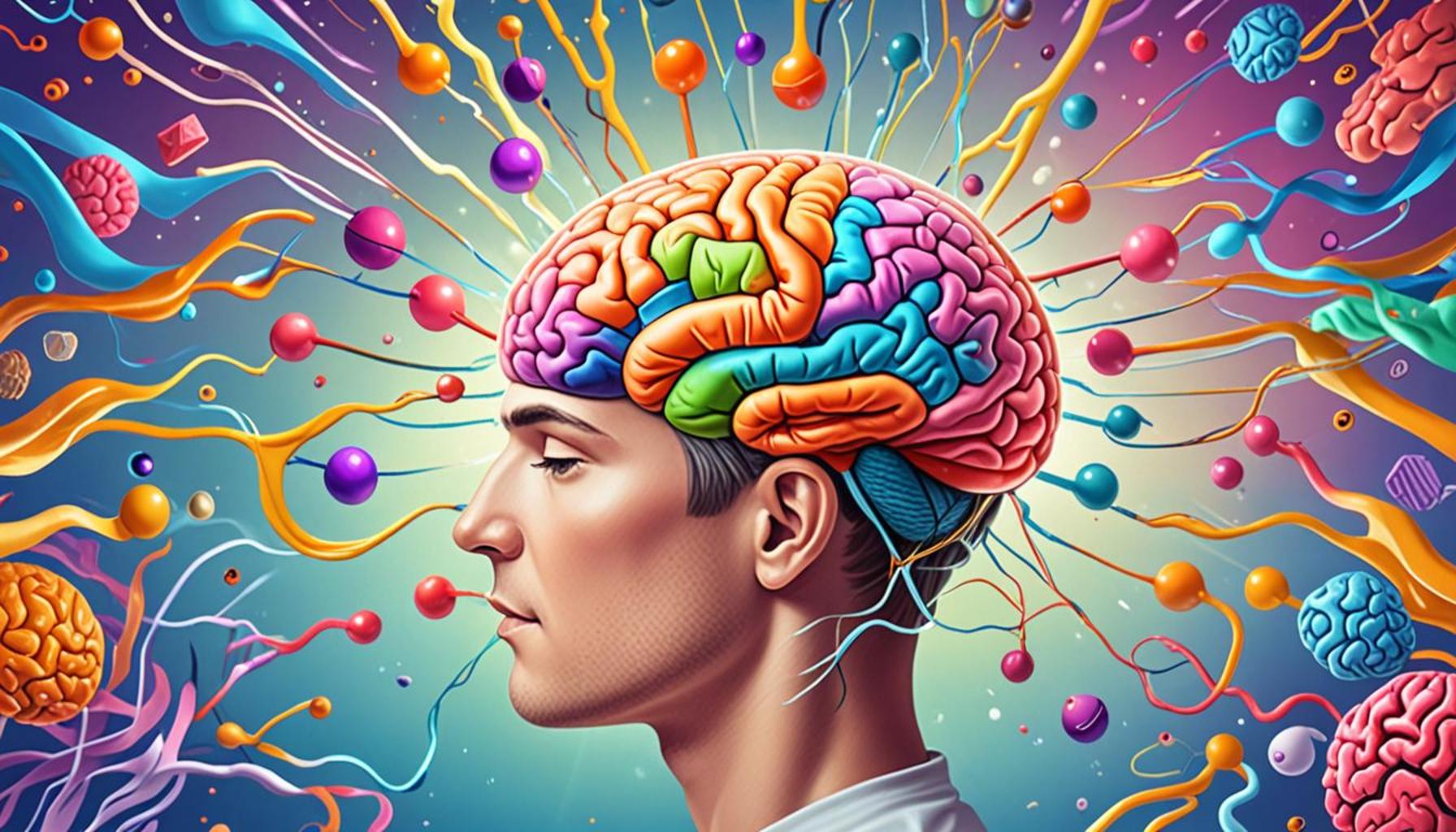
Enhancing Memory Through Engaging Activities
In our fast-paced digital world, memory can sometimes feel like a dwindling resource. Fortunately, integrating mind games into daily routines can serve as an effective strategy for boosting memory function. By incorporating these activities into everyday life, individuals can enhance cognitive abilities while having fun.
What are some of the benefits of mind games? The advantages of engaging in cognitive challenges extend beyond mere enjoyment; they contribute significantly to overall mental health and wellness. These benefits include:
- Improved Focus: Games that challenge attention enhance concentration skills. For instance, games like “Simon Says” or a simple round of “I Spy” can sharpen your ability to concentrate while also being enjoyable for groups.
- Increased Brain Plasticity: Engaging in diverse mental activities promotes neural growth and adaptability. Research suggests that activities stimulating various aspects of thought, such as strategy games like chess, encourage pathways in the brain that strengthen memory processes.
- Stress Relief: Fun and interactive games help reduce stress, providing mental clarity. Engaging in activities such as playing trivia or board games with friends can stimulate laughter and social interaction, which in turn releases endorphins and lowers stress levels.
Examples of activities to consider include:
- Puzzles: Crossword and Sudoku puzzles stimulate critical thinking and require both recall and application of knowledge. These challenges engage different regions of the brain and improve problem-solving skills.
- Memory Card Games: Games like “Concentration” enhance recall and recognition skills by requiring players to match pairs, which boosts both short-term and long-term memory.
- Apps and Digital Games: Platforms like Lumosity and Brain Age offer accessible training through a variety of exercises designed to target specific memory skills in an engaging way. These apps often adjust difficulty levels to ensure ongoing challenges.
Integrating these mind games into your routine doesn’t have to be time-consuming. A few minutes spent on cognitive challenges throughout the day can lead to significant improvements in memory retention. For example, setting aside just 10-15 minutes a day to tackle a crossword or engage with a brain-training app can compound over time, leading to lasting benefits. Additionally, incorporating these games into family gatherings or casual get-togethers can transform mundane moments into stimulating experiences.
As we explore the various types of mind games and how to seamlessly incorporate them into your lifestyle, you’ll discover new, enjoyable ways to keep your mind sharp and engaged. Not only does this approach foster memory enhancement, but it also provides an excellent opportunity to build connections with others while enjoying a shared activity that benefits everyone. It’s time to dive into the world of mind games and unlock your cognitive potential!
DISCOVER MORE: Click here for relaxation tips
Discovering Mind Games That Fit Your Lifestyle
As the pursuit of better memory function gains momentum, identifying and selecting the right mind games tailored to individual preferences and lifestyles is essential. The beauty of these cognitive activities lies in their diversity; they can range from challenging puzzles to engaging group games that encourage social interaction. Choosing the right fit not only boosts motivation but also ensures consistent practice, leading to improved cognitive performance.
To successfully integrate mind games into your daily routine, consider the following strategies:
- Incorporate into Daily Activities: Think about moments in your day that can be transformed into bite-sized cognitive exercises. For example, while waiting for your morning coffee to brew, you could spend a few minutes on a Sudoku puzzle or a word search. By adding these small activities into routine tasks, you can harness pockets of time that may otherwise go unused.
- Make it Social: Engaging friends or family members in mind games turns solitary activities into lively, interactive experiences. Planning a game night with trivia or board games not only serves as entertainment but also leverages the social benefits associated with collaboration, ultimately enhancing memory retention.
- Embrace Technology: In today’s digital landscape, numerous apps are designed to make cognitive training accessible and entertaining. Leveraging technology can make memory improvement engaging and user-friendly. Spending just a few minutes on an app like Peak or CogniFit can provide valuable training while easily fitting into your routine.
Beyond understanding the different categories of mind games and methodologies, it is crucial to evaluate your goals. Are you looking to enhance your recall ability in everyday tasks? Or perhaps you aim to improve your problem-solving skills? By pinpointing your objectives, you can better select games that target those specific areas effectively.
Moreover, the impact of regular cognitive exercise extends beyond memory enhancement. Research reveals that engaging in mentally stimulating activities can reduce the risk of cognitive decline in later years, serving as a preventive measure for conditions like dementia and Alzheimer’s. This makes the integration of mind games not only beneficial but necessary for long-term brain health.
As you begin to populate your daily life with these exciting brain-teasers, remember that persistence is key. Much like physical exercise, improving memory function requires regular practice and persistence. Start by dedicating just a few minutes a day, gradually increasing the duration as you become more comfortable with the activities.
The challenge lies in making these exercises a natural part of your daily routines. This could involve setting reminders to engage with an app during your commute or designating a few evenings a month for family game nights. Embracing this mindset will pave the way for not only enhanced memory function but a richer, more gratifying daily experience.
Integrating Mind Games into Daily Routines for Better Memory Function
Incorporating mind games into your daily life can significantly enhance memory function. By strategically placing these cognitive exercises into your routine, you can stimulate your brain, leading to improved mental agility and recall. Mind games such as puzzles, memory challenges, and problem-solving tasks engage various cognitive processes, contributing to an overall sharper mind. Let’s explore some advantages of integrating these games into your daily activities.
| Category | Benefits |
|---|---|
| Cognitive Flexibility | Mind games enhance your ability to adapt your thinking to new information and challenges, promoting better problem-solving skills. |
| Memory Enhancement | Engaging in regular mind games can enhance short and long-term memory, making it easier to retain information and recall it when needed. |
These advantages underscore the positive impact that integrating mind games into daily routines can have on memory function. Whether it’s during your morning coffee or relaxing in the evening, dedicating a few minutes to brain-training activities can yield substantial benefits. Explore various games and tools available online or in apps; their accessibility makes it easier than ever to start enhancing your cognitive abilities today. The journey to a sharper memory could be just a game away!
DIVE DEEPER: Click here to discover the therapeutic benefits of crossword puzzles
Creating an Engaging Mind Game Environment
Once you have discovered the mind games that resonate with your interests and daily routines, it’s time to establish a stimulating environment that promotes consistent engagement. The physical and psychological settings in which you play these games can significantly impact memory function and overall cognitive improvements.
Designate a Dedicated Space: Setting aside a specific area in your home or workplace for cognitive exercises can reinforce the habit. This space should be comfortable, free of distractions, and equipped with all the necessary materials—be it puzzles, board games, or your favorite app on a tablet. You may find that a cozy nook with proper lighting or a small table in your living room converts your mind game sessions into something to look forward to, rather than a chore.
Incorporate Variety: To keep the brain energized and avoid monotony, diversify the mind games you engage with. Switching between different types of puzzles—like crosswords, logic puzzles, and memory apps—can stimulate various cognitive functions and challenge different aspects of your memory. Engaging with varied content will prevent your brain from adapting too easily, allowing for a more significant cognitive impact. For instance, you might alternate between strategy games like chess and fast-paced memory games to stimulate both critical thinking and quick recall skills.
Track Your Progress: Monitoring your improvements can be a powerful motivator. Many apps include features that allow you to track your performance over time, providing insights into your strengths and areas for development. Even if you are using physical puzzles or board games, consider maintaining a journal to document your daily practices and any improvements in your problem-solving capabilities. Setting specific milestones and celebrating small victories helps reinforce the habit and keeps you engaged.
Blend Learning with Fun: Educational mind games can also be integrated into your routine. Trivia apps like QuizUp or interactive learning platforms can transform mundane learning processes into exciting games, ensuring that your cognitive workouts are both enjoyable and beneficial. Research indicates that learning new information while playing games enhances memory retention. By selecting topics you are passionate about—whether it’s history, science, or pop culture—you’ll likely find yourself absorbing facts without the pressure often associated with more traditional learning methods.
Utilize Group Dynamics: Team-based mind games can amplify the benefits of cognitive workouts when shared with peers. Join local clubs focused on strategy games, or participate in online forums and competitions. The interaction with others encourages deeper engagement and provides opportunities for collective problem-solving, which can stimulate creativity and enhance memory skills. Social elements introduce healthy competition and motivation, making the practice of mind exercises not only beneficial but also a communal and enjoyable activity.
Understand that the acute engagement with mind games can also be savored in unexpected places. Some individuals find success by practicing cognitive exercises in waiting rooms, during their daily commute, or while consuming their evening coffee. Recognizing moments of potential within your day can help weave mind games into the fabric of your lifestyle almost seamlessly.
As you build a dynamic and enriching environment for your mind games, remember that each step you take can be tailored to your unique daily rhythm. The fusion of enjoyment, consistency, and mindful practice sets the stage for long-term enhancements in memory function and cognitive health.
DISCOVER MORE: Click here to enhance your memory skills!
Embracing Cognitive Engagement for Lasting Benefits
In conclusion, integrating mind games into your daily routine is more than just a fun pastime; it is a powerful strategy for enhancing memory function and overall cognitive health. By creating a dedicated space, incorporating variety, tracking progress, blending learning with enjoyment, and embracing social dynamics, you can cultivate a rich environment that fosters mental agility. This holistic approach allows you to not only maximize the cognitive benefits but also nurture a sustainable habit that fits seamlessly into your lifestyle.
Research consistently shows that regular mental challenges are linked to improved memory retention and enhanced problem-solving skills. Therefore, when selecting mind games, focus on those that excite you and stimulate your curiosity. Whether it’s tackling a crossword puzzle during your morning coffee, participating in a trivia challenge with friends, or rotating between mobile apps, the key is engagement and consistency.
Additionally, by remaining mindful of your daily routines, you can ingeniously weave cognitive exercises into even the most mundane activities, transforming waiting periods or commutes into valuable brain workouts. Remember, every small interaction with these mind games is a step forward in your cognitive journey. The benefits of integrating mind games extend beyond simple memory challenges; they can improve your focus, creativity, and critical thinking.
As you embark on this journey, stay curious, set realistic goals, and celebrate your progress. By embracing the challenge of mind games, you not only enhance your memory function but also unlock a world of lifelong learning and intellectual growth. Explore new games, connect with others, and enjoy the process—your brain will thank you in the long run.