
How Puzzles Stimulate Cognitive Development in Children

The Cognitive Benefits of Puzzles for Children
Puzzles have long been a cherished activity for children and adults alike, but their benefits extend far beyond simple entertainment. Numerous studies indicate that engaging with puzzles is instrumental in promoting a range of cognitive development skills crucial for young learners. This engaging activity is not only enjoyable but also cultivates essential skills that lay the foundation for future academic and life success.
Problem Solving Skills
One of the most significant benefits of working on puzzles is the enhancement of problem-solving abilities. As children manipulate pieces to find the right fit, they become adept at critical thinking. For example, when faced with a challenging jigsaw puzzle, a child learns to analyze pieces, consider their shapes and colors, and strategize their next move. This process mirrors problem-solving in real-world situations, encouraging kids to become resourceful and resilient thinkers.
Spatial Awareness Development
Puzzles also play a crucial role in developing spatial awareness. By handling pieces, children begin to understand how different shapes interact in two-dimensional and three-dimensional spaces. For instance, when assembling a 3D puzzle, the child learns not just how shapes fit together, but also develops the ability to visualize outcomes and predict movements. Such skills are vital, especially in fields like mathematics, architecture, and engineering.
Memory Enhancement
Memory plays an integral part in puzzle-solving. Children engage their minds as they recall where specific pieces belong, thereby strengthening their memory skills. This practice of remembering locations and details translates into improved memory function in academic settings, as children learn to retain information better in subjects such as history and science.
Building Character and Focus
As children immerse themselves in puzzles, they naturally cultivate patience and perseverance—two virtues that are indispensable in the pursuit of knowledge and personal development. The satisfying conclusion of completing a puzzle can lead to heightened self-esteem and a sense of accomplishment. Furthermore, focusing on the task at hand helps to enhance their attention span. In an era where digital distractions are rampant, traditional puzzles offer a refreshing respite that encourages concentration and mindfulness.
A Variety of Puzzles for Exploration
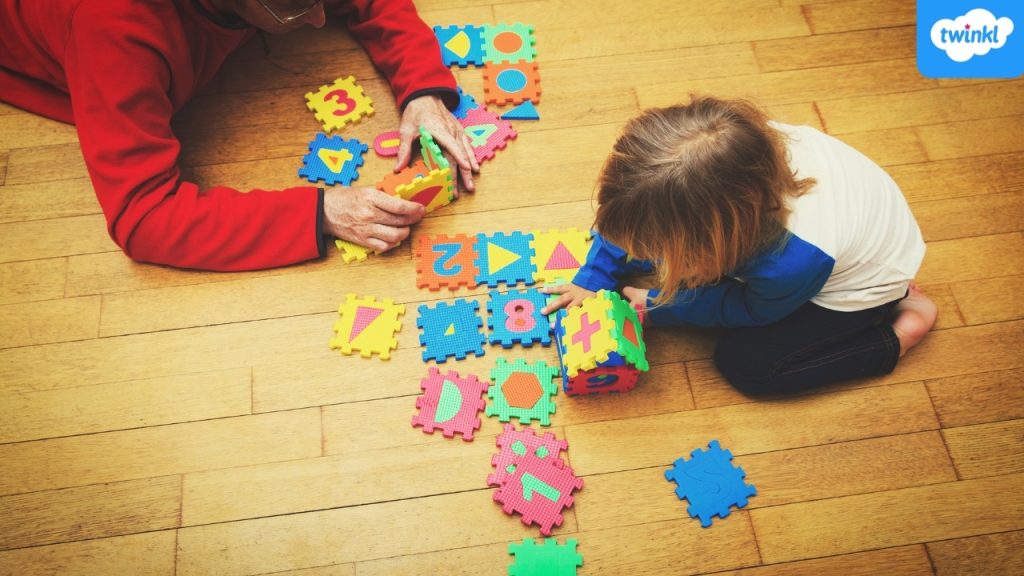
With an extensive array of puzzles available, from colorful jigsaw puzzles depicting vibrant landscapes to challenging 3D structures, parents and educators can easily find options that resonate with the interests and developmental levels of their children. These engaging activities can serve as excellent tools for facilitating learning outside the conventional classroom setting.
Understanding the profound impact of puzzles on cognitive development inspires parents and educators to embrace innovative educational tools. As children explore the world of puzzles, they unlock an array of cognitive skills, paving the way for a brighter future. The journey through interactive play brings to light the infinite potential that lies within every child, waiting to be discovered.
DIVE DEEPER: Click here to discover more
Unlocking Minds: The Multifaceted Benefits of Puzzles
Puzzles are more than just colorful pieces of entertainment; they serve as powerful tools for cognitive growth in children. This enriching activity provides not only a fun challenge but also an opportunity for skill-building in various domains of intelligence. During the process of putting pieces together, children engage multiple areas of their developing brains, honing skills that will serve them well throughout their educational journey and into adulthood.
Encouraging Logical Reasoning
A child’s journey through puzzles requires the application of logical reasoning. Each piece of a puzzle presents a question: Does this piece fit here? This simple yet profound inquiry initiates a chain of thought processes, encouraging children to evaluate their choices actively. For instance, as children work on a Sudoku puzzle, they learn to methodically eliminate possibilities and draw connections between numbers, honing their capacity for abstract thought. Such skills are invaluable, not only in math but also in everyday decision-making.
Emotional Intelligence and Social Skills
While many puzzles are solo endeavors, group puzzle activities have become increasingly popular, promoting social interaction among children. Collaborative problem solving fosters emotional intelligence; children learn to communicate effectively, recognize others’ perspectives, and develop empathy. Working together to complete a puzzle can lead to shared joy, disappointment, and interpersonal dynamics that teach valuable life lessons about cooperation and teamwork. Through this shared experience, children enhance their social skills and learn the importance of patience and compromise.
Fine Motor Skills Development
Beyond cognitive aspects, puzzles also significantly enhance a child’s fine motor skills. The act of grasping and manipulating small puzzle pieces allows children to strengthen the small muscles in their hands and fingers, which are critical for various daily tasks such as writing and self-care. Parents will find that engaging in puzzles is not only beneficial for mental skills but also plays a crucial role in developing physical coordination. Activities such as fitting pieces together or flipping them over require dexterity and control, which are essential for preschoolers and toddlers.
Tips for Maximizing Puzzle Time
To make the most out of puzzle time and ensure kids are reaping cognitive benefits, consider these tips:
- Select Age-Appropriate Puzzles: Choose puzzles that align with the child’s developmental stage; too easy can lead to boredom, while too difficult may cause frustration.
- Encourage Self-Discovery: Allow children to explore the puzzle independently before offering assistance, fostering self-reliance and confidence.
- Create a Puzzle Routine: Integrate puzzle time into daily routines to establish it as a regular learning activity, making it a part of their educational journey.
- Introduce Varied Puzzle Types: Encourage children to experiment with different kinds of puzzles, including word puzzles, logic puzzles, and 3D construction to keep their interest piqued.
The integration of puzzles into a child’s playtime cultivates a stimulating environment that promotes cognitive growth while ensuring engagement in the learning process. As parents and educators recognize these benefits, the rise in puzzle activities in homes and classrooms is a testament to their potency in shaping young minds for future challenges.
How Puzzles Enhance Cognitive Skills
When it comes to cognitive development in children, puzzles are often overlooked as simple games. However, they play a crucial role in enhancing a child’s problem-solving skills and critical thinking abilities. Engaging with puzzles necessitates a certain level of concentration and awareness, which stimulates various cognitive processes.
Fostering Spatial Awareness
One of the most significant benefits of puzzles is their ability to foster spatial awareness. As children manipulate pieces to fit them together, they develop an understanding of how different shapes fit into a larger framework. This skill translates into real-world scenarios, such as navigating spaces, organizing objects, and even understanding geometry concepts as they progress through their education.
Improving Memory
Puzzles also significantly contribute to memory enhancement. When children work on puzzles, they must remember where specific pieces are located and recognize patterns. This constant exercise helps in the formation of neural pathways that are essential for memory retention. By recalling specific piece placements or the colors of tiles, children practice and improve their memory span, which is beneficial in academic contexts.
| Category 1 | Category 2 |
|---|---|
| Cognitive Development | Puzzles enhance critical thinking and problem-solving skills. |
| Memory Improvement | Puzzles promote better memory retention through pattern recognition. |
Engaging with puzzles not only provides entertainment but opens doors to enhanced cognitive abilities. The multifaceted benefits of these activities extend far beyond leisure, laying substantial groundwork for future academic success and personal development. By introducing puzzles into playtime, parents and educators contribute significantly to the cognitive growth of children.
DISCOVER MORE: Click here to unlock the secrets of puzzles
Enhancing Problem-Solving Skills Through Puzzles
Engaging with puzzles offers children unique opportunities to strengthen their problem-solving skills. Each puzzle presents a set of challenges that must be navigated strategically. For instance, a jigsaw puzzle requires children to think critically about how each piece can interlock with others—a process that teaches them to assess spatial relationships and outcomes. This ability to analyze problems and devise solutions is foundational in subjects like science and engineering, creating a direct pathway to understanding complex concepts as they grow older.
Cognitive Flexibility and Adaptability
During puzzle completion, children are often faced with unexpected challenges, leading to the development of cognitive flexibility. When a piece does not fit where they anticipated, they must adapt their strategy—a skill that translates into real-world situations where conditions may shift unexpectedly. Research has shown that children who frequent engaging puzzle activities exhibit improved adaptability in academic settings and daily life. This enhanced capacity to shift thinking and approach problems from various angles will be invaluable in a rapidly changing world.
Boosting Memory and Concentration
Puzzles also play a significant role in enhancing a child’s memory and concentration. As children work to remember where they placed certain pieces, they engage their short-term memory while developing a visual-spatial recall that is beneficial across multiple platforms. Techniques such as recalling colors, shapes, and sequences contribute to strengthening neural pathways related to memory. Furthermore, sustained focus required to complete a puzzle fosters concentration, leading children to practice patience and perseverance. These skills echo throughout their academic work, where attention to detail becomes crucial.
Real-World Applications of Puzzle Skills
The skills cultivated through puzzle-solving are not confined to the realm of childhood play. They hold significant real-world applications that can shape a child’s future endeavors. For example, children who regularly engage in puzzles may find themselves better prepared for STEM-related fields, where analytical thinking and problem-solving are paramount. A study published in the journal Frontiers in Psychology indicates that engaging with puzzles can improve children’s performance in subjects like geometry and physics due to enhanced spatial reasoning skills. As they progress through school, these foundational skills help build confidence in problem-solving and analytical abilities needed for high school and beyond.
Encouraging Lifelong Learning
The benefits of puzzles extend far beyond childhood. As children develop a love for puzzles, they naturally fuel their curiosity, leading to a lifelong interest in learning. Research suggests that children who regularly engage in activities that stimulate cognitive development, such as puzzles, are more likely to maintain positive attitudes toward education. Such attitudes can result in lifelong learning habits that encourage exploration and creativity throughout their lives. Introducing varied puzzle types and challenging levels helps sustain this interest, ensuring that as children advance, their learning remains expansive and fruitful.
As evidence mounts regarding the critical role puzzles play in cognitive development, parents and educators alike must embrace this multifaceted form of engagement. By understanding the far-reaching impacts of puzzles—from problem-solving skills to fostering lifelong curiosity—adults can better support the cognitive growth journey of children, equipping them with the tools needed for future challenges.
DISCOVER MORE: Click here to enhance your mental clarity
Conclusion: The Power of Puzzles in Cognitive Growth
In a world increasingly driven by complex problem-solving and critical thinking, it becomes imperative to equip children with the necessary skills to navigate their futures gracefully. Puzzles serve as a uniquely engaging medium for fostering cognitive development in children, reinforcing essential skills such as problem-solving, cognitive flexibility, memory, and concentration. The ability to adapt to unexpected challenges during puzzle-solving is a crucial life skill that prepares children for ever-changing environments, both academically and personally.
Moreover, the impact of puzzles extends beyond immediate cognitive benefits, setting the foundation for real-world applications in STEM fields and beyond. As children learn to assess spatial relationships and devise strategies, they build confidence in their analytical abilities—opening doors to opportunities in careers that demand these competencies. The studies linking puzzle engagement with enhanced performance in subjects like math and science further emphasize the importance of integrating puzzles into educational routines.
By promoting a culture of curiosity and exploration, puzzles not only instill a love for learning but also encourage lifelong educational habits that yield profound benefits. As parents and educators recognize the significance of puzzles in cognitive development, they must champion this enjoyable and multifaceted activity, paving the way for brighter, more adaptable future generations. Embracing the art of puzzle-solving is more than just play; it’s a vital investment in a child’s intellectual journey.