
How Mind Games Can Improve Memory Retention in Adults
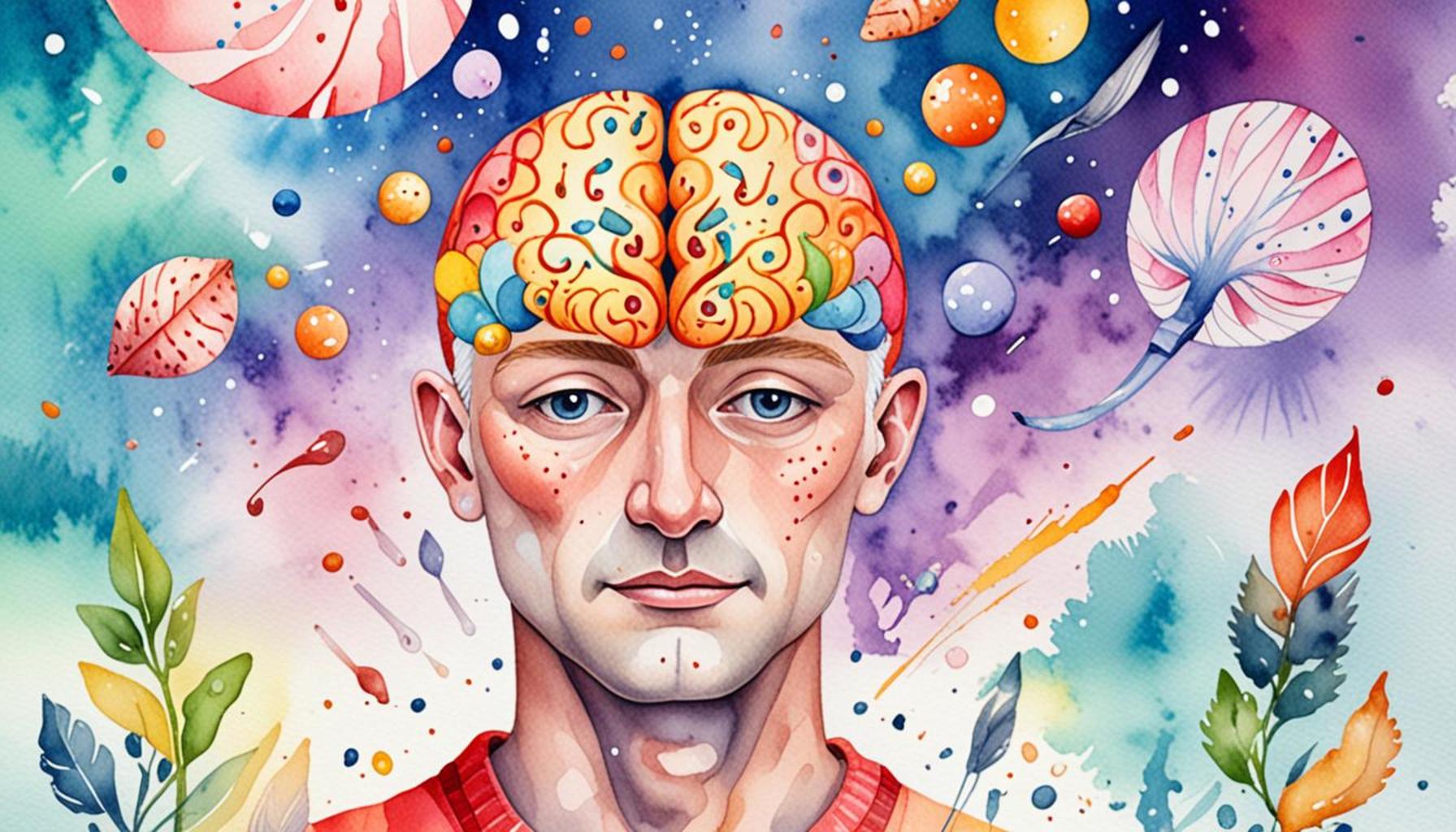
The Importance of Mind Games for Mental Acuity
In a world swarmed with information—from emails to social media notifications—maintaining mental sharpness has become more crucial than ever. Adults across various demographic lines are increasingly turning to mind games as a means to sharpen their cognitive abilities and improve memory retention. By intentionally integrating these stimulating activities into daily life, individuals can unlock their cognitive potential and support their brain health.
Understanding Mind Games
What exactly qualifies as a mind game? These are activities tailored to challenge the brain by engaging various cognitive functions. Here are some popular examples:
- Crossword puzzles – These not only enhance vocabulary skills but also improve recall abilities, thus boosting memory. Many people set aside time each week to tackle puzzles in newspapers or digital formats.
- Memory games – Often played with cards or apps, these games strengthen recognition and concentration skills. They require players to remember the locations of pairs or sequences, offering a fun way to sharpen focus.
- Sudoku – This popular number-placement puzzle stimulates logical reasoning and problem-solving skills. It encourages strategic thought, as players must analyze patterns and make decisions based on limited information.
- Brain-training apps – Various apps, such as Lumosity and Peak, provide customized exercises focused on specific areas of cognitive improvement, including memory. These apps use gamification to keep users engaged and motivated.
The Cognitive Benefits of Engaging in Mind Games
Numerous studies have shown that regular participation in mind games translates to significant cognitive advantages. Specifically, engaging in these activities can:
- Strengthen neural connections – This increased connectivity enhances communication between different regions of the brain, leading to improved function.
- Delay cognitive decline – Research has indicated that seniors who actively engage in cognitive games tend to show slower rates of decline in memory and overall brain health.
- Enhance overall brain function – Activities that stimulate the brain can improve attention span, processing speed, and even creativity, making them useful not just for memory but for many cognitive areas.
With the wide array of available mind games, incorporating these into your daily routine is an accessible and enjoyable way to enhance memory and promote brain health. Whether it’s a daily crossword puzzle over morning coffee or a quick session on a mobile app during your commute, these little moments of mental exercise can build up over time, leading to long-term cognitive benefits. As we delve deeper into the science and strategies behind these games, the path to improved mental acuity becomes clearer, showcasing a world of potential for anyone willing to embrace these engaging challenges.
DISCOVER MORE: Click here to learn about the benefits of mindfulness through crossword puzzles
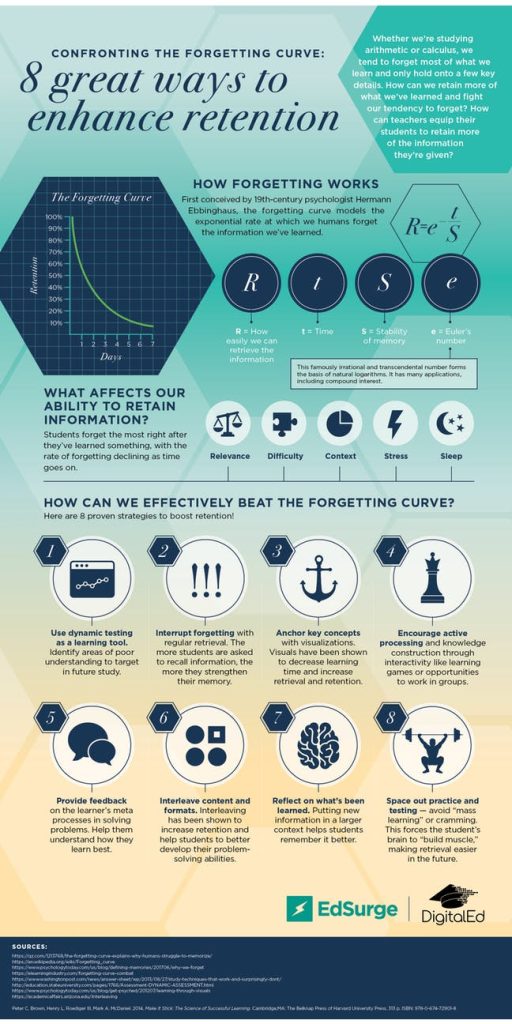
Exploring How Mind Games Boost Memory Retention
Mental workouts have gained traction as a fun and effective way to cultivate sharper memory skills among adults. Engaging in mind games not only entertains but also encourages the brain to synthesize and retain information more effectively. As research continues to underscore the strong link between cognitive engagement and memory retention, individuals are looking for ways to incorporate such games into their everyday lives. The benefits are evident: an investment in mind games can yield substantial returns in terms of memory enhancement and overall cognitive health.
The Science Behind Memory Formation
Understanding memory retention begins with recognizing how the brain processes and consolidates information. Memory formation occurs in several stages, including encoding, storage, and retrieval. Mind games actively engage these processes, providing a structured way for the brain to practice and refine its skills. By regularly challenging oneself with complex tasks, adults stimulate areas of the brain responsible for memory, enhancing both short-term and long-term recall.
- Encoding: Mind games help players actively take in information and attach meanings, thus making it easier to retrieve later. Whether it’s remembering a challenging crossword clue or recognizing patterns in Sudoku, the brain builds new associations that aid in recall.
- Storage: Engaging in cognitive activities promotes the formation of new neural pathways. The more frequently these pathways are used—through consistent practice—the stronger they become, leading to more reliable storage of memories.
- Retrieval: Repeated exposure to memory tasks improves a person’s ability to access information quickly. This retrieval practice is critical for reinforcing memory and ensuring knowledge remains at the forefront of one’s mind.
Practical Examples of Using Mind Games for Memory Improvement
Incorporating mind games into your routine can be both enjoyable and beneficial. Here are some practical examples of how to leverage these games for memory retention:
- Daily Puzzle Challenges: Set aside a few minutes each day to solve puzzles such as crosswords or brain teasers. This consistent practice not only makes memory activities habitual but also rewards the mind with the joy of accomplishment.
- Social Game Nights: Organizing game nights with friends or family can turn memory-based activities into a social event. Games like Trivia or even classic board games promote healthy competition and multi-faceted cognitive engagement.
- Mind Apps on the Go: Downloading brain-training apps on mobile devices enables you to make the most of idle moments, like waiting in line or during a commute. These quick, intense sessions can easily slot into daily life while keeping your brain active.
Understanding how mind games synergize with the brain’s functions lays the groundwork for adults seeking to enhance their memory. By acknowledging the cognitive benefits and integrating enjoyable challenges, anyone can work towards better memory retention—and have fun while doing it. As we explore more about specific game mechanics and advanced strategies, the potential for personal mental growth only increases.
| Category | Key Features |
|---|---|
| Cognitive Benefits | Mind games like puzzles and memory challenges enhance critical thinking skills and boost brain capacity. |
| Mental Stimulation | Engaging in these games can lead to a significant increase in neural connections, which is vital for maintaining a sharp mind as one ages. |
As adults age, memory retention often diminishes, leading to a quest for strategies that can enhance cognitive function. Among these strategies, mind games serve as a compelling solution. Not only are they enjoyable, but their interactive nature can trigger neuroplasticity—the brain’s ability to form and reorganize synaptic connections. For instance, solving crosswords or engaging in number puzzles can promote both memory recall and information processing speed.Moreover, mind games have been linked to reducing stress and anxiety. Flipping the narrative, as these games demand attention and focus, they distract from daily worries, creating a conducive environment for memory enhancement. Additionally, studies suggest that regular participation in such activities can delay the onset of cognitive decline associated with age-related conditions, thus making them a worthwhile investment of time for anyone looking to maintain their mental acuity.
DISCOVER MORE: Click here to learn about Sudoku’s stress-relieving effects
Mind Games: Types and Their Unique Benefits for Memory Retention
Diving deeper into the world of mind games, it’s essential to explore the various types of games that can sharpen memory retention. Each type presents unique challenges that target different aspects of cognition, ultimately playing a pivotal role in enhancing memory. From logic puzzles to memory card games, understanding how these games function can provide insights into their effectiveness in boosting memory retention.
Cognitive Challenges That Engage Different Memory Skills
Mind games come in diverse formats, providing various cognitive challenges. Here are some popular types and their specific advantages:
- Memory Card Games: These games, such as Concentration or Memory Match, train adults to improve their visual memory skills. Players must recall the location of matched cards, which effectively enhances memory encoding and retrieval processes. By repeating these tasks, adults develop better spatial awareness and recall capabilities.
- Logic Puzzles: Engaging with puzzles like Sudoku or logic grid puzzles sharpens analytical skills while fostering memory retention. The need to remember previous numbers or logical connections builds stronger neural pathways, enhancing the storage aspect of memory formation.
- Trivia Games: Involving both individual and group formats, trivia games stimulate verbal memory. Adults are prompted to recall facts from various domains, such as history, geography, or pop culture, reinforcing both short-term and long-term memory through active retrieval practices.
- Storytelling and Word Association Games: These games, such as storytelling based on random words or improvised narratives, challenge players to use their creativity while enhancing their associative memory. The brain forms connections between ideas and words, which bolsters encoding and retention.
The Role of Mind Games in Aging and Memory Preservation
Aging is often accompanied by memory challenges, but research shows that mind games can combat cognitive decline. A growing body of evidence suggests that adults who regularly engage in mental exercises exhibit slower rates of memory deterioration. According to a study from the American Academy of Neurology, individuals over 50 who participated in cognitive training saw significant improvements in their memory compared to those who did not engage in similar activities.
Furthermore, the competitive aspect of mind games can lead to increased motivation. Engaging with others not only adds a fun, social dimension but also encourages individuals to push their cognitive limits. The challenge of competing or collaborating with friends or family can lead to higher engagement levels, ensuring that adults stay engaged in these memory-boosting activities.
Building a Personalized Mind Game Routine
Creating a personalized mind game routine tailored to individual preferences can enhance the likelihood of sustained engagement. Here are some tips to optimize the experience:
- Set Regular Goals: Establish specific daily or weekly goals for mind game activities. Whether it be completing a certain number of puzzles or spending time each week on a trivia app, setting achievable targets encourages consistency.
- Mix It Up: Try a variety of games to keep the experience fresh and enjoyable. Rotating between different types of mind games prevents boredom and continuously challenges the brain in new ways.
- Track Progress: Keeping a journal of achievements or improvements can provide motivation as players can see their cognitive growth in action. Noting how memory recall improves over time reinforces the benefits of continued practice.
By exploring various types of mind games and incorporating them into a structured routine, adults can create an enriching environment that fosters improved memory retention. Each game offers a unique set of challenges, making cognitive enhancement not just effective but also engaging and fun. As the exploration of mind games unfolds, the potential for maintaining sharp memory in adulthood expands significantly.
DIVE DEEPER: Click here to uncover the secrets
Conclusion
In summary, the exploration of how mind games can improve memory retention in adults reveals a compelling narrative about cognitive enhancement through play. The diverse range of games, from memory card games to trivia exercises, not only provides entertainment but also serves as powerful tools for mental agility. Engaging regularly in these games facilitates the strengthening of neural pathways, ultimately enhancing various memory skills crucial for everyday life.
Furthermore, as adults age, the role of mind games becomes even more significant. With studies illustrating the effects of cognitive training on slowing down memory deterioration, individuals can adopt a proactive approach to preserving their cognitive health. This lifestyle shift not only promotes memory retention but fosters social interaction and competition, adding an enjoyable dimension to cognitive exercises.
As readers consider their options, they are encouraged to embrace a personalized routine that incorporates various mind games, tracking their progress and celebrating improvements along the way. Whether played alone or with others, these exercises not only challenge the mind but can redefine the way we perceive aging and cognitive decline. Ultimately, the path to a sharper memory and enriched cognitive function lies not just in hard work, but in the joy of play, making the journey of discovery both enlightening and fun.