How crossword puzzles can improve memory and concentration in people over 60 years old
The Power of Puzzles: A Cognitive Lifesaver
In a world that demands quick thinking and rapid responses, maintaining sharp cognitive abilities is essential, particularly for seniors aged 60 and above. As individuals age, they may find their cognitive functions, such as memory and concentration, begin to wane. However, engaging in puzzles like crossword puzzles offers a stimulating and enjoyable means to enhance mental alertness and cognitive resilience.
- Stimulating Brain Activity: Regularly engaging in crossword puzzles activates numerous cognitive processes, from memory recall to pattern recognition. Studies have shown that tasks that challenge the brain can create new neural connections, thereby potentially staving off cognitive decline.
- Enhancing Vocabulary: Crossword puzzles provide exposure to a rich tapestry of new words and concepts. For instance, an average crossword puzzle may include obscure terms from literature, science, or geography, expanding a player’s vocabulary and knowledge base.
- Improving Problem-Solving Skills: The process of deducing answers encourages lateral thinking, promoting flexibility in thought processes. Players often find that the skills developed through solving puzzles can be applied to real-life scenarios, from everyday decision-making to strategic planning.
Research corroborates the cognitive benefits of engaging in mentally stimulating activities such as crossword puzzles. A study published in the journal “Neurology” indicated that participants who engaged in challenging mental exercises regularly exhibited a slower rate of cognitive decline compared to their less-active peers. Furthermore, seniors who engaged consistently in these puzzles reported significant improvements in their memory and attention span, which are essential for maintaining independence and quality of life.
In addition to cognitive benefits, solving crossword puzzles instills a sense of accomplishment. Completing even a single puzzle can ignite feelings of success and boost self-esteem. This emotional uplift is particularly valuable for older adults, as it promotes a overall well-being and a positive outlook on life.
Crossword puzzles also foster social interaction; they can be enjoyed individually or shared with friends and family members. Many communities even host puzzle-solving clubs, turning an enjoyable pastime into a social activity that combats loneliness. Thus, for those seeking a fulfilling and entertaining way to keep their minds sharp, crossword puzzles may very well hold the key to enhancing mental faculties and enriching life at any age.
DISCOVER MORE: Click here to learn how puzzle-solving can enhance children’s cognitive skills
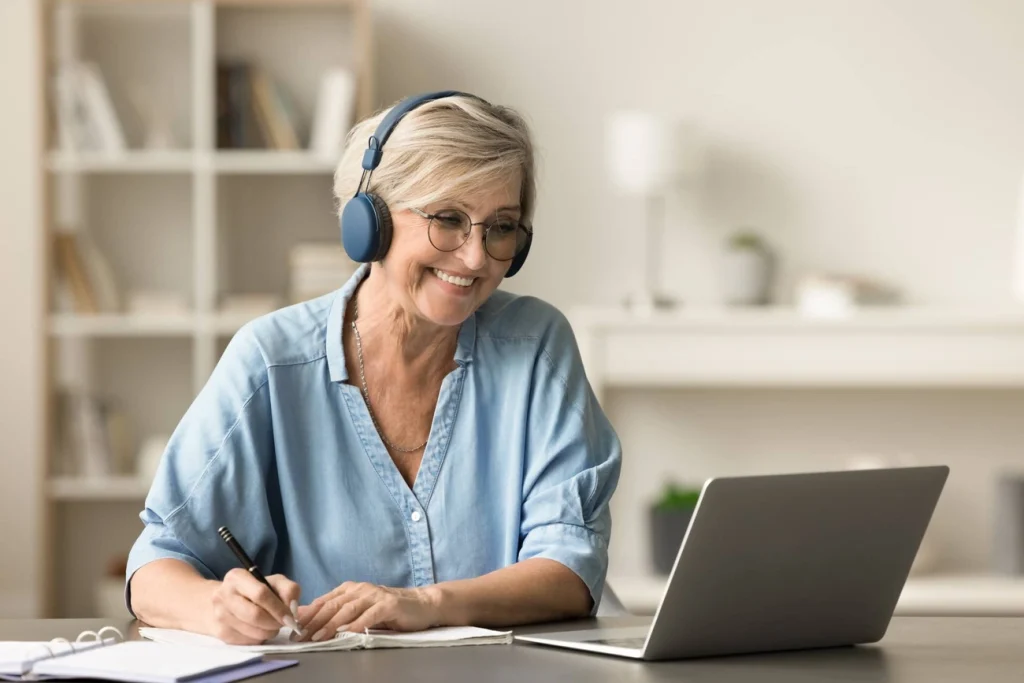
The Power of Crossword Puzzles in Cognitive Health
The aging population is increasingly recognizing the importance of mental engagement in maintaining cognitive health. As individuals surpass the age of 60, they can turn to enjoyable and mentally stimulating activities to combat cognitive decline, with crossword puzzles standing out as particularly beneficial. Beyond mere entertainment, crossword puzzles engage various cognitive functions, transforming the pastime into a significant tool for improving memory and concentration.
Regularly engaging in crossword puzzles keeps the brain active, which is crucial for preserving cognitive abilities as one ages. These puzzles require not only the recall of vocabulary but also an understanding of nuanced language patterns and contextual clues. This multi-faceted engagement activates multiple brain regions simultaneously, enhancing memory retention and overall mental agility. In fact, studies suggest that seniors who regularly work on crossword puzzles can see notable improvements in cognitive performance, including increased problem-solving skills and quicker information processing.
Key Cognitive Benefits of Crossword Puzzles
- Memory Enhancement: Solving crossword puzzles engages an individual’s existing knowledge, challenging them to recall words, historical events, and geographical names. This exercise strengthens neural pathways and makes it easier to store new memories. A notable study published in the journal Neurology highlighted that adults who routinely engage in crossword puzzles score higher on memory tests, showcasing a correlation between puzzle-solving and memory retention.
- Increased Concentration: Successfully completing a crossword requires intense focus and attention to detail. As seniors devote time to finding answers, their ability to concentrate is sharpened. This enhanced focus can have positive implications for various aspects of daily life, making activities such as reading or even conversing more enjoyable and manageable.
- Stress Reduction: The satisfaction derived from completing a crossword puzzle can lead to stress reduction. When users finish a puzzle, the release of dopamine boosts mood and heightens relaxation—a vital counterbalance for older adults who might grapple with isolation, depression, or anxiety. Even the American Psychological Association underscores the importance of engaging in relaxing activities, such as puzzle-solving, for mental well-being.
Another remarkable aspect of crossword puzzles is their potential for social interaction. Many seniors enjoy dedicating time to solve puzzles in a group setting—be it with friends at a local café or during family gatherings. This communal approach not only enhances the cognitive experience through shared knowledge and discussion but also reduces feelings of loneliness. Collaborative puzzle-solving can lead to in-depth conversations about trivia and language, which further fosters mental engagement and social bonding.
In conclusion, incorporating crossword puzzles into the daily routine of seniors serves as a powerful, multi-faceted approach to promoting mental wellness. By nurturing their memory and concentration, older adults can enhance their quality of life, leading to greater independence and cognitive vitality. As research continues to shed light on the significance of cognitive fitness, prioritizing crossword puzzles offers a simple yet impactful pathway to active aging, urging seniors to embrace this activity not just for fun, but for profound mental health benefits.
| Memory Enhancement | Cognitive Engagement |
|---|---|
| Stimulates Brain Activity | Encourages Problem-Solving Skills |
| Crossword puzzles increase information retention and help strengthen connections in the brain, which is particularly beneficial for those over 60. | By regularly engaging in crossword puzzles, individuals maintain and sharpen their mental faculties, enhancing overall cognitive function. |
Crossword puzzles not only provide a fun pastime but serve as an exceptional tool for memory enhancement and cognitive engagement, particularly for individuals aged 60 and above. As these puzzles challenge users to retrieve vocabulary and recall information, they play a vital role in maintaining memory function. Research suggests that regularly solving crosswords can mitigate age-related memory decline. Additionally, the problem-solving nature of crosswords encourages critical thinking skills while fostering a rewarding sense of accomplishment. This often leads to enhanced focus and better concentration over time. Furthermore, the social aspect of solving puzzles either independently or with family and friends can boost mood and fortify mental health. Engaging in such mental exercises can keep the mind agile and promote a sense of purpose, enabling seniors to cherish creativity at any age. By embracing the challenge of crossword puzzles, older adults can significantly contribute to their cognitive well-being.
DIVE DEEPER: Click here to unlock the secrets of problem-solving
Crossword Puzzles as a Lifelong Cognitive Workout
As individuals age, the brain’s plasticity—its ability to adapt and form new connections—begins to diminish. However, consistent engagement in activities like crossword puzzles can significantly counteract this decline. Beyond basic recall and concentration, crossword puzzles encourage seniors to traverse through a mental workout that bolsters critical thinking and creativity.
One of the unique aspects of crossword puzzles is their demand for lateral thinking. Unlike straightforward memory tasks, these puzzles force individuals to think outside the box, drawing from a wide range of backgrounds and experiences. The need to interpret clues, many of which can be ambiguous or metaphorical, fosters a dynamic mental environment. This practice not only sharpens cognitive abilities but also enhances adaptability in everyday problem-solving situations, a skill that becomes increasingly essential in life’s later stages.
The Role of Routine in Cognitive Maintenance
Establishing a regular routine that incorporates crossword puzzles can yield cumulative benefits. Much like physical exercise contributes to bodily health, a consistent mental regimen is vital for neuroplasticity and cognitive resilience. Implementing a daily crossword puzzle challenge can transform into a ritual that not only enhances memory and concentration but also sets the tone for a productive day. This daily mental exercise can pave the way for improved mood and increased energy levels, creating a positive feedback loop that enriches overall well-being.
Research from the Journal of the International Neuropsychological Society reinforces this idea, indicating that individuals who engage in mentally stimulating activities, including puzzles, show a slower rate of cognitive decline. The synchronous engagement of various brain areas during puzzle-solving reaffirms its status as an effective cognitive training tool. Additionally, this routine cultivates discipline, which can carry over into other aspects of life, empowering seniors to pursue additional learning opportunities or hobbies.
Crosswords and Emotional Health
Besides cognitive benefits, crossword puzzles provide substantial emotional benefits that can enhance mental well-being. Engaging with puzzles encourages a sense of accomplishment, particularly when one successfully completes a challenging grid. This small victory contributes to a positive self-image and increases motivation, reducing feelings of helplessness that may accompany aging. Collaborative crossword-solving can strengthen social bonds and create a shared sense of achievement, promoting camaraderie among family members and friends.
Moreover, the potential of crossword puzzles to invoke nostalgia is invaluable. Clues that reference historical events, cultural icons, or familiar locations can elicit fond memories, helping seniors reminisce and share stories with loved ones. This nostalgic connection not only strengthens familial ties but also aids in memory recall, encouraging seniors to remain engaged and communicative.
It is evident that crossword puzzles do more than simply fill leisure time; they represent a holistic approach to enhancing cognitive health in seniors. By continuously fostering memory and concentration, crossword puzzles adapt to suit adults over 60, reaffirming their importance as a cherished tool in the journey of aging gracefully. As the popularity of such puzzles rises, the cognitive benefits linked to them may encourage more individuals to embrace this enriching pastime, ensuring that more seniors remain mentally active and socially engaged.
DISCOVER MORE: Click here to learn about the importance of memory games
Conclusion: Embracing the Power of Crossword Puzzles
In summary, engaging with crossword puzzles presents a plethora of benefits for individuals over 60, offering a unique mix of cognitive and emotional support that can significantly enhance memory and concentration. As explored throughout this article, these puzzles are not merely a pastime but a multifaceted tool that actively promotes brain health. The mental exercise involved in decoding clues and solving puzzles stimulates critical thinking, lateral reasoning, and creativity, fostering a vibrant environment for cognitive resilience.
Additionally, the routine integration of crossword puzzles into daily life serves as a form of mental workout, proactively combating cognitive decline attributed to aging. By establishing a small yet impactful daily ritual, seniors can experience marked improvements in mood, energy, and overall mental well-being. The social aspect of solving crosswords with family and friends further augments these benefits, creating bonds and promoting interpersonal communication that enrich golden years.
Ultimately, tackling crossword puzzles serves as a reminder that mental agility is attainable regardless of age. This engaging activity not only staves off mental fatigue but also nurtures nostalgic reminiscence, helping seniors connect with cherished memories and share their experiences. As we consider the profound implications of sustaining mental health during aging, it is invigorating to recognize that something as simple as a crossword can hold the key to a more fulfilling and engaged life. So, let us embrace the challenge of crosswords and unlock the cognitive treasures they offer, ensuring a vibrant and active mind well into the golden years.