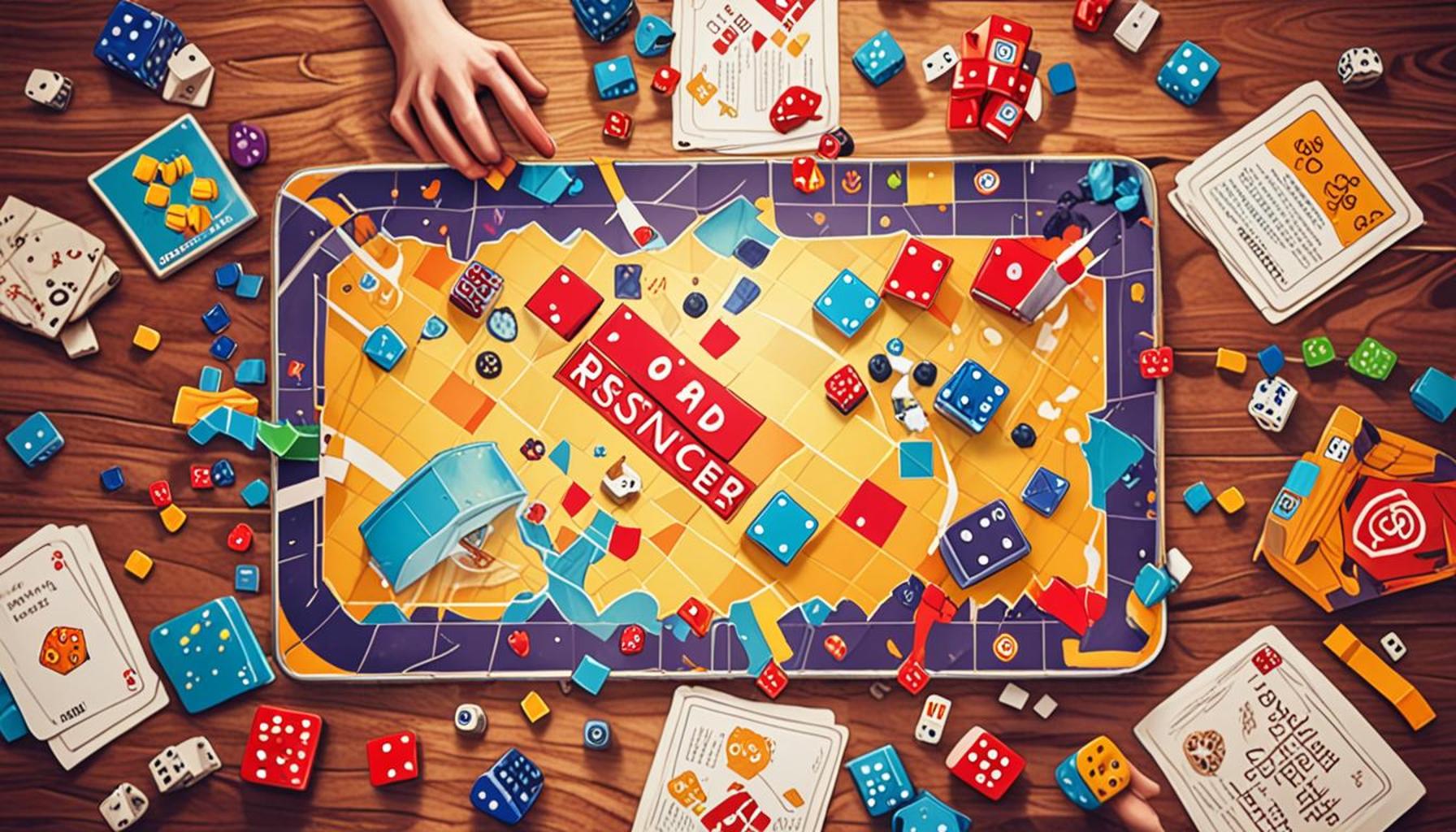
Effective Strategies for Solving Challenges in Board Games

The Multifaceted Benefits of Board Gaming
Board games have evolved from simple pastimes into intricate systems that foster critical thinking and strategic planning. They offer players a unique opportunity to engage with complex scenarios that hone problem-solving skills and encourage creativity in overcoming various challenges. Engaging in these intellectually stimulating activities can also enhance social interactions, making board games not just a leisure activity, but an enriching part of social life.
Understanding Game Mechanics
To excel at board games, analyzing game mechanics is crucial. Every game has a set of rules that govern how it is played, and understanding these intricacies can reveal potential advantages. For instance, in games like chess, knowing the value of pieces and common opening strategies can set the stage for an upper hand. Similarly, in cooperative games like Pandemic, awareness of each character’s unique role allows for optimized teamwork, helping players tackle crises with greater effectiveness. A deep comprehension of game mechanics not only informs decision-making but can also enhance the overall enjoyment of the game.
Being Observant: The Importance of Studying Opponents
Another invaluable strategy is to study opponents. Observing how your opponents play can reveal their strengths and weaknesses. For example, in a game like Monopoly, a player who frequently invests heavily in certain properties might prioritize quick cash flow over building a strategically placed empire. By identifying these patterns, you can adjust your strategy accordingly, such as avoiding trades that would benefit them or targeting their weak spots. This level of engagement adds a layer of depth to the game, creating a more dynamic contest.
Planning for the Future
In the realm of board gaming, planning ahead can be the difference between victory and defeat. Unlike video games, where instant responses are often possible, board games require deliberate thought and foresight. Players who can formulate long-term strategies, rather than reacting impulsively to each move, frequently find success. For example, in games like Magic: The Gathering, having a well-thought-out deck strategy can lead to more consistent wins, setting players up for a successful series of matches.
The Power of Collaboration
In cooperative board games, where players work alongside each other to achieve a mutual goal, success often hinges on collaboration. Games like Forbidden Island demand that all players communicate effectively and utilize their individual strengths to overcome shared challenges. This teamwork not only enhances gameplay but deepens friendships and fosters a sense of community among players. Effective collaboration can often turn the tide of the game, showing that sometimes, working together is the best strategy.
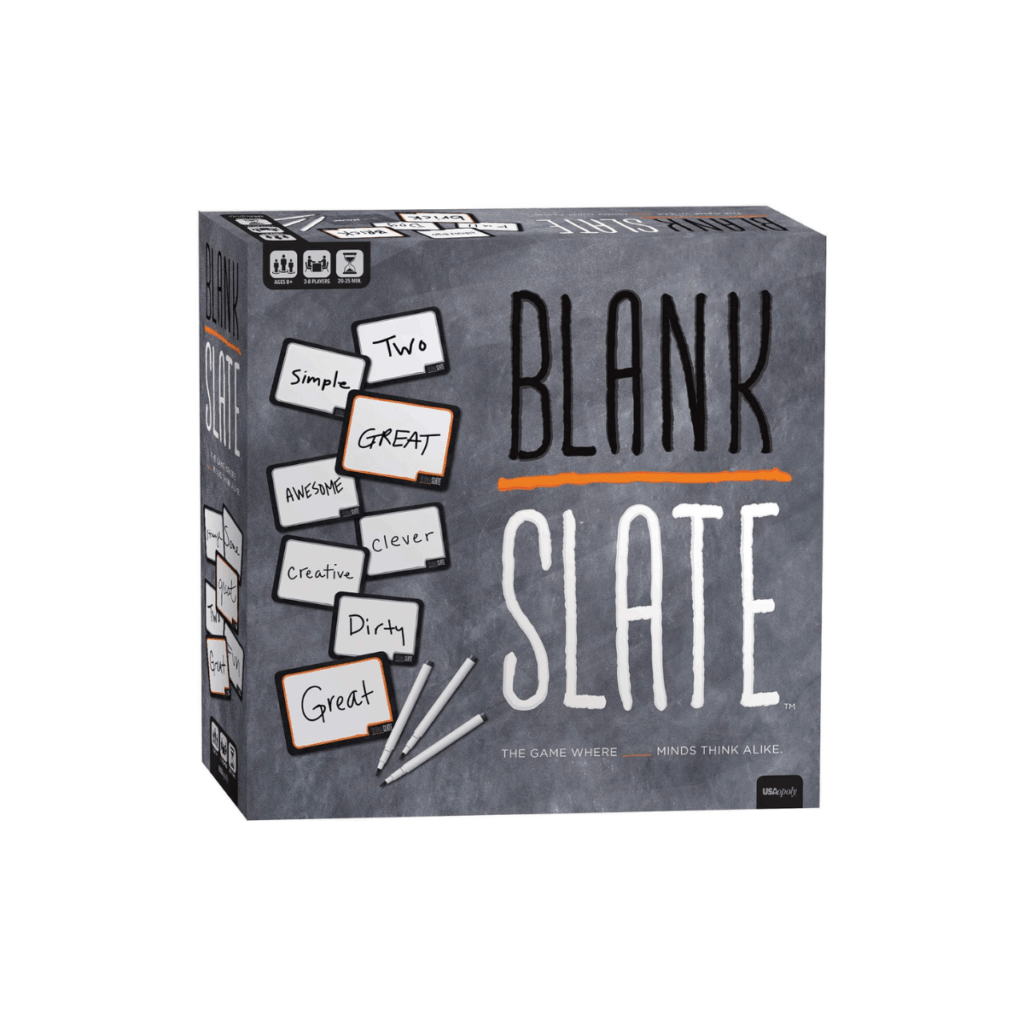
Board games provide a rich canvas for interaction, competition, and the cultivation of strategic thinking. By employing these essential techniques, players can not only sharpen their skills but also enhance their overall experience at the game table. Whether you’re exploring the tactical depths of Chess or strategizing resource management in Settlers of Catan, these strategies will lead to more engaging and fulfilling games. Dive into the world of board gaming, and watch as your skills and enjoyment flourish.
DISCOVER MORE: Click here to enhance your problem-solving skills
Mastering the Art of Strategic Thinking
Effective strategies in board games revolve around the art of strategic thinking. This skill not only involves the immediate actions taken during a game but also considers the potential outcomes of those actions. Players can significantly enhance their gameplay by employing a combination of central strategies that leverage both short-term and long-term thinking. Below are several key approaches to consider:
- Adaptability: Flexibility in strategy is vital. Circumstances in board games can shift quickly due to other players’ actions or unexpected turns of events. For instance, in the strategic game of Risk, a player might have to pivot their approach based on opponents’ movements and alliances. This adaptability not only keeps opponents on their toes but also allows for innovative tactics that can lead to victory.
- Resource Management: Maximizing the use of available resources is essential in many board games. For example, in Settlers of Catan, players must gauge when to trade resources with others and when to stockpile for future improvements. Understanding when to invest versus when to save is pivotal and can determine the game’s outcome.
- Analyzing Risk: Taking chances is often a part of board games, but informed risk-taking leads to better outcomes. Players should evaluate the odds of success before making bold moves. In games like Blackjack, calculating probabilities and knowing when to hit or stand can dramatically affect a player’s success rate.
Furthermore, another aspect of strategic thinking is anticipating moves. A proficient player not only considers their own strategy but also predicts the intentions of their opponents. This foresight enables them to counteract the actions of others effectively, thereby gaining a significant advantage. In games such as Ticket to Ride, understanding opponents’ routes can help players block key connections and disrupt their plans.
Practicing Patience and Observation
In the fast-paced world we live in, board games require a refreshing degree of patience. Rushing into decisions can lead to missed opportunities or mistakes. Taking time to observe the dynamics between players and the evolution of the board state can unveil insights that might not be immediately obvious. For example, in the strategy game Agricola, players need to carefully assess not only their own farming strategies but also those of other players on the board. This patience often translates into better decision-making, preventing impulsive moves that could be detrimental.
Ultimately, the combination of strategic thinking, adaptability, and a patient approach to observing opponents culminates in an exquisite balance that defines successful board gaming. By mastering these concepts, players cultivate not just the skills required to win games but also engage in a deeper, more meaningful experience—one that enriches their understanding of strategy and enhances their social interactions. Whether at a cozy game night or a competitive tournament, implementing these strategies will elevate your gameplay to new heights.
Effective Strategies for Navigating Board Game Challenges
| Category | Details |
|---|---|
| Game Mechanics | Understanding the core mechanics is essential for effective strategy formulation. Identifying patterns in how games operate will improve decision-making. |
| Adaptability | Being flexible in your approach significantly enhances your ability to counter opponents’ moves. Adjusting strategies on-the-fly can lead to unexpected victories. |
Expanding upon the understanding of game mechanics, it is crucial to engage deeply with each element of the board game. This means analyzing the rules, observing previous rounds, and even predicting future plays based on opponents’ tendencies. For instance, players can utilize probability assessments to determine the best course of action.Moreover, adaptability is not merely a reaction but an evolving skill. Players should practice altering their strategies not just as a response to opponents but proactively. Techniques like role reversal, where players imagine how they would approach the game if they were in their opponents’ positions, can effectively enhance one’s strategic repertoire. By integrating these strategies and continuously honing their skills, players can significantly elevate their performance and overcome various challenges within board games. Each session offers a unique learning opportunity, making mastery attainable through methodical practice and keen observation.
DISCOVER MORE: Click here to learn about the power of social interaction in puzzle solving
Building Strong Alliances and Understanding Psychology
Another vital strategy in board games lies in the ability to build alliances and understand the psychology of fellow players. Many games encourage cooperation alongside competition, making it essential for players to navigate social dynamics thoughtfully. Developing alliances can provide players with support and leverage against stronger competitors. This is particularly evident in games like Diplomacy, where negotiation skills can lead to temporary partnerships that impact the overall outcome. However, it’s important to remember that trust can be fleeting, and players must remain vigilant about potential betrayals.
The psychological aspect of board games cannot be underestimated. Knowing how to read opponents’ body language, tone of voice, and decision-making patterns can provide critical insights into their strategies. For instance, a player who hesitates before making a move may be weighing the consequences, indicating a powerful play about to unfold. Conversely, detecting confidence in an opponent’s choices can signal a strong grasp of the game mechanics or a hidden strategy at work. Developing these observational skills adds another layer of complexity to gameplay and enhances a player’s capacity to navigate challenges effectively.
Utilizing Scoring Systems and Game Mechanics
Every board game comes with its own set of mechanics and scoring systems that dictate how players can accumulate points or progress towards victory. Understanding the underlying game mechanics is crucial for making informed decisions throughout the game. In titles such as Carcassonne or Puerto Rico, players must grasp the scoring rules fully to capitalize on their moves. For example, in Carcassonne, placing a tile strategically can lead to the completion of cities or roads that will maximize points, thus altering the trajectory of the game.
- Focus on Objectives: Each game has specific objectives that can guide your strategy. In many games, focusing on fulfilling these goals can give you a clear path to winning. Understanding the primary objectives and aligning your moves to achieve them is critical, especially in competitive environments where timing and precision are key.
- Track Opponents’ Progress: Pay close attention to how far your opponents are towards achieving their objectives. Early monitoring allows you to adjust your strategy accordingly, whether that means blocking moves or accelerating your own plans to maintain the lead.
Additionally, leveraging scoring nuances can help a player draw attention away from themselves. In competitive games, diverting focus towards a perceived leader can create opportunities for stealthy progress. This tactic is particularly effective in games like 7 Wonders, where players can benefit from strategies that encourage opponents to direct efforts towards combating each other instead of threatening the player in the lead.
Continuous Learning and Adaptation
Lastly, a strategy that cannot be overlooked is the commitment to continuous learning. Whether through studying game tactics online, engaging in discussions with other players, or reflecting on past games, players should actively seek to enhance their skills. Online platforms or local board game clubs often host tutorial sessions and strategic discussion groups, providing an excellent opportunity for players to deepen their understanding. Additionally, playing various games exposes individuals to different mechanics and strategies, broadening their gaming toolkit.
By embracing these strategies of building alliances, understanding psychology, utilizing game mechanics effectively, and committing to ongoing improvement, players can effectively tackle the various challenges presented in board games. The world of board gaming is rich and diverse, and mastering these strategies will enhance not only the chances of victory but also the overall enjoyment of the game experience.
DISCOVER MORE: Click here to enhance your cognitive skills
Conclusion
In the dynamic world of board games, players face a myriad of challenges that require thoughtful strategies for success. As we’ve explored, effective tactics such as building alliances and understanding psychology are crucial. These elements not only enhance gameplay but also develop social skills that transfer beyond the gaming table. Players can gain an upper hand by leveraging the complexity of game mechanics and paying attention to the scoring systems that define each game’s landscape. Grasping these mechanics enables informed decision-making that can shift the game’s tide in one’s favor.
Furthermore, the commitment to continuous learning serves as an essential cornerstone of board gaming. Whether participating in forums, reading strategy guides, or engaging with seasoned players, the journey of self-improvement is never-ending. The insights gained through this ongoing pursuit not only improve tactical prowess but also deepen one’s appreciation for the artistry of board games.
Ultimately, the challenges posed by board games are invitations for creativity, resilience, and strategic thinking. By implementing these effective strategies, players can not only enhance their chances of victory but also ensure that every session is filled with excitement and camaraderie. As you delve deeper into the vast universe of board gaming, remember that the skills you sharpen at the table will serve you well beyond the confines of the game board, fostering a collaborative spirit that enriches both the player experience and global gaming culture.