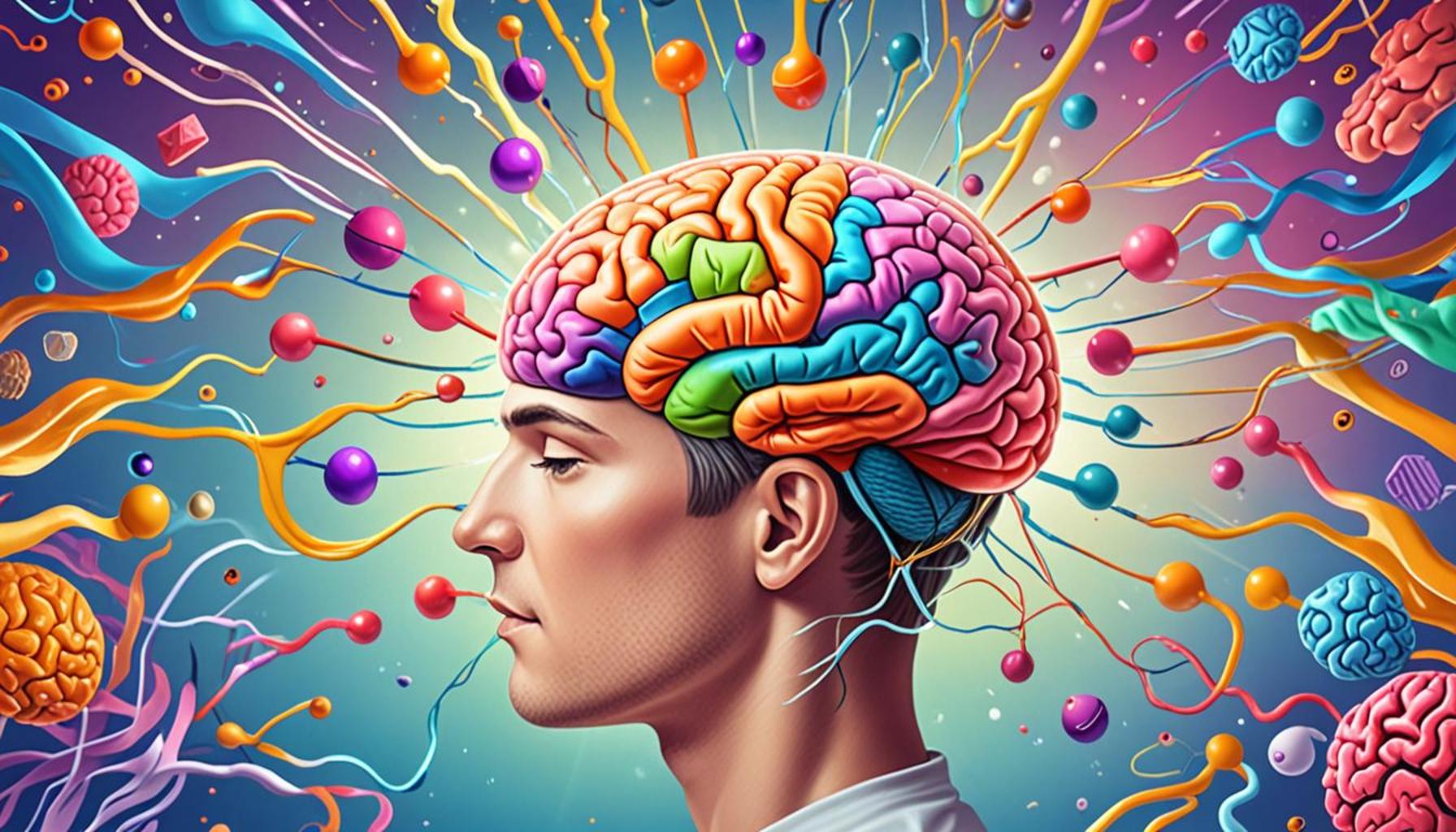
Exploring the Connection Between Memory Enhancement and Creative Puzzle Design
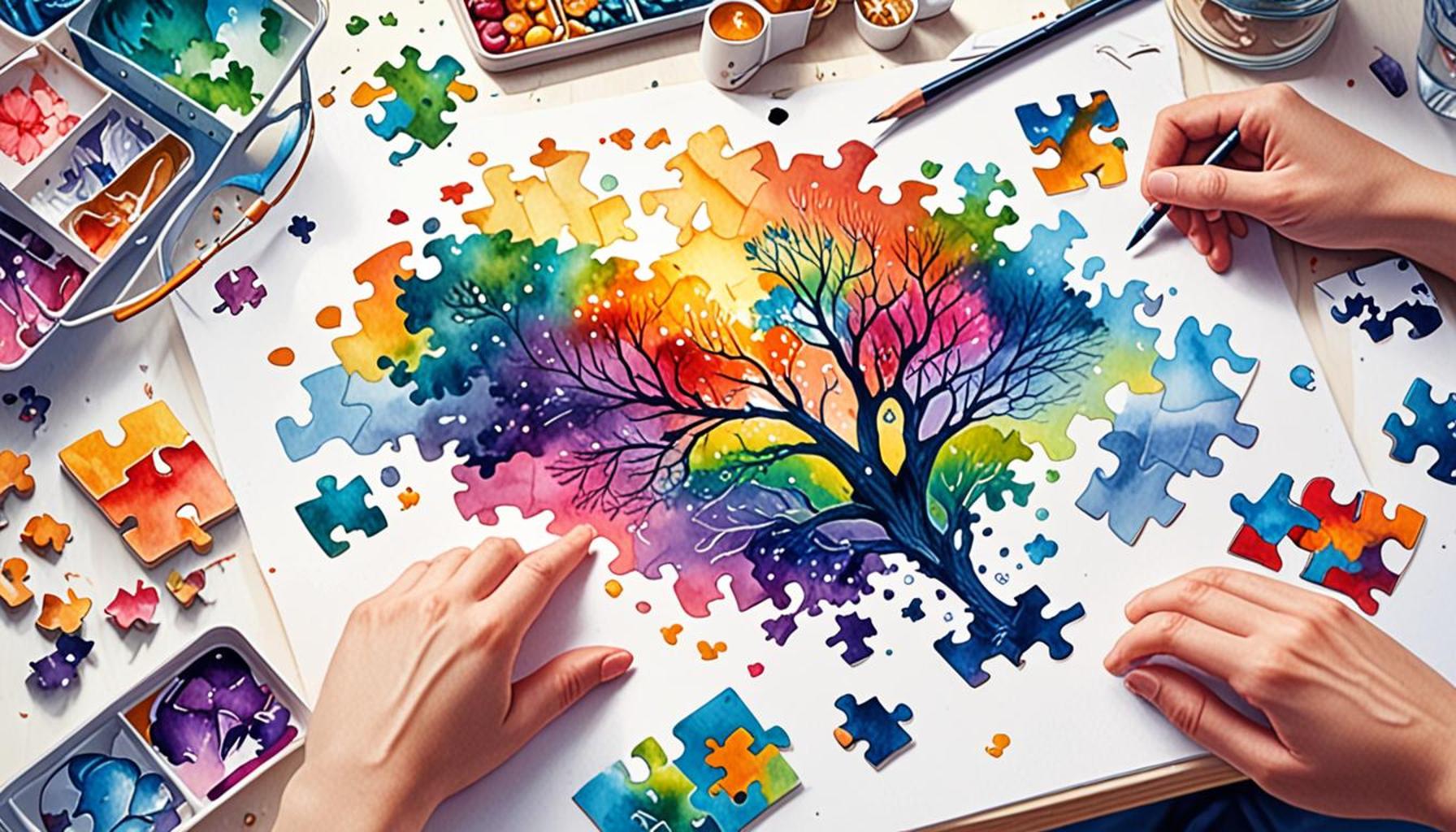
Exploring the Power of Puzzles in Memory Enhancement
Engaging with games not only provides enjoyment but may also serve as a powerful tool for cognitive enhancement. Recent studies highlight that creative puzzle design can significantly improve memory retention and cognitive function. This fascinating link between playful activities and cerebral growth has captivated the interest of educators, psychologists, and neuroscientists, who are eager to explore how structured problem-solving can bolster intellectual capabilities.
Puzzles, in their myriad of forms, each present unique cognitive challenges that tap into various aspects of our mental faculties:
- Crossword puzzles: These literary enigmas are celebrated for their ability to expand vocabulary while enhancing recall. Engaging with crosswords stimulates linguistic skills by encouraging players to retrieve information from memory, promoting neural connectivity.
- Jigsaw puzzles: These intricate challenges not only develop spatial reasoning but also improve visual memory. The task of piecing together an image sharpens an individual’s ability to visualize and manipulate shapes and spaces, a skill that is beneficial in fields such as architecture and design.
- Logic puzzles: Often found in brain-teaser books and online platforms, these puzzles cultivate critical thinking and advance problem-solving abilities. By requiring players to deduce relationships and patterns, logic puzzles enhance analytical skills applicable in everyday decisions and professional environments.
Delving further, it is essential to consider how memory enhancement techniques can be seamlessly integrated into puzzle design to make them more effective learning tools:
- Incorporating mnemonic devices within gameplay can assist players in recalling complex information by associating it with relatable prompts or visuals.
- Storytelling elements embedded in the puzzles can create a narrative context, making information more engaging and memorable as players connect emotionally with the storyline.
- Adjusting difficulty levels to suit varying cognitive abilities allows for a personalized experience, ensuring that all players can benefit from the mental workout, regardless of their starting skill level.
Puzzles provide more than just amusement; they establish a significant sense of achievement and nurture a growth mindset, encouraging individuals to embrace challenges rather than shy away from them. As we unravel the relationship between puzzles and memory enhancement, it becomes clear that they serve as invaluable resources in mental development.
Join us on this enlightening journey as we uncover the intricate ties between creative puzzle design and memory enhancement, revealing innovative strategies that have the potential to transform our approach to learning and cognitive engagement. The world of puzzles invites us to not only play but also to expand our minds and improve our lives.
DISCOVER MORE: Click here to delve deeper
Unraveling Cognitive Benefits Through Puzzle Engagement
The allure of puzzles lies not only in their captivating nature but in their potential to foster cognitive development, particularly in the realm of memory enhancement. As our lives become increasingly fast-paced and information-rich, the ability to retain and recall information becomes ever more crucial. Engaging with puzzles introduces a playful yet structured approach to exercising various cognitive abilities, helping individuals strengthen their memory through enjoyable activities. Recent studies reveal that people who regularly engage in puzzles demonstrate improved retention and recall, leading to heightened overall cognitive function.
Understanding the specific mechanisms by which puzzles enhance memory is vital in uncovering the deeper connection between creative puzzle design and cognitive health. Below are several key cognitive benefits that highlight how puzzles serve as effective tools for memory improvement:
- Active Recall: Participating in puzzles encourages the brain to actively search for answers, a process known as retrieval practice. This method reinforces neural pathways, making it easier to access information later.
- Pattern Recognition: Many puzzles require players to identify and understand patterns, boosting their ability to make connections. This skill is integral to effective learning, as it helps individuals forge links between new information and existing knowledge.
- Focused Attention: Solving puzzles demands sustained concentration, training the mind to remain focused for extended periods. This skill is beneficial in enhancing memory consolidation, as paying attention to detail is critical for retention.
- Stress Reduction: Engaging with puzzles can promote relaxation by reducing stress levels. Stress has been shown to negatively impact memory, so using puzzles as a therapeutic tool offers dual benefits of enjoyment and cognitive enhancement.
- Social Interaction: Many puzzles are designed for collaborative play, providing opportunities for social engagement. Group activities not only create a supportive environment for problem-solving but also enrich memory retention through shared experiences.
To further explore the intersection of memory enhancement and puzzle design, researchers are examining various types of puzzles and their specific cognitive impacts. For instance, escape rooms, which blend narrative elements with problem-solving tasks, are showing promising results in enhancing memory recall due to their immersive storytelling and stress-relieving aspects. Such designs amplify the emotional engagement of participants, making the information more memorable.
In this exploration, it is essential to recognize that while puzzles can enrich memory, the synergy between creative puzzle design and cognitive functioning lies in their ability to engage players both mentally and emotionally. By bridging the gap between fun and learning, puzzles serve to illuminate the path toward improved memory retention, highlighting the significance of play in mental development.
As we delve deeper into this compelling connection, we invite readers to consider how incorporating puzzles into their daily routines can yield extraordinary benefits not only for memory but for overall cognitive health.
Exploring the Benefits of Puzzle Design on Memory Enhancement
In the realm of cognitive development, creative puzzle design emerges as a strategic tool that bolsters memory enhancement. The intricacies of puzzles challenge our memory systems by requiring the retention of various elements, from shapes to patterns, ultimately stimulating neural pathways. This cognitive engagement not only enhances problem-solving skills but also enriches memory recall, making our brains more agile.One of the key advantages of incorporating puzzles into our daily routines is their ability to increase brain plasticity, the brain’s capacity to adapt and reorganize itself. As we solve complex puzzles, we encourage the formation of new synapses, leading to improved cognitive functions. Moreover, these creative designs often necessitate the use of both short-term and long-term memory, providing a comprehensive workout for our memory capabilities. Furthermore, the psychological satisfaction derived from completing puzzles cannot be overlooked. The sense of achievement fosters a more profound connection to the material, reinforcing the memories associated with those experiences. This interaction can be particularly beneficial for individuals seeking to enhance their memory due to age-related decline or stress. The act of engaging with thoughtfully crafted puzzles is not merely a pastime but a gateway to sustained cognitive vitality.To underscore these benefits, research indicates that individuals who frequently engage in puzzle-solving activities demonstrate better performance in memory-related tasks. As the relationship between memory enhancement and creative puzzle design deepens, it becomes increasingly clear that such activities are not only enjoyable but also essential for cognitive well-being. Exploring this fascinating intersection can open new avenues for personal growth and mental fitness.
| Advantages of Creative Puzzle Design | Impact on Memory Enhancement |
|---|---|
| Enhances problem-solving skills | Stimulates various memory systems |
| Increases brain plasticity | Promotes the formation of new synapses |
EXPLORE MORE: Click here to discover how puzzles boost your cognitive skills
The Influence of Puzzle Complexity on Memory Improvement
The complexity of a puzzle plays a fundamental role in shaping its cognitive impact on players. Not all puzzles are created equal; the varying levels of difficulty can lead to different outcomes in memory enhancement. Research indicates that puzzles designed with escalating complexity not only challenge participants but also improve their problem-solving abilities. For instance, a study published in the journal Cognitive Science highlighted that individuals engaged with increasingly challenging puzzles experienced significant improvements in memory retrieval and adaptation to new information.
One of the most compelling examples of complexity-driven memory improvement is found in crossword puzzles and Sudoku. These puzzles hurl players into a fast-paced world where they must navigate through clues and number placements, testing their overall knowledge and adaptability. A recent survey conducted in the United States revealed that regular crossword enthusiasts performed 10% better in memory tests compared to non-puzzle solvers, underscoring the potential of intricate wordplay in fostering cognitive resilience.
The art of creative puzzle design lies in balancing challenge and accessibility. This means that the ideal puzzle should push mental boundaries while remaining enjoyable. When puzzles become excessively difficult and frustrating, players may disengage, leading to diminished cognitive benefits. On the other hand, when puzzles are too simplistic, they may fail to stimulate the brain adequately. This balance is critical; creative puzzle designers must consider the psychological concept of the “zone of proximal development,” which suggests that tasks should be just beyond one’s current abilities to promote growth and learning effectively.
Gamification and Digital Puzzles in Memory Enhancement
The rise of digital gaming has brought a new dimension to creative puzzle design, as mobile and online platforms allow for varying degrees of interactivity and complexity. Gamification techniques are increasingly integrated into puzzle design, combining elements of play with cognitive challenges, thus creating a transformative experience for players. Mobile puzzle games like Brain Age and Lumosity utilize adaptive learning algorithms that adjust the difficulty level based on players’ progress, creating a personalized training regime that not only entertains but also effectively enhances memory skills.
Moreover, the integration of cognitive neuroscience into digital puzzle design has led to the development of neuro-gaming, where puzzles are designed specifically based on cognitive theory and brain function. Researchers are gradually uncovering that engaging with these innovative designs, which draw on memory principles to create compelling gameplay experiences, can significantly improve memory retention. For example, the game Elevate has gained popularity for its ability to tailor training exercises that adapt to the user’s performance metrics, reinforcing memory and learning pathways through targeted play.
As technology entwines with creative puzzle design, memories are not merely recalled but are woven into a tapestry of experiences that players actively participate in. As we explore these new frontiers, the potential for enhanced memory through puzzle engagement continues to unfold, revealing untapped territories in cognitive learning and entertainment. This ongoing evolution encourages further inquiry into innovative puzzle designs that may serve as effective tools for memory enhancement across diverse populations.
DISCOVER MORE: Click here to learn how puzzles can boost your cognitive skills
Conclusion: The Interplay of Memory and Creativity in Puzzle Design
As we have delved into the intricate relationship between memory enhancement and creative puzzle design, it is evident that engaging with puzzles serves as a dynamic avenue for cognitive development. The interplay between difficulty and accessibility is crucial; puzzles that challenge players without inducing frustration can cultivate deeper memory retention and problem-solving skills. The findings surrounding complexity-driven enhancement underscore the need for designers to create puzzles that evolve with the player’s capabilities, effectively pushing mental boundaries while maintaining enjoyment.
Additionally, the emergence of digital puzzles and gamification has transformed how we approach memory exercises. Platforms that utilize adaptive learning not only provide personalized experiences but also tap into the latest cognitive neuroscience insights. Innovative puzzle-based games such as Lumosity and Elevate illustrate how technology can enhance traditional puzzle formats, opening new doors for individuals seeking cognitive improvement. This trend highlights a growing awareness of the importance of gameplay in everyday life and its capacity to form lasting cognitive pathways.
In conclusion, the evolving landscape of puzzle design reveals endless possibilities for memory enhancement across various age groups and learning styles. As researchers continue to explore and develop methodologies that intertwine creativity with cognitive enhancement, the future promises exciting discoveries that may redefine our understanding of memory. The intricate relationship between play, learning, and memory invites further examination, as individuals and educators alike seek innovative tools for cognitive growth.