Harnessing the Power of Storytelling in Puzzles for Enhanced Memory Recall
Unlocking Memory Through Stories
In today’s fast-paced world, enhancing memory recall is more crucial than ever. One innovative method gaining traction is the use of storytelling alongside puzzles, creating a captivating learning experience that is both enjoyable and effective. By weaving narratives into puzzle-solving, we not only engage the mind but also boost memory retention, a skill that is invaluable in both academic and everyday contexts.
Consider the following benefits of integrating storytelling into puzzles:
- Increased Engagement: A compelling story can immerse players, making solving puzzles more enjoyable. For instance, when participants encounter a mystery puzzle with a narrative arc, they find themselves more emotionally invested in solving it. This engagement is crucial as it can lead to a greater likelihood of participants going deeper into the narrative and, consequently, enhancing their memory through the process.
- Contextual Learning: Stories provide a framework that helps individuals remember information through contextual clues. Research indicates that our brains are wired to recall information when it is presented within a meaningful narrative. For example, in a history-themed crossword puzzle, connecting historical figures and events through a storyline allows players to link facts more effectively, making them easier to remember.
- Emotional Connection: Narratives can elicit emotions, which research shows enhances memory formation. The impact of storytelling on our emotions makes learning more relatable. A narrative about a character’s journey through adversity can resonate with players, evoking empathy and making the associated information stick in their memory long after they finish the puzzle.
Consider the rise of escape rooms, which blend immersive storytelling with puzzle-solving. Participants are not just solving riddles; they are engaged in a continuous narrative that transforms an ordinary game into an unforgettable adventure. In the United States, escape rooms have become a popular activity for friends, families, and corporate team-building events, underscoring the effectiveness of this integration.
Finally, exploring the intricate relationship between puzzles and storytelling unveils new avenues for memory enhancement. As we delve deeper into this fascinating interplay, you’ll discover how these engaging techniques can transform cognitive experiences and improve everyday recall. Whether it’s through digital platforms like interactive storytelling games or classic board games with a narrative twist, the potential for improving memory through this method is vast. The continuous evolution of educational methods, particularly in the United States, indicates a growing recognition of the powerful synergy between storytelling and puzzles, creating a vibrant landscape of learning opportunities that extend beyond traditional boundaries.
DON’T MISS: Click here to learn more
The Synergy of Storytelling and Puzzle Solving
In the realm of cognitive development, the fusion of storytelling and puzzle-solving has sparked intriguing insights into how we enhance memory recall. The marriage of these two methods not only elevates the learning experience but also stimulates brain activity in ways that traditional memorization techniques often fail to achieve. To grasp the full potential of this powerful combination, it is essential to explore how narrative elements can effectively create mental pathways that lead to improved information retention.
One of the most significant advantages of integrating stories into puzzles lies in the concept of scaffolded learning. This educational approach involves building on prior knowledge and gradually introducing more complex information. By anchoring new content within a captivating story, learners can utilize what they already know to make connections to the unfamiliar. For example, consider a puzzle that introduces children to different geographical locations through the lens of an adventurous quest. As they help the protagonist navigate through various challenges, they inadvertently absorb geographic knowledge, making it considerably easier to retrieve facts later on.
The power of this technique is further amplified by interactive storytelling. Players actively participate in shaping the narrative while solving puzzles, making their engagement even deeper. In digital platforms, such as mobile apps and online games, this interactive format encourages players to think critically and make decisions that influence the storyline. Such participatory experiences can lead to increased motivation and a sense of agency that is often missing in traditional learning contexts.
Here are a few additional benefits of utilizing storytelling in puzzle-solving to enhance memory recall:
- Multisensory Engagement: Stories often encompass vivid imagery, sound, and even music, appealing to multiple senses. This multisensory approach can strengthen memory paths in the brain, making the information more memorable.
- Improved Problem-Solving Skills: As participants engage in a narrative-driven puzzle, they practice critical thinking and problem-solving skills. These cognitive exercises not only aid memory recall but also cultivate skills that extend beyond the game.
- Social Interaction: Many puzzles are designed for collaborative play, often requiring players to work together to unlock parts of the story. This social interaction fosters teamwork and communication while enhancing the learning experience through shared knowledge and ideas.
As we explore the landscape of storytelling and puzzles, it’s essential to recognize that this combination is not just a trend; it’s a transformative approach to education and memory enhancement. The prevalence of gamified learning in various educational settings across the United States shows a growing acknowledgment of how these engaging methods can elevate cognitive function and retention.
From classrooms to corporate training sessions, the storytelling-puzzle dynamic offers a unique and effective means of improving memory recall, illustrating that learning can indeed be both fun and fruitful. As we continue to uncover the layers of this captivating synergy, we stand on the brink of redefining how we approach memory enhancement in both formal and informal learning environments.
Unleashing Imagination Through Narrative
Harnessing the essence of storytelling in puzzles significantly enhances the cognitive experience and memory recall of participants. Incorporating rich narratives creates a deeper emotional connection, leading to increased engagement. The brain is wired to remember stories better than isolated facts, making it a powerful tool in educational and recreational puzzles alike.
The Psychology Behind Memory Recall
The connection between storytelling and memory is steeped in psychology. When learners engage with a story, they create mental imagery, leading to improved retention of information. This not only applies to educational puzzles designed for students but also extends to adults in settings like team-building activities or brain training exercises. The brain forms pathways that associate the narrative with the elements of the puzzle, making recall easier and learning more effective.
Enhanced Social Interaction
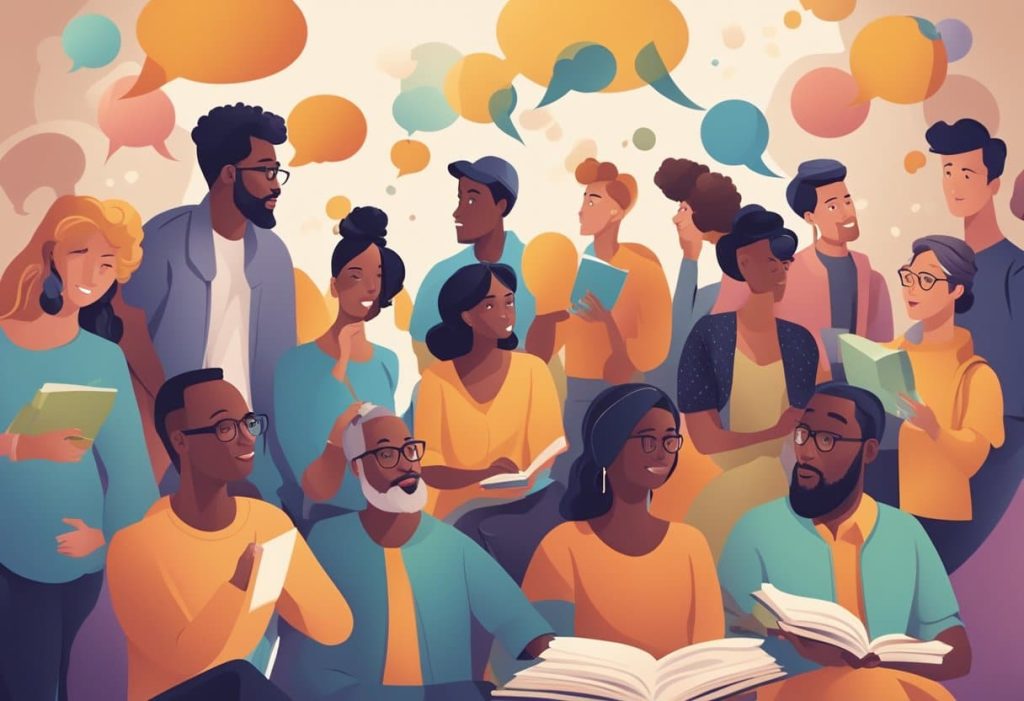
Puzzles featuring storytelling elements often promote teamwork and collaboration. As players work together to navigate a narrative-driven puzzle, they engage in discussions that reinforce memory and understanding. This collaborative effort not only strengthens interpersonal relationships but also facilitates collective problem-solving skills, making the experience more fulfilling and productive.
Real-Life Examples
Consider escape rooms, which have gained popularity in recent years. These immersive experiences rely heavily on storytelling to immerse participants in a scenario that challenges their critical thinking and memory skills. Each clue and puzzle relates back to the central narrative, enhancing the overall experience while improving players’ abilities to recall details under pressure.
| Advantages | Examples |
|---|---|
| Increased Engagement | Storytelling makes puzzles more captivating. |
| Improved Recall | Narratives enhance memory pathways. |
| Social Interaction | Encourages teamwork and collaboration. |
With the combined forces of storytelling in puzzles, the potential for enhanced memory recall is profound. The ability to weave narratives into problem-solving activities invites participants to immerse themselves in their learning experience, enriching both individual capacity and group dynamics. Engaging with this approach opens doors to new methodologies in educational and recreational settings alike. Further exploration into this fascinating intersection between storytelling and cognitive development continues to pave the way for innovative learning strategies.
DISCOVER MORE: Click here for insights on mindfulness with crossword puzzles
Exploring Real-World Applications and Benefits
As the world around us becomes increasingly digital, the integration of storytelling in puzzles transcends traditional boundaries, finding its way into various arenas of human entertainment and education. Educational institutions, in particular, have recognized the advantages of this innovative approach to learning, utilizing interactive narratives within puzzles to foster an environment that promotes both engagement and memory retention.
One notable example can be found in programs designed for enhancing reading and comprehension skills among young children. By incorporating story-driven puzzles that require kids to piece together narratives while solving challenges, educators can effectively engage even the most reluctant learners. Studies have illustrated that children who participate in such narrative-centered activities show a marked improvement in their ability to recall key plot elements and main ideas, demonstrating the effectiveness of this method for memory enhancement.
Moreover, storytelling puzzles extend their reach beyond education and into the corporate world. Businesses are beginning to harness the power of narrative in training sessions by creating immersive scenarios where employees solve puzzles while advancing through a story. These interactive experiences not only help employees to grasp complex concepts more effectively but also provide them with a memorable context in which to apply their newly acquired skills. For example, a tech company might create a cybersecurity puzzle that unfolds like a detective story, allowing team members to piece together clues while learning best practices for data protection. This approach has proven to enhance recall and application of critical information during real-life scenarios.
Additionally, the booming market of escape rooms serves as a testament to the magnetic draw of story-integrated puzzles. Participants find themselves engrossed in themes that range from adventurous quests to thrilling mysteries, each designed to challenge their collaborative problem-solving skills while offering a rich narrative experience. As teams work together to unlock the story’s conclusion, they not only engage their minds in a fun and interactive way but also stimulate memory paths through a shared adventure. Research has shown that the intense emotional involvement in such scenarios can lead to longer-lasting memory impressions, making it easier for participants to recall important details long after the experience.
Video games further exemplify how storytelling and puzzles can collaborate for cognitive growth. Titles like “The Legend of Zelda” and “Portal” weave elaborate narratives into their gameplay, often requiring players to solve intricate puzzles that are intrinsically connected to the story. This relationship compels players to remember critical plot points, character traits, and problem-solving strategies as they progress through the game. A study from the University of California showed that players who engaged in storytelling-driven games exhibited improved memory recall and enhanced problem-solving abilities compared to those participating in games lacking substantial narrative context.
As we dive deeper into the potential of storytelling in puzzles, it becomes clear that this multifaceted approach offers exciting opportunities for psychological growth and educational enhancement. By intertwining narratives with problem-solving tasks, we can unlock new methods to promote cognitive retention, offering thrilling ways for individuals to learn and grow in both personal and professional contexts.
DISCOVER MORE: Click here to enhance your understanding
Conclusion: The Future of Learning and Recall
As we stand at the intersection of storytelling and puzzles, the implications extend far beyond mere entertainment or educational gimmicks. This innovative blend invites us to explore how narratives can shape cognitive processes, leading to enhanced memory recall in a variety of settings. From the classroom to corporate environments, the use of interactive, story-driven puzzles promises to not only engage participants but also to stick in their memories long after the initial experience has concluded.
Research has consistently shown that incorporating narratives into problem-solving activities fosters deeper levels of engagement and emotional investment, key components that significantly contribute to memory enhancement. Moreover, by creating real-world applications, such as immersive escape rooms and video games that challenge players through intricate stories, we can effectively harness this power, making learning not just an obligation, but an adventure.
Moving forward, educators and business leaders alike should consider embracing this storytelling technique as a fundamental element of their strategies for promoting learning and memory retention. As we continue to uncover the potential of storytelling in puzzles, we stand to gain new insights into cognitive science that can transform how we approach learning, personal growth, and professional development. The call to action is clear—by revamping traditional approaches to problem-solving, we can create captivating experiences that resonate deeply within our minds and hearts. Ultimately, the future of learning lies in the stories we create and the puzzles we solve together.