
The Therapeutic Benefits of Logic Puzzles: Sharpening the Mind While Easing Stress

The Therapeutic Benefits of Logic Puzzles
In today’s fast-paced world, where stress often feels like an unwelcome companion, finding effective ways to unwind and sharpen our minds is essential. One surprisingly effective method is integrating logic puzzles into daily routines. These engaging challenges not only entertain but also offer a multitude of therapeutic benefits that can help improve mental agility and overall well-being.
Logic puzzles encompass diverse formats, catering to a wide range of interests and cognitive skills. They provide an enjoyable way to engage the brain while offering a valuable break from the daily grind. A few popular types include:
- Sudoku: A number-placement game that enhances pattern recognition and logical thinking. This puzzle requires players to fill a 9×9 grid with numbers so that each column, row, and 3×3 subgrid contains the numbers 1 to 9 without repetition.
- Crossword Puzzles: These word games not only challenge vocabulary but also stimulate cognitive function as players recall words based on definitions or clues. For example, a crossword puzzle can introduce new language and concepts, which may be particularly beneficial for language learners.
- Logic Grid Puzzles: These puzzles focus on deductive reasoning challenges, often presented in a grid format where players must use clues to determine relationships between different variables, such as people, locations, and events. This type of puzzle sharpens problem-solving skills and encourages critical thinking.
Engaging with these brain teasers offers numerous cognitive benefits that can enhance mental health, including:
- Improved memory retention: Regular practice of puzzles can lead to stronger memory capabilities as individuals learn to recognize patterns and remember solutions.
- Enhanced critical thinking: Many puzzles require players to analyze information and approach problems systematically, fostering a more analytical mindset.
- Reduction of anxiety and stress levels: Studies have shown that focusing on puzzles can serve as a form of mindfulness, momentarily diverting the mind from anxious thoughts and creating a sense of accomplishment when a puzzle is solved.
Incorporating logic puzzles into one’s daily routine can be a refreshing way to blend entertainment with self-improvement. Whether it’s a quick Sudoku during a lunch break or a lengthy crossword at the end of a long day, these activities provide both mental stimulation and relaxation. Moreover, with the growing popularity of puzzle apps and online platforms, anyone can easily access a wide variety of challenges tailored to their skill level.
In conclusion, embracing the art of puzzle-solving may be the perfect recipe for achieving a balanced mind. The next time you seek a moment of tranquility or a boost in focus, consider reaching for a logic puzzle. The reward of improved mental clarity, reduced stress, and enhanced cognitive abilities may just be a puzzle away.
DIVE DEEPER: Click here to uncover more insights
Unlocking Cognitive Potential through Puzzle Solving
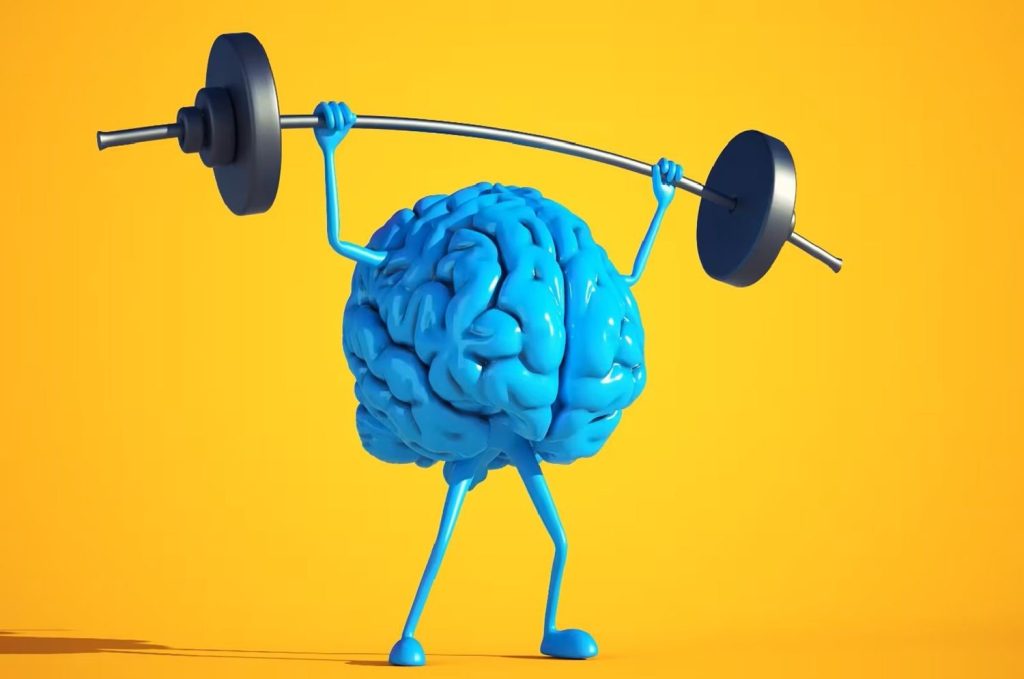
As we delve deeper into the world of logic puzzles, it’s essential to appreciate the cognitive benefits these engaging activities can provide. Recent research underscores the significance of mental stimulation in maintaining cognitive function, especially as we age. For instance, the Alzheimer’s Association has noted that engaging in mentally stimulating activities like puzzles can help delay the onset of dementia and other cognitive declines. This underscores the idea that our brains, much like muscles, need regular exercise to thrive.
Beyond enhancing memory and critical thinking, logic puzzles such as Sudoku, crosswords, and logic grid puzzles specifically cater to various cognitive processes. Each puzzle offers unique challenges that can contribute to the broader spectrum of mental health:
- Increased problem-solving skills: Tackling these puzzles demands a systematic approach to finding solutions. Individuals learn to break down complex problems into manageable parts, gradually honing their decision-making skills.
- Heightened concentration and focus: Engaging in a logic puzzle requires undivided attention. As the brain works towards solving the puzzle, distractions tend to fade away, creating a bubble of concentration that can be rejuvenating.
- Boosted creative thinking: Not all problems can be approached in a linear fashion. Logic puzzles often encourage out-of-the-box thinking, helping to develop flexible cognitive patterns that can foster creativity in the long run.
The therapeutic advantages extend further, as these challenges can also serve as a tool for self-reflection and personal growth. When faced with a complicated logic puzzle, players often encounter moments of frustration and challenges that mimic real-life scenarios. This experience can teach persistence, patience, and the importance of a positive mindset. Stress relief is just an added bonus; research shows that focusing on solving puzzles can trigger the release of dopamine, the neurotransmitter associated with feelings of pleasure and satisfaction. Each time a puzzle is completed, individuals experience a rewarding sense of accomplishment, which can help counteract feelings of stress and anxiety.
Moreover, the accessibility of logic puzzles in the digital age has transformed how individuals engage with these therapeutic tools. With a multitude of apps and websites offering puzzles of varying difficulty levels, anyone can find a suitable challenge at their fingertips. This easy accessibility promotes regular practice, which can enhance the positive effects on cognitive health.
As we continue to uncover the myriad ways that engaging in logic puzzles contributes to mental wellness, it’s clear that these activities are more than mere pastimes. They embody a fusion of entertainment and cognitive enrichment, making them an excellent addition to anyone’s self-care routine. Whether during a commute, on a lunch break, or as a soothing end to the day, allocating time to solve logic puzzles not only sharpens our minds but also provides a vital escape from the busyness of life.
The Importance of Engaging with Logic Puzzles
Logic puzzles have long been celebrated not only for their entertainment value but also for their therapeutic benefits. Engaging in these brain-teasers can provide a multitude of advantages that contribute to mental well-being. As we delve deeper into the subject, it becomes clear that maintaining mental sharpness and alleviating stress can coexist through the practice of solving puzzles.
Enhancing Cognitive Functions
One of the most notable benefits of logic puzzles is their capacity to strengthen cognitive functions. Research shows that regularly engaging with such puzzles can enhance memory, attention span, and critical thinking abilities. This improvement can help mitigate age-related cognitive decline, keeping the mind agile and fit. Moreover, as individuals challenge themselves with increasingly complex puzzles, they not only sharpen their problem-solving skills but also experience a sense of accomplishment and gratification.
Stress Reduction Techniques
In our fast-paced world, finding moments of calm is essential. Logic puzzles serve as a therapeutic escape that diverts the mind from daily stressors. As individuals concentrate on solving these puzzles, their minds enter a focused state often described as a “flow,” where distractions fade away. This therapeutic zone encourages relaxation and mindfulness, reducing anxiety and fostering overall emotional health.
Building Resilience
Solving logic puzzles also cultivates resilience. Every puzzle presents a challenge, requiring patience and perseverance to find a solution. This persistence can translate into other aspects of life, enabling individuals to cope better with challenges and setbacks. The skills developed through this practice encourage not only confidence in one’s problem-solving capabilities but also a proactive approach to life’s difficulties.
Social Connection through Puzzles
Additionally, engaging in logic puzzles can serve as a wonderful social activity. Many people enjoy working on puzzles in groups or teams, fostering camaraderie and communication. This shared experience not only enhances social bonds but also makes the process of problem-solving more enjoyable. Facilitating discussions and shared insights can lead to deeper connections with others, further contributing to emotional well-being.
| Category | Advantages |
|---|---|
| Cognitive Improvement | Boosts memory, attention, and problem-solving skills. |
| Stress Relief | Provides focus, leading to relaxation and reducing anxiety. |
| Resilience Building | Encourages perseverance and coping strategies. |
With these multifaceted benefits, it’s evident that immersing oneself in logic puzzles is a worthwhile endeavor. Whether alone or with others, the therapeutic advantages extend beyond mere entertainment, contributing significantly to mental health and well-being. As readers explore the realm of logic puzzles, they will discover a rich tapestry of cognitive and emotional rewards waiting to be unlocked.
DON’T MISS OUT: Click here to discover how puzzle-solving enhances brain development
Enhancing Emotional Resilience through Puzzle Engagement
In addition to their cognitive benefits, logic puzzles play a pivotal role in enhancing emotional resilience. The unique intersection of mental challenge and relaxation found in solving puzzles can act as a coping mechanism during stressful periods. This therapeutic effect is particularly relevant in today’s fast-paced world, where many individuals seek effective strategies for managing anxiety and overwhelming emotions.
One compelling aspect of logic puzzles is their ability to foster a state of flow. Achieving this state means becoming fully immersed in the task at hand, which researchers have linked to improved emotional well-being. When individuals solve challenging puzzles, they often enter a focused mental state that encourages mindfulness—essentially allowing them to disconnect from external worries. The immersion prompted by puzzles can temporarily relieve stress, creating a mental reprieve and a boost to both mood and cognitive clarity.
The social dimension of puzzle-solving cannot be overlooked, either. Many logic puzzles are designed for two or more players, which encourages collaboration and communication. Engaging with friends or family over a puzzle can foster a sense of community, significantly reducing feelings of isolation. In fact, studies have shown that social interactions contribute to lower stress levels, and puzzle-solving can be a delightful conduit for these interactions. Groups can brainstorm solutions together, leading to shared satisfaction upon puzzle completion and reinforcing interpersonal bonds.
Moreover, logic puzzles can also serve as an excellent tool for building grit—the combination of passion and perseverance for long-term goals. As relevant as this quality is in personal development, puzzle-solving inherently requires grit as players face obstacles and continue to push through challenges. This practice can translate into real-life scenarios where determination is key, providing individuals with an emotional toolkit to tackle life’s difficulties.
The therapeutic benefits of logic puzzles are also highlighted in their usage in professional settings, such as therapy and rehabilitation programs. Mental health professionals often utilize puzzle-solving as part of cognitive behavioral therapy (CBT) techniques to help patients develop better problem-solving abilities and coping strategies in dealing with anxiety and depression. Through these therapeutic frameworks, individuals engage with puzzles to enhance their mental resilience and improve emotional regulation, thus further solidifying puzzles’ value beyond mere entertainment.
Furthermore, recent innovations have led to the development of digital platforms specifically geared toward helping individuals cope with stress. Apps that incorporate logic puzzles often include features tailored to mindfulness, gamification, and emotional tracking, creating a holistic approach to mental wellness. As users progress through levels of puzzles, they can also monitor mood and stress levels, often finding patterns that help them better understand their emotional triggers and victories.
In summary, logic puzzles are not only beneficial for sharpening the mind but also serve as critical instruments in fostering emotional resilience and social connection. Their therapeutic attributes make them a multifaceted approach to both mental acuity and emotional well-being, proving that sometimes, a simple puzzle can lead to profound insights and relief in our complex daily lives.
DISCOVER MORE: Click here to dive deeper
Final Thoughts on the Therapeutic Power of Logic Puzzles
In conclusion, the therapeutic benefits of logic puzzles extend far beyond mere entertainment. By engaging with these intellectual challenges, individuals can cultivate mental acuity while simultaneously easing stress and anxiety. The art of puzzle-solving not only strengthens cognitive skills such as problem-solving and critical thinking but also fosters emotional resilience—an invaluable asset in today’s chaotic world.
The ability to achieve a state of flow while immersed in a puzzle creates a productive form of mindfulness that allows individuals to momentarily escape the pressures of daily life. As users focus on constructing solutions, they cultivate a sense of mastery and achievement that can directly impact their overall well-being. This duality of skill enhancement and stress relief suggests that integrating puzzles into daily routines can encourage a healthier mindset.
Furthermore, the social dynamics involved in collaborative puzzle-solving enhance interpersonal connections, allowing for a supportive network that reinforces emotional well-being. As friendships develop through shared challenges, the communal aspect of puzzle-solving aligns with the fundamental human need for connection, thus promoting a more robust emotional state.
With the advent of digital platforms designed to promote emotional health, the accessibility of logic puzzles has never been greater. The convergence of technology and traditional problem-solving allows individuals to track their progress and emotional patterns, paving the way for personally tailored coping strategies. By exploring these engaging pastimes, individuals can discover a surprising ally in their quest for mental clarity and emotional stability.
Ultimately, embracing the therapeutic value of logic puzzles can yield significant benefits, paving a path toward not only a sharper mind but also a healthier and more resilient emotional life. As we continue navigating the complexities of modern life, taking time to solve a puzzle might just be the perfect antidote we need.