The Art of Solving Puzzles: How Mind Games Stimulate Critical Thinking
The Intricacies of Engagement: Why Puzzles Matter
Puzzles have long held a special place in the fabric of human culture, tracing their origins back to ancient civilizations. These challenging yet rewarding brain teasers are not just captivating pastimes; they serve as vital tools for enhancing cognitive abilities, especially critical thinking. In our fast-paced modern world, where information overload can be daunting, engaging with puzzles offers a means to strengthen our mental resilience and intellectual agility.
Types of Puzzles That Challenge the Mind
Puzzles come in a variety of shapes and sizes, each designed to tickle different parts of the brain. The crossword puzzle, a staple of morning newspapers across the United States, encourages vocabulary expansion and recall. Meanwhile, Sudoku challenges players to apply logic and organization, requiring them to fill a grid without repeating numbers. Logic puzzles, on the other hand, invite solvers to synthesize information and deduce conclusions based on contextual clues, while riddles engage lateral thinking, prompting creative solutions to seemingly simple questions.
The Profound Benefits of Engaging with Puzzles
The benefits of puzzle-solving extend far beyond mere enjoyment. Research has shown that regular participation in these activities can lead to improved memory by strengthening neural connections. Studies indicate that individuals who routinely engage with puzzles perform better in assessing complex situations due to enhanced analytical skills. Furthermore, the creative thought process encouraged by crafting strategies to tackle different types of puzzles fosters heightened creativity, an essential skill in both professional and personal domains.
Who Can Benefit from Puzzles?
The beauty of puzzles is that they cater to a diverse audience. Children can enhance their problem-solving abilities and cognitive development through age-appropriate puzzles, while adults can use them as a means to destress and stimulate their minds after a long day at work. Seniors, too, find value in puzzles; studies suggest that regular engagement can ward off cognitive decline and strengthen memory. Puzzle groups and clubs proliferate in retirement communities, highlighting the social aspect of this intellectual pursuit.
As we face the complexities of daily living and professional environments, the ability to think critically and creatively is more important than ever. Engaging with puzzles not only offers a break from routine but also cultivates the mental flexibility that we require to navigate a rapidly changing world. By embracing these intriguing brain challenges, we discover not only a source of entertainment but a path toward greater intellectual enrichment and personal growth.
Delving into the captivating world of puzzles opens our eyes to the profound impacts they can have on our cognitive abilities. Whether you are solving a crossword at the breakfast table or challenging a friend to a Sudoku race, you are nurturing your mind and paving the way for enhanced critical thinking skills. Investigating this relationship between puzzle play and cognitive development reveals the art of problem-solving as a vital tool for thriving in today’s complex landscape.
DISCOVER MORE: Click here to dive deeper
Unlocking the Mind: Decoding the Puzzle-Solving Process
At first glance, puzzles may appear to be simple entertainment. However, they encapsulate a multifaceted range of activities that stimulate mental processes critical for decision-making and problem-solving. The journey of solving a puzzle often requires a blend of deductive reasoning, creative thinking, and strategic planning. This intricate interplay not only engages but also challenges our minds, making us adept at navigating various life scenarios.
Understanding the Mechanics of Puzzle-Solving
The art of solving puzzles can be dissected into smaller components, each playing a significant role in developing cognitive abilities. The process generally involves:
- Identifying Patterns: Whether in a jigsaw puzzle or a sequence in Sudoku, recognizing patterns is essential. This skill translates into everyday problem-solving, aiding in the interpretation of complex data and trends.
- Analyzing Information: Logic puzzles require players to assess various statements or clues, helping to hone analytical skills that involve evaluating evidence and possibilities.
- Strategizing Moves: Knowing which piece to place next or which number to enter first demands strategic thinking, a vital competency in both personal and professional settings.
- Evaluating Outcomes: After attempting to solve a puzzle, evaluating the outcomes—both successful and unsuccessful—encourages reflective thinking and adaptability.
Each of these components not only makes the puzzle-solving experience engaging but also enriches our cognitive toolkit. Experts note that engaging with such activities fosters an environment conducive to continuous learning. The ability to apply various thought processes to arrive at a solution can dramatically impact how we face real-world challenges.
Puzzles as a Gateway to Enhanced Cognitive Skills
Numerous studies underline the idea that regular puzzle engagement can lead to cognitive enhancement. For instance, research by the University of Salford in the UK found that individuals who frequently engaged in brain teasers had faster processing speeds and superior problem-solving capabilities than those who did not. Moreover, an ongoing research initiative by Northwestern University suggests that puzzles can even improve brain plasticity, allowing the brain to adapt and grow throughout life.
Moreover, puzzles can serve as an antidote to cognitive decline, especially among older adults. Research published in the American Journal of Public Health indicated that seniors who regularly engaged in mental exercises showed a significant decrease in the risk of dementia compared to their counterparts who did not partake in such activities. This highlights the importance of incorporating puzzles not just as leisure activities but as a vital component of lifelong mental health practices.
As we unravel the impact puzzles can make on our cognitive functions, it becomes clear that their art lies much deeper than mere entertainment. Through the process of puzzle-solving, we are navigating a complex web of thought that fosters critical thinking, and we become better equipped to tackle the challenges of tomorrow.
| Cognitive Development | Enhanced Problem-Solving Skills |
|---|---|
| Engaging with puzzles | Promotes analytical thinking |
| Strengthens memory retention | Encourages strategic planning |
| Increases mental agility | Fosters creative solutions |
| Enhances focus and concentration | Builds resilience in challenging situations |
The intricate world of puzzles serves as a fertile ground for developing essential cognitive skills. Engaging with puzzles doesn’t merely entertain; it significantly enhances analytical thinking, allowing individuals to dissect complex issues into manageable components. Moreover, the act of solving these brain teasers strengthens memory retention, a crucial aspect of effective learning, as it challenges the brain to retain information and strategies.Furthermore, as one delves deeper into the realm of puzzles, mental agility becomes heightened. This mental conditioning is extraordinarily beneficial for anyone seeking to improve their problem-solving capabilities. By embracing strategic planning, puzzle enthusiasts can not only boost their creative solutions but also learn to navigate difficulties with renewed vigor. Ultimately, consistent interaction with puzzle exercises leads to improved focus and concentration, creating a resilient mindset ready to tackle any challenge head-on. This dual-edge approach to cognitive training through mind games sets the stage for exceptional critical thinking skills.
DIVE DEEPER: Click here to learn more
The Social Dimension of Puzzle-Solving
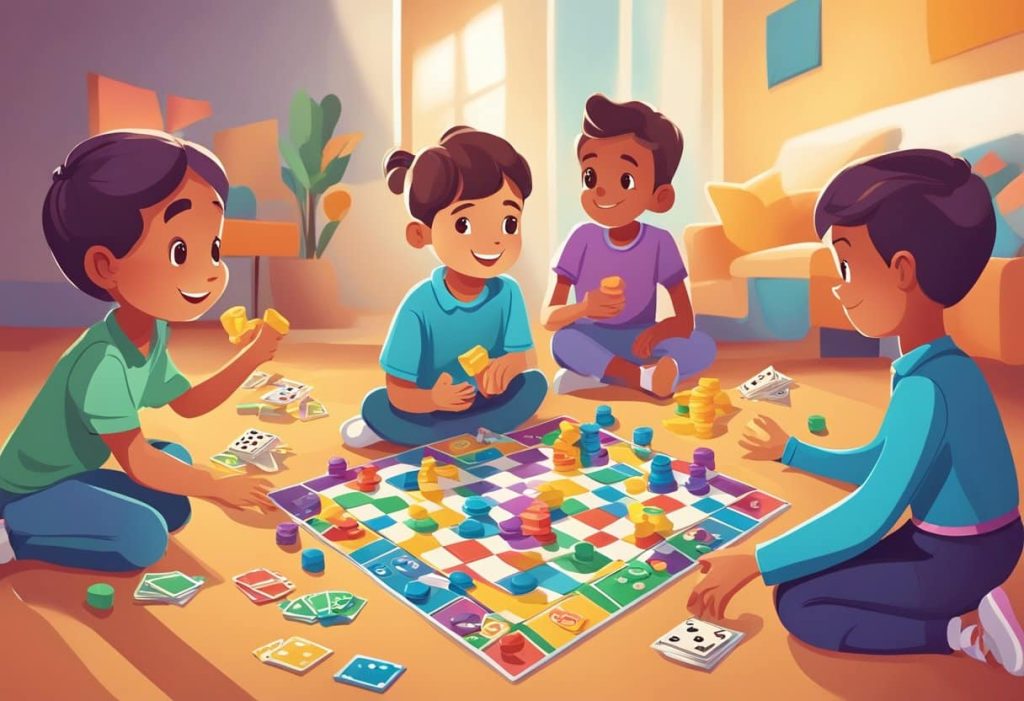
The journey of puzzle-solving is not only an individual endeavor but also often takes place in a social context that enhances collective critical thinking. Collaborative puzzles, such as large jigsaw challenges or escape room games, allow individuals to develop cognitive skills within group settings. When engaged in these activities, participants must communicate effectively, share diverse perspectives, and work towards a common goal, making the process inherently enriching.
Building Team Dynamics through Puzzles
In professional environments, the importance of teamwork cannot be overstated. Incorporating puzzles into team-building exercises can facilitate improved communication and problem-solving dynamics. Research shows that teams that regularly engage in group problem-solving tasks often exhibit increased collaboration, enhanced creativity, and heightened morale. This collaborative spirit can transform how teams approach challenges, leading to innovative solutions and a more cohesive working environment.
For example, companies like Google have long utilized games and puzzles in their corporate culture, emphasizing the importance of creative problem-solving and teamwork. Through these activities, employees are not only allowed to think outside the box but are also encouraged to see challenges from multiple angles. Engaging in group puzzles can also help break down hierarchical barriers, fostering a sense of equality among team members.
Cognitive Flexibility and Diverse Thinking
Puzzles challenge solvers to switch between various types of thinking, enhancing cognitive flexibility. This ability to adapt cognitive processing strategies in response to different situations is essential in our rapidly changing world. Puzzle-solving often requires one to draw upon both analytical and intuitive thinking, allowing individuals to not only come up with innovative solutions but also to adapt those strategies when faced with new challenges.
- Boosting Adaptability: Individuals who engage with diverse types of puzzles—from logic games to visual brain teasers—are better equipped to adjust their problem-solving techniques. This adaptability is a crucial skill in today’s fast-paced workplaces, where new challenges arise frequently.
- Encouraging Diverse Mindsets: Engaging with puzzles that require different types of thinking promotes cognitive diversity, allowing individuals to appreciate various approaches to problem-solving. This appreciation can foster a culture of inclusivity and innovation.
- Fostering Resilience: The iterative nature of puzzles—where one often has to retry different approaches before succeeding—teaches resilience. Individuals learn to persist in the face of failure, an invaluable lesson transferable to both personal and professional challenges.
Incorporating puzzles into educational settings has also proven effective in fostering critical thinking among students. Many educators utilize puzzles to promote engagement in subjects like mathematics and science while enhancing students’ problem-solving skills. By making learning interactive and enjoyable, puzzles can hook students into deep, analytical thought processes that are essential for academic success.
As we observe the social and cognitive benefits of puzzle-solving, it is evident that these mind games are more than mere pastimes. They offer a dynamic platform for enhancing critical thinking through collaboration, adaptability, and diverse cognitive strategies. In an age where information overload can overwhelm the brain, puzzles provide an escape that strengthens our mental faculties, encouraging us to think critically while having fun.
DISCOVER MORE: Click here to enhance your mind games
Conclusion: The Multifaceted Impact of Puzzle-Solving
In today’s fast-paced and information-saturated world, the ability to think critically is more vital than ever. The art of solving puzzles serves not only as a form of entertainment but also as a crucial exercise in developing essential cognitive skills. Engaging with puzzles encourages individuals to approach problems from various angles, fostering a greater capacity for analytical thinking and creativity.
From promoting teamwork in professional settings to enhancing cognitive flexibility in learners, the benefits of puzzles are multi-dimensional. Whether through solo brain teasers or collaborative games, the process of puzzle-solving nurtures an environment where communication and diverse thinking thrive. This collaboration is especially significant in workplaces, as seen in companies like Google, where dynamic problem-solving leads to innovation and improved team cohesion.
Furthermore, puzzles build resilience by teaching individuals to embrace failure and persist through challenges. Each trial-and-error experience deepens one’s understanding of strategy and technique, vital skills that translate seamlessly into real-life scenarios both personally and professionally. Incorporating puzzles into educational frameworks generates an interactive learning experience that captivates students and drives home critical concepts.
Ultimately, the significance of puzzles transcends simple leisure activities. They represent an intriguing blend of fun and function—a platform for cultivating critical thinking skills that empower individuals to navigate the complexities of modern life with confidence and agility. As we continue to explore this stimulating realm, it becomes clear that embracing puzzles may very well be one of the most accessible and enjoyable means of enhancing our cognitive abilities.