How Mind Games Foster Social Bonds and Communication Skills
The Power of Mind Games in Fostering Connections
In a fast-paced digital world, making genuine connections can sometimes feel like a daunting task. While many people often dismiss mind games as mere entertainment, they hold a profound potential to enhance social bonds and improve communication skills. These games offer an engaging way to interact, strategize, and collaborate, ultimately fostering lasting connections among players.
Engaging in mind games can offer numerous benefits that extend beyond fun. For instance, consider board games such as chess or cooperative games like Pandemic. These types of games require players to pool their skills and knowledge, leading to enhanced teamwork. By working towards a common goal, participants not only sharpen their critical thinking and strategic planning abilities but also experience a sense of unity and shared accomplishment.
Additionally, mind games can improve listening skills. In games like Pictionary or Taboo, players must pay close attention to their teammates’ cues as well as the strategies being employed by opponents. This attentiveness fosters better communication, as participants learn to read verbal and non-verbal cues, ultimately enhancing their overall ability to engage in meaningful conversations.
A crucial skill cultivated through these interactions is conflict resolution. Mind games often present situations where disagreements can arise, whether it be debating the best approach to win or how to interpret the rules. Addressing these differences cultivates healthy discussion and negotiation skills. Through these experiences, players learn to navigate disagreements, find common ground, and work through challenges together, which is invaluable both personally and professionally.
The social dimensions of mind games can also bridge gaps across various demographics. Whether it’s a family game night playing classic games like Monopoly or competitive online platforms hosting tournaments, these activities attract a diverse audience. This diversity fosters a rich tapestry of interactions, as individuals from various backgrounds share experiences and perspectives, promoting inclusivity and understanding.
As communities across the United States increasingly turn to recreational activities for personal development, the impact of mind games on social dynamics warrants exploration. From fostering friendships to enhancing workplace collaboration, the potential for mind games to refine essential skills is profound.
Delving deeper into how these games cultivate relationships can illuminate essential skills that enhance both personal and professional interactions. Join us as we explore this fascinating intersection of play and communication, highlighting more specific games and scenarios that illustrate their effectiveness in strengthening connections.
DISCOVER MORE: Click here to dive deeper
The Role of Strategy and Teamwork in Mind Games
One of the most intriguing aspects of mind games is their ability to combine strategy with teamwork. Whether in a casual setting or competitive environment, strategy-based games require players to devise plans, anticipate opposing moves, and adapt in real-time. This complexity not only sharpens mental acuity but also encourages players to articulate their thoughts and collaborate effectively.
Consider collaborative games like Escape Room challenges, which have gained widespread popularity across the United States. Here, team members must communicate clearly to decode clues and solve puzzles under time pressure. The urgency of these games enhances interaction as players must quickly articulate ideas and listen to each other’s observations. The shared experience of working towards a common outcome fosters a deep sense of connection among participants, ultimately leading to stronger social bonds.
In addition to providing entertainment, these games catalyze vital social interactions. Here are some critical ways in which playing mind games enhances communication skills:
- Encouraging Open Dialogue: Players often feel empowered to express their thoughts and strategies openly. This open dialogue cultivates a trusting environment, allowing for better exchanges of ideas.
- Facilitating Non-Verbal Communication: Many mind games rely on body language and facial expressions, especially those that require guessing or interpreting visual cues, such as in Charades or Guess Who?. These dynamics help players become more attuned to non-verbal signals.
- Promoting Active Listening: Players must learn to listen actively to their teammates to understand tactics and strategies, which enhances their overall listening skills. This attentiveness translates well beyond the game, benefiting professional and personal relationships.
Furthermore, engaging in mind games often leads to discussions about strategies and choices made during gameplay. For instance, board games like Settlers of Catan require players to negotiate trades and form alliances, which reinforces communication and builds rapport through shared experiences. These moments of negotiation are crucial, as they encourage players to articulate their preferences and listen to others, thereby refining their interpersonal skills.
Incorporating mind games into social settings can be a powerful way to break the ice, particularly in situations where individuals may be hesitant to engage. From classrooms to workplaces, these activities provide a structured environment in which people can interact comfortably, paving the way for deeper connections.
As we explore further, it becomes clear that the nuances of communication cultivated through playing mind games extend to various facets of life—personal relationships, teamwork, and even professional networking. Understanding how these dynamics play out can shed light on the broader implications of mind games in enhancing social interactions.
| Category | Description |
|---|---|
| Team Collaboration | Mind games break the ice, encouraging teamwork and communication among players, which subsequently enhances social ties. |
| Communication Skills | These games require articulation of thoughts and ideas, leading to improved verbal and non-verbal communication skills among participants. |
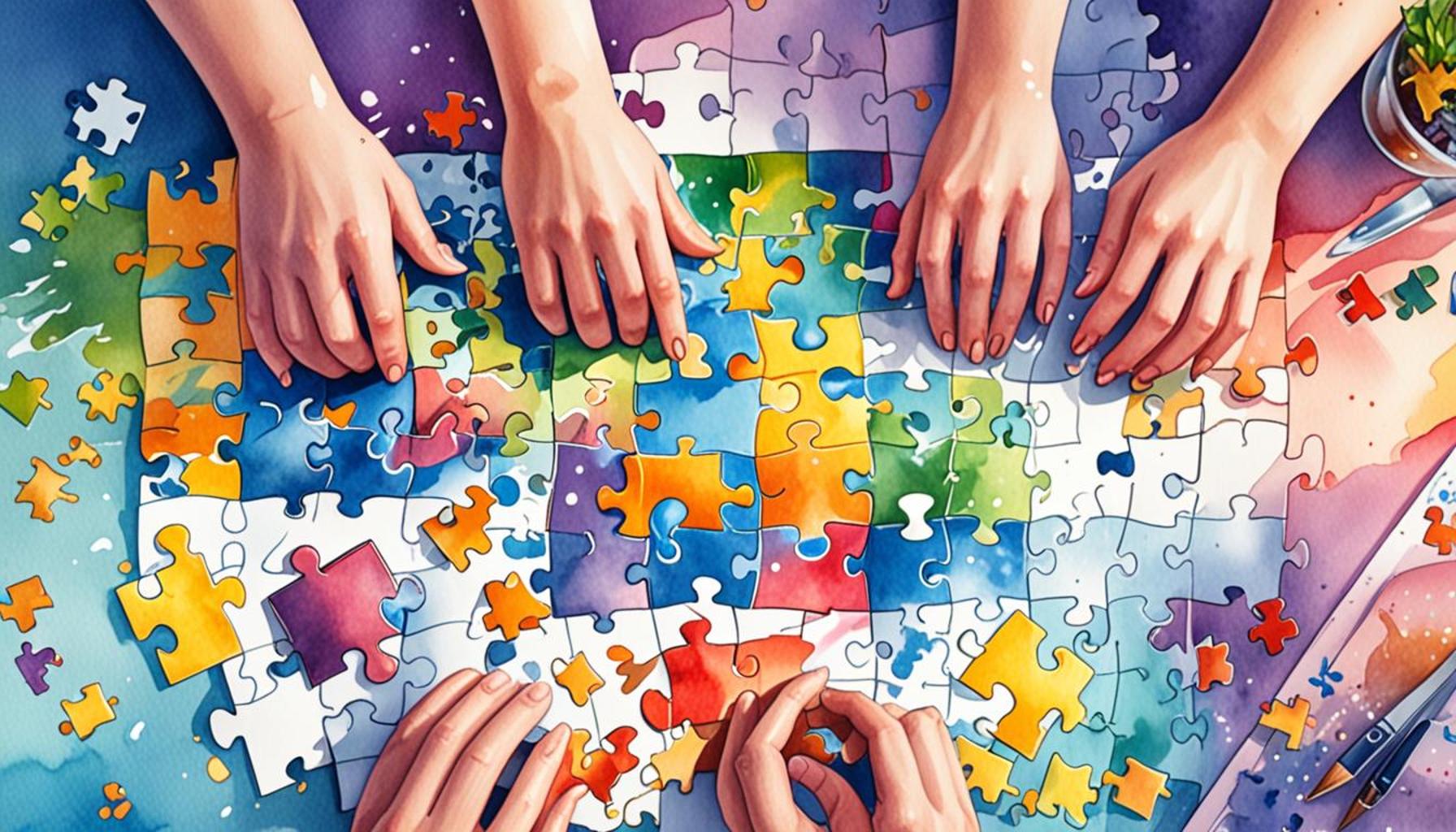
Engaging in various mind games has proven to be a brilliant strategy for strengthening social interactions. For instance, cooperative puzzle-solving activities require players to not only think critically but also listen actively to their teammates’ input. This intrinsic collaboration fosters an environment where individuals express their ideas clearly, enhancing their overall communication skills. Furthermore, mind games inherently cultivate patience and understanding, crucial components in any successful interaction. As players navigate through challenges, they develop empathy and the ability to interpret non-verbal cues, which are essential aspects of effective communication. By participating in these engaging activities, people inevitably forge stronger bonds, creating a network of individuals with improved social dynamics. Thus, exploring these games offers valuable insights into the potential social benefits that can be reaped, motivating readers to delve deeper into the world of collaborative play.
DISCOVER MORE: Click here to enhance your memory
The Psychological Benefits of Mind Games in Social Interactions
Beyond strategic thinking and teamwork, mind games offer profound psychological benefits that foster deeper social bonds and enhance communication skills. Engaging in these activities not only entertains but also serves as a platform for psychological growth and emotional intelligence development. When people participate in mind games, they often experience a mixture of triumphs and challenges, which helps them learn resilience and adaptability.
One significant aspect of these games is their ability to help individuals manage interpersonal dynamics. For example, competitive games like Poker or Risk demand players to read their opponents’ behaviors and intentions—a skill that is invaluable in real-world interactions. Understanding how to navigate complex social cues can significantly improve players’ abilities to connect with others, thereby enhancing their overall communication skills.
Additionally, mind games can help reduce social anxiety in a variety of settings. Younger players, such as those in schools, often find it challenging to initiate friendships or join conversations. Games like Codenames or Werewolf allow participants to work together towards a common goal, easing the pressure of one-on-one interactions. As players engage in shared challenges, they gradually build confidence in their social abilities, making future interactions feel less daunting.
Moreover, the psychological context of games creates an ideal backdrop for addressing conflict resolution. Players frequently experience disagreements about strategies or decisions during gameplay. Navigating these differences teaches individuals how to express their viewpoints in a constructive manner, listen to opposing arguments, and find common ground—skills that are essential in maintaining healthy relationships.
Another key benefit of engaging in mind games is the cultivation of empathy. When players take on various roles or perspectives, as seen in games like The Resistance or Monopoly, they develop a greater understanding of others’ motivations and feelings. By stepping into someone else’s shoes, players become more attuned to emotional nuances, which enriches their interpersonal communications. This heightened sense of understanding not only strengthens team dynamics but leads to more compassionate interactions in broader social contexts.
Mind games can also act as informal social laboratories, allowing participants to test out new communication strategies in a safe environment. For instance, role-playing games like Dungeons & Dragons inspire collaboration while encouraging dialogue that can be tailored based on feedback. Players’ openness to experimentation helps identify effective communication styles that are authentic to each individual, creating a more inclusive atmosphere.
In summary, the psychological benefits derived from mind games extend far beyond mere entertainment. By easing social awkwardness, enhancing empathy, and honing conflict resolution skills, these games play a crucial role in fostering social bonds and refining communication abilities. The combination of playful competition with opportunities for emotional exploration creates a unique environment where interpersonal skills are developed in engaging and meaningful ways.
DISCOVER MORE: Click here to unlock the benefits of Sudoku
Conclusion: The Transformative Power of Mind Games
In a rapidly digitalizing world, the significance of interpersonal connections and effective communication cannot be understated. Mind games emerge as a multifaceted tool that not only entertains but also plays a crucial role in nurturing social bonds and enhancing communication skills. Through interactive participation, players are exposed to dynamic scenarios that challenge their traditional ways of engaging with one another. As highlighted throughout the article, the psychological benefits of these games extend beyond mere fun; they offer a fertile ground for personal development and relational improvement.
By fostering skills such as empathy, conflict resolution, and adaptability, mind games empower individuals to navigate both social landscapes and personal interactions with greater ease and confidence. Whether through collaborative problem-solving in games like Codenames or role-playing adventures in Dungeons & Dragons, players cultivate their abilities to understand varying perspectives, manage group dynamics, and communicate effectively. The shared experiences and triumphs also create lasting memories, further solidifying connections among participants.
Ultimately, incorporating mind games into social interactions provides a compelling opportunity to strengthen relationships, enhance self-awareness, and refine communication techniques. As players continue to engage in these insightful activities, they open doors to harmonious relationships that extend far beyond the game table. Exploring the myriad of emotional and social possibilities of mind games offers valuable insights into fostering a more connected and communicative society. The next time you gather with friends or family, consider adding a mind game into the mix; the benefits may be far-reaching, enriching both your interactions today and the quality of your relationships tomorrow.