The Role of Environmental Enrichment in Reducing Aggressive Behavior in Pets
A Comprehensive View of Aggression in Pets
Aggressive behavior in pets can be alarming for both owners and animals alike. The roots of this aggression are complex and multifaceted, often resulting from a combination of factors such as fear, territoriality, and the critical aspect of lack of stimulation. For many pet owners, understanding the underlying causes of these behaviors can feel daunting. Fortunately, environmental enrichment has emerged as an effective strategy to mitigate these behaviors, leading to happier and healthier pets.
What is Environmental Enrichment?
Environmental enrichment refers to a variety of modifications made to an animal’s environment to enhance their psychological and physical well-being. This notion is rooted in the understanding that animals thrive when given opportunities to engage in natural behaviors. Critical elements of environmental enrichment include:
- Interactive toys that challenge their problem-solving skills. For instance, puzzle toys that dispense treats require pets to think critically and can keep them engaged for extended periods.
- Structured playtime to increase physical activity and social interaction. Games like fetch or tug-of-war can help redirect aggressive tendencies by allowing pets to channel their energy in positive ways.
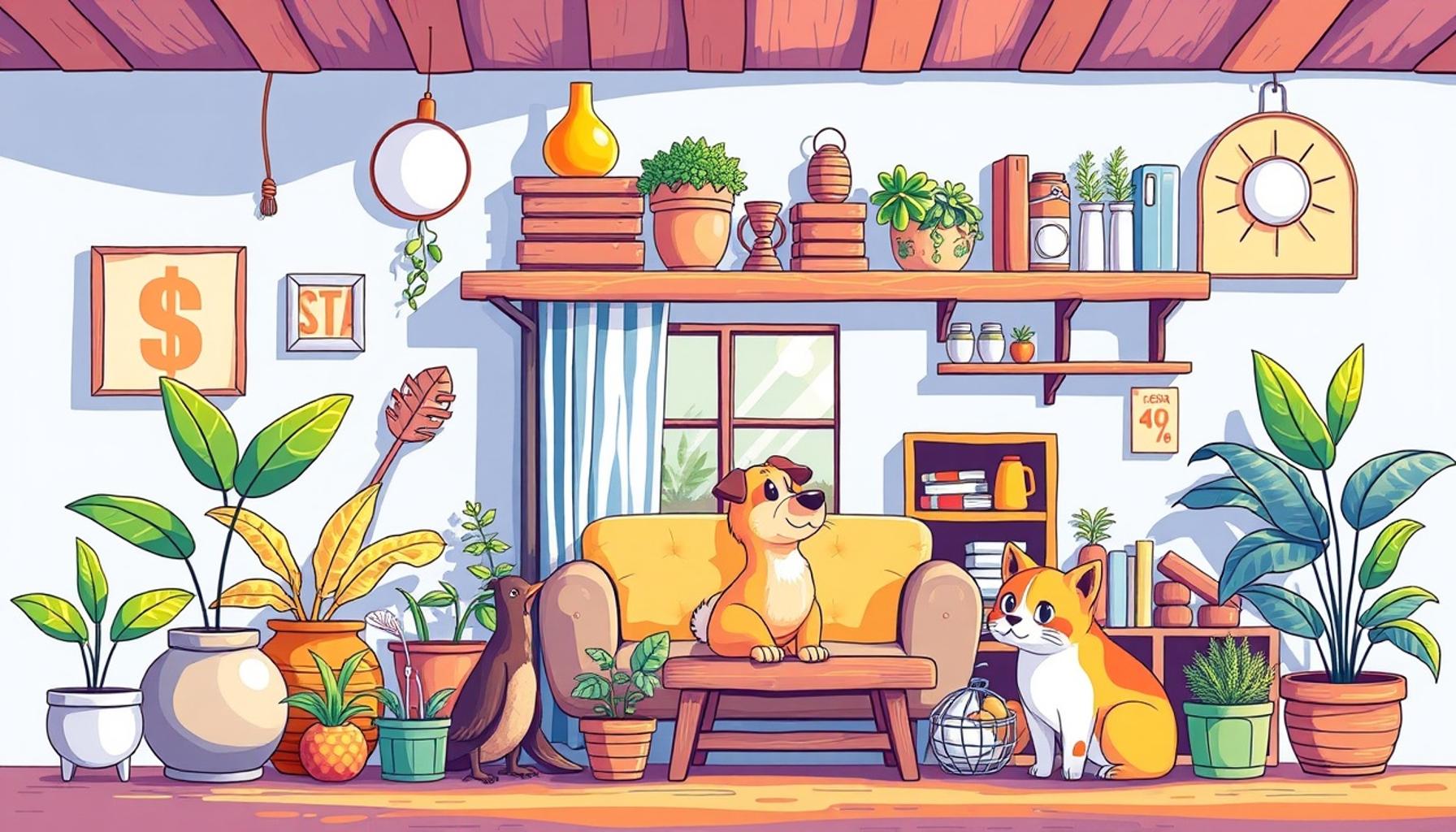
- Safe spaces where pets feel comfortable and secure. Creating designated areas with comfortable bedding or hiding spots can significantly reduce anxiety levels and help mitigate aggressive behaviors.
Benefits of Environmental Enrichment
Implementing environmental enrichment not only reduces aggression but also promotes overall health in pets. Positive outcomes have been observed, such as:
- Decreased stress levels, leading to more relaxed behaviors. A well-stimulated pet is less likely to display signs of stress, including aggressive behavior.
- Enhanced cognitive functioning, helping pets to engage more with their surroundings. This stimulation can keep pets mentally sharp and prevent boredom, which is often a root cause of aggression.
- Improved social skills, facilitating better interactions with other animals and humans. Pets that are well-enriched are generally more confident and social.
By creating a stimulating environment, pet owners can greatly influence their animals’ behavior and encourage a peaceful coexistence within the home. Moreover, studies indicate that enriching an animal’s environment raises their quality of life and may also extend their lifespan. Simple steps, such as rotating toys, incorporating new activities, or even engaging in training sessions, can make a significant difference.
Conclusion
In summary, focusing on environmental enrichment is not merely a strategy for alleviating aggression; it is a holistic approach that fosters a deeper bond between pets and their owners. Through thoughtful implementation of enrichment strategies, pet owners are not only addressing behavior issues but are actively promoting a healthier, more content living environment for their beloved companions.
DON’T MISS: Click here to learn more about keeping your pet healthy
Understanding the Link Between Enrichment and Aggression
To comprehend how environmental enrichment can significantly reduce aggressive behavior in pets, it is essential to look at the emotional and psychological states of animals. Pets subjected to a monotonous and unstimulating environment may display aggression as a form of coping with boredom or frustration. This behavior can escalate, putting both pets and their owners in distressing situations. A well-enriched environment counters this tendency by fulfilling the natural instincts of pets, promoting well-being, and ultimately creating a more harmonious home.
The Psychology of Animal Aggression
Aggression in pets can stem from various psychological triggers, such as fear, anxiety, and territoriality. When pets do not have enough mental or physical stimulation to expend their energy, they can become easily agitated. Understanding these triggers allows pet owners to implement effective strategies to mitigate aggression through enrichment. By providing activities that engage pets both mentally and physically, owners can help alleviate the cornerstones of aggressive behavior.
Methods of Environmental Enrichment
Environmental enrichment can take many forms, each catering to the unique needs of different animals. Below are some specific methods that have proven effective in reducing aggression:
- Enrichment through Scent: Encouraging the use of their powerful sense of smell can greatly enrich a pet’s environment. Activities like scent trails created with treats can provide mental stimulation while encouraging natural hunting behaviors.
- Visual Stimuli: Incorporating aquariums or bird feeders can provide ongoing visual engagement, keeping pets intrigued and distracted from aggressive tendencies.
- Social Reinforcement: Implementing playdates or supervised interactions with other animals can build social skills and decrease territorial behavior, reducing incidents of aggression.
Practical Applications for Pet Owners
For pet owners looking to create a more enriching environment, it is vital to first assess the specific needs and interests of their pets. Tailoring enrichment activities can promote better behavioral outcomes. Owners might consider:
- Choosing toys that require problem-solving skills.
- Designating time for active play sessions daily.
- Regularly changing the dog’s walking route or the cat’s climbing structure to keep the environment dynamic.
Moreover, incorporating training sessions—not just for obedience but also for new tricks—can significantly enhance cognitive welfare. A pet engaged in ongoing learning is less likely to act out aggressively, as their minds are focused on productive tasks.
In this way, embracing environmental enrichment not only addresses aggression but also enhances the overall quality of life for pets. The commitment to providing a stimulating environment reflects a deeper understanding of animal behavior, setting the foundation for a more peaceful coexistence at home.
| Advantage | Description |
|---|---|
| Enhanced Behavioral Health | Environmental enrichment promotes cognitive stimulation, helping pets process their environment more effectively and reducing frustration-driven aggression. |
| Increased Socialization | Engaging activities encourage pets to interact with others, enhancing their social skills and modifying aggressive responses through positive experiences. |
The provision of environmental enrichment becomes crucial for pet owners aiming to mitigate aggressive behaviors. By introducing various stimulating elements—ranging from interactive toys to structured playtime—animals can channel their energy positively instead of manifesting aggression.Moreover, incorporating enrichment strategies allows pets to explore their environment more freely, tapping into their natural instincts. This freedom not only heightens their awareness but also fosters a calming effect, as they become less reactive to potential stressors that may trigger aggressive behavior.In essence, understanding and implementing environmental enrichment can revolutionize how we engage with our pets, ultimately leading to happier, well-adjusted companions capable of navigating their surroundings without resorting to aggression.
LEARN MORE: Click here to discover the importance of pet parasite prevention
Benefits of Enrichment Beyond Aggression
While the primary focus of environmental enrichment is often to mitigate aggressive behavior in pets, it is crucial to recognize that the benefits extend far beyond merely reducing hostility. A well-stimulated animal tends to exhibit a spectrum of positive behaviors, enhancing their overall quality of life and creating a more gratifying experience for their owners.
Improving Physical Health
A key aspect of environmental enrichment is the promotion of physical activity. Engaging pets in interactive play not only helps to diffuse pent-up energy that could lead to aggression but also fosters better health. Activities such as tug-of-war, fetch, or agility training help maintain a healthy weight and encourage cardiovascular fitness. In fact, research indicates that regular physical engagement can decrease the likelihood of obesity-related conditions, including diabetes and joint problems, which are common among sedentary pets.
Fostering Mental Stimulation
Environmental enrichment serves as a multifaceted tool for fortifying an animal’s cognitive functions. Many pets thrive on mental challenges, and toys designed to test their problem-solving skills can provide a constructive outlet. Puzzle toys, for example, require dogs or cats to figure out how to access treats, engaging them mentally while preventing boredom. Furthermore, studies have shown that such mental stimulation can enhance pets’ memory and learning abilities, making them more proficient in obedience training and other tasks.
Encouraging Natural Behaviors
Pet owners can also utilize enrichment to promote natural behaviors that may have been stifled in a constrained environment. For instance, cats are instinctive climbers and hunters; providing them with vertical spaces such as cat trees or shelves can fulfill their natural urge to explore. Similarly, dogs can benefit from activities that encourage digging or sniffing, which align with their ancestral instincts. By allowing pets to engage in these behaviors, owners foster a sense of fulfillment, reducing stress and the likelihood of aggressive outbursts.
Long-Term Behavioral Changes
Incorporating environmental enrichment into daily routines not only addresses immediate issues related to aggression but can lead to more permanent behavioral changes over time. When pets consistently experience a stimulating environment, they learn to cope with stress and anxiety more effectively. For example, dogs that participate in regular socialization activities often exhibit fewer aggressive tendencies toward unfamiliar animals or people. This positive reinforcement cycles back to the pet’s emotional well-being, creating an ongoing need for interaction and engagement instead of aggression.
Community and Resource Availability
Pet owners are not alone in the journey of creating an enriched environment. Many communities offer resources such as training classes, workshops, and even local pet events where interaction with other animals can be facilitated. Additionally, veterinarians and animal behaviorists are valuable resources who can provide tailored advice and recommendations. Engaging with these resources can ensure that pet owners are fully equipped with the knowledge necessary to enrich their pets’ lives effectively.
In essence, the role of environmental enrichment in reducing aggressive behavior in pets is a stepping stone towards a happier, healthier companionship—in which both pets and pet owners thrive. As the dog parks and pet-friendly cafes continue to populate urban landscapes, understanding the mechanisms behind environmental enrichment becomes ever more critical for fostering a harmonious environment.
DON’T MISS: Click here to learn more
Conclusion: The Path to Harmony through Enrichment
In conclusion, understanding the role of environmental enrichment in reducing aggressive behavior in pets is vital for any pet owner seeking to cultivate a peaceful and rewarding relationship with their furry companions. Through various enrichment activities, including physical play, mental challenges, and opportunities for natural behaviors, pet owners can significantly diminish aggressive tendencies while enhancing their pets’ overall well-being. This not only benefits the pets but also enriches the daily lives of their human counterparts.
Furthermore, the long-term effects of an enriched environment can lead to profound behavioral changes. Pets that engage regularly in stimulating activities are better equipped to manage stress and anxiety, resulting in fewer aggressive displays. As we prioritize our pets’ physical and mental health, we inevitably contribute to a more tranquil household.
As communities continue to embrace pet-friendly initiatives—be it through parks, training sessions, or educational resources—pet owners have an unprecedented opportunity to access valuable tools and insights that facilitate this enrichment. By investing time and effort into understanding and implementing these practices, we not only advocate for our pets but foster a unique bond built on trust and respect.
Ultimately, environmental enrichment is not just a method to curb aggression; it is a holistic approach that paves the way for happier, healthier, and more fulfilling lives for both pets and their owners. Exploring this avenue opens the door to a deeper understanding of our pets’ needs, steering us toward a harmonious future together.

Linda Carter
Linda Carter is a writer and pet care expert specializing in pet health, grooming, and wellness. With extensive experience helping pet owners create safe, loving, and enriching environments for their animals, Linda shares her knowledge on our platform. Her goal is to empower readers with practical advice and strategies to ensure their pets thrive and lead joyful, healthy lives.