How Puzzles Stimulate Creativity and Critical Thinking
The Multifaceted World of Puzzles
Puzzles have captivated people of all ages and backgrounds, serving as a source of diversión and challenge. However, their impact transcends simple entertainment; engaging with puzzles can significantly enhance cognitive abilities. These activities not only stimulate creativity but also bolster critical thinking skills, both of which are vital for effective problem-solving in daily life.
Take, for example, the popular crossword puzzles that grace the pages of newspapers across the United States. These word games challenge individuals to expand their vocabulary and improve lateral thinking, encouraging them to make connections between seemingly unrelated clues. They often involve a mix of general knowledge and trivia, which makes them an excellent tool for learning while having fun.
Sudoku, another favorite among puzzle enthusiasts, focuses on numbers rather than words. This logic-based puzzle helps to sharpen logical reasoning and numerical skills. The challenge of filling a grid with numbers without repeating them in any row, column, or box enhances analytical thinking and concentration. Many people find themselves deeply engrossed in a Sudoku puzzle, often engaging in this activity as a daily ritual that contributes to improved mental agility.
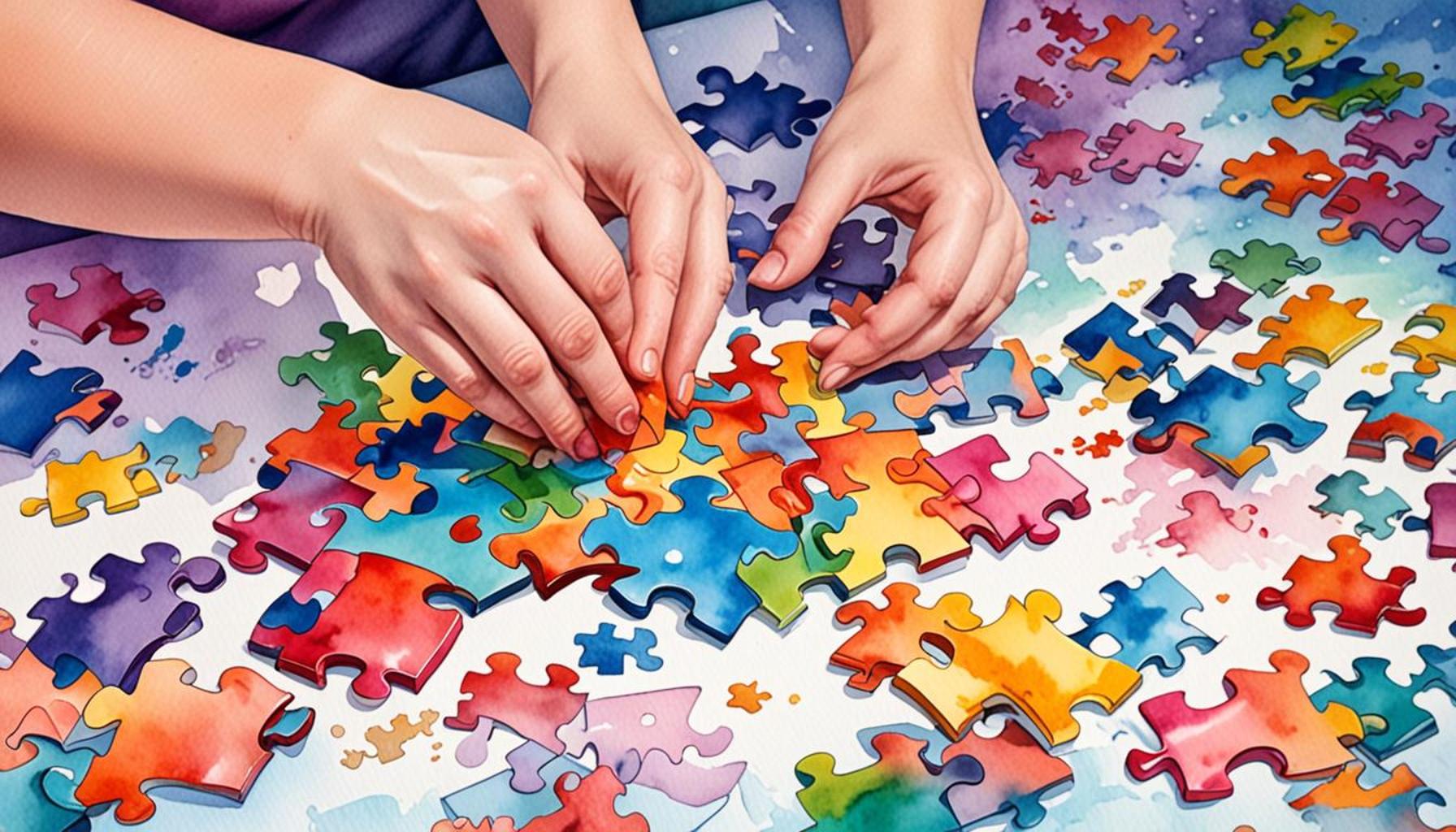
Jigsaw puzzles, with their vibrant pieces and intricate designs, offer a different kind of challenge. Beyond mere assembly, these puzzles foster spatial awareness and patience. Researchers have observed that working on jigsaw puzzles can enhance visual-spatial reasoning, a skill that is increasingly valued in fields such as science, engineering, and technology. Completing a jigsaw puzzle also provides a satisfying sense of accomplishment, reinforcing perseverance.
Logic puzzles, meanwhile, serve as a mental gymnasium for developing analytical skills and deductive reasoning. These puzzles often present scenarios that require solvers to think critically and methodically to arrive at the right conclusion. They enhance one’s ability to parse through information, identify patterns, and solve complex problems—skills that are essential in both professional and personal contexts.
Numerous studies suggest that regularly engaging with various types of puzzles can lead to numerous cognitive benefits, including:
- Improved cognitive function: Regularly challenging the brain keeps it sharp and may delay the onset of cognitive decline.
- Enhanced memory retention: Puzzles require memorization and recall of information, strengthening memory pathways.
- Greater adaptability in complex situations: Solving puzzles promotes mental flexibility, making it easier to navigate new challenges.
As we delve deeper into the world of puzzles, it becomes clear that these simple activities have the power to transform our thought processes. They can unlock hidden strengths, encouraging innovation and effective problem-solving in every aspect of life. Whether you are looking to unwind or seeking a challenge, incorporating puzzles into your routine can lead to both personal growth and enjoyment. So why not pick up a puzzle today and unlock the treasure trove of cognitive benefits it has to offer?
DIVE DEEPER: Click here for more insights
Puzzles as Pathways to Innovative Thinking
Puzzles are not merely diversions; they serve as essential tools for stimulating both creativity and critical thinking. Engaging with these challenges provides an opportunity to rewire cognitive pathways, ultimately enhancing one’s ability to approach complex problems with innovation and insight. By stepping into the intricacies of puzzles, individuals are granted access to a vibrant mental landscape where creative solutions flourish.
To begin understanding how puzzles foster such important cognitive skills, one must consider the various types of puzzles available. Each type offers unique avenues for exploration and problem-solving, allowing individuals to harness their creative potential. For instance, crossword puzzles inherently blend vocabulary and general knowledge with logic, requiring solvers to think beyond the standard definitions and draw upon a broad base of knowledge. This process promotes a flexible mindset, encouraging players to think divergently, which is often a key component of creativity.
Moreover, engaging with jigsaw puzzles develops not just patience and focus but also spatial reasoning—an important facet of visual-spatial intelligence. As participants work to assemble scattered pieces into a cohesive image, they train their brains to visualize the end product and navigate through various orientations. This skill not only aids in puzzle-solving but also enhances creativity in fields such as design, architecture, and engineering.
Research backs up these claims, indicating that regular practice with puzzles can substantially contribute to cognitive development. Studies suggest that people who frequently engage in activities requiring problem-solving, like puzzles, often demonstrate greater flexibility in their thinking and problem-solving approach. These skills are crucial in today’s fast-paced and often unpredictable world, where adaptability is more important than ever.
- Increased creativity: By providing a safe space to explore ideas and relationships between concepts, puzzles encourage innovative thinking.
- Enhanced critical thinking: As puzzles require evaluative skills and the ability to reason through complex scenarios, participants naturally develop sharper analytical abilities.
- Stronger problem-solving skills: Regular engagement with puzzles leads to improved strategies for tackling obstacles in everyday life.
The interplay of these skills derived from puzzles not only supports academic pursuits but is also invaluable in professional environments. Mindful of these benefits, many educators incorporate puzzles into their curricula, recognizing that the alignment of fun and learning can yield great results in student performance and engagement.
As we further explore how different puzzle types contribute to enhanced creativity and critical thinking, it becomes evident that these engaging challenges hold the key to unlocking one’s cognitive potential, making them more than just a pastime. So, the next time you find yourself with some spare time, consider reaching for a puzzle—your brain might just thank you later.
How Puzzles Stimulate Creativity and Critical Thinking
Puzzles are more than just a pastime; they are a vital exercise for the brain, offering numerous cognitive benefits that enhance both creativity and critical thinking. Engaging in various types of puzzles, such as jigsaws, crosswords, and logic puzzles, serves as a stimulating workout that challenges individuals to think in innovative ways.
One of the most fascinating aspects of solving puzzles is the way it promotes divergent thinking. This cognitive process involves generating multiple solutions to a given problem, which is essential for creativity. When confronted with a puzzle, individuals are compelled to explore different angles and approaches, fostering an environment where original ideas can flourish.
Additionally, puzzles enhance problem-solving skills, a cornerstone of critical thinking. As solvers work to piece together various components of a puzzle, they must analyze information, weigh options, and make decisions based on available evidence. This analytical process mirrors real-world problem-solving scenarios, equipping individuals with the tools necessary to navigate complex challenges both in personal and professional settings.
Moreover, the repetitive nature of puzzles aids in reinforcing spatial awareness and logical reasoning. By manipulating pieces in a jigsaw or decoding clues in a riddle, individuals engage different parts of their brain, unlocking pathways to creative solutions that they may not have considered otherwise.
To dive deeper into these intriguing benefits, consider the following table that outlines key advantages of puzzles and their contribution to creativity and critical thinking.
| Category | Key Features |
|---|---|
| Divergent Thinking | Encourages generating multiple solutions, enhancing creativity. |
| Problem-Solving Skills | Improves analytical thinking, decision-making, and logical reasoning. |
As we continue to explore the ways puzzles enrich our cognitive abilities, it’s evident that incorporating them into daily routines can yield significant improvements not only in creative expression but also in critical analysis, making them an indispensable tool for mental development.
DISCOVER MORE: Click here to learn about the benefits of memory games
Engagement and Cognitive Development through Puzzles
Puzzles also encourage a deeper engagement with cognitive processes, further stimulating creativity and critical thinking. One notable form of puzzle that warrants attention is the logic puzzle, which challenges players to deduce answers through reasoning rather than guesswork. Often found in newspapers and across puzzle apps, these challenges require participants to analyze clues and establish connections. This process not only develops logical reasoning skills but also fosters an analytical mindset that can be advantageous in various real-life applications.
For example, consider the classic Sudoku puzzle, which demands strategic thinking and pattern recognition. By filling in the grid according to specific rules, players must evaluate multiple scenarios before arriving at a solution. This exercise trains the brain to weigh options and anticipate consequences, enhancing both creative problem-solving abilities and decision-making processes in personal and professional scenarios. Numerous studies indicate that engaging with logic puzzles can lead to improved mathematical and analytical skills, proving their worth beyond mere entertainment.
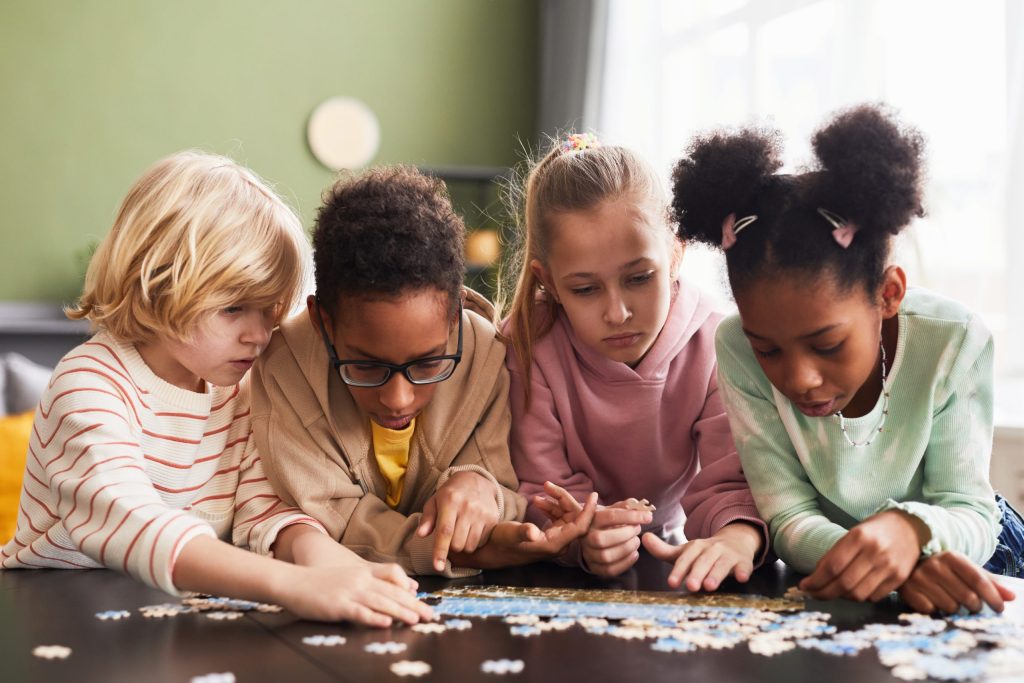
Another intriguing aspect is the role of team-based puzzles in promoting collaboration and collective creativity. Activities such as escape rooms or team jigsaw puzzles require participants to communicate effectively and share ideas to solve problems within a time limit. This collaborative effort not only draws on individual strengths but also creates an environment where innovative thinking is nurtured. Research shows that brainstorming solutions as a team can lead to more diverse ideas, driving enhanced creative collaboration that is essential in workplace environments.
Moreover, the psychological concept of flow—characterized by complete immersion and enjoyment in an activity—often emerges when engaging with puzzles. This state enhances creativity by allowing individuals to focus deeply on the task at hand, leading to spontaneous bursts of innovative ideas. As players encounter challenges and overcome them, they build confidence in their problem-solving abilities, further reinforcing a creative mindset.
- Development of logical reasoning: Logic puzzles push individuals to rely on their reasoning abilities, essential in developing critical thinking skills.
- Fostering teamwork: Group puzzle-solving experiences promote collaboration, creativity, and the ability to work collectively toward a common goal.
- Inducing a flow state: Engaging deeply with puzzles creates a productive environment that encourages innovative and creative thought.
Incorporating such activities into daily routines can add significant value to not just personal development, but also to professional performance. As businesses increasingly recognize the importance of creative teams to foster innovation, puzzles can serve as an effective tool for enhancing the creativity and critical thinking skills of employees. Employers looking to boost team dynamics and problem-solving capabilities may find that introducing puzzle challenges into their work culture leads to tangible improvements in idea generation and collaboration.
At its core, the invitation to engage with puzzles transcends simple entertainment—it’s an opportunity to sharpen the mind and cultivate vital skills for the modern world. The rich landscape of puzzles provides a fertile ground for developing innovative strategies and thought processes that extend far beyond the realm of games.
DIVE DEEPER: Click here to discover more
Conclusion
In summary, the world of puzzles offers a compelling avenue for enhancing creativity and critical thinking skills. Through engaging with various forms of puzzles—ranging from logic challenges like Sudoku to collaborative activities such as escape rooms—individuals can develop essential cognitive abilities while having fun. These brain-teasers not only promote logical reasoning and analytical thinking, but they also nurture skills in teamwork and communication, vital aspects of today’s dynamic work environment. The collaborative nature of puzzles fosters an atmosphere of innovation, where diverse perspectives can lead to better problem-solving outcomes.
Moreover, as players immerse themselves in these challenges, the psychological state of flow often emerges, producing enhanced creativity and the potential for unique insights. Regular engagement with puzzles does not merely serve as a pastime; it cultivates a mindset that is open to new ideas and agile in tackling obstacles. As research continues to highlight the cognitive benefits derived from puzzle-solving, both individuals and organizations are encouraged to incorporate these activities into daily practices.
As we navigate an increasingly complex world, embracing puzzles as tools for learning and growth can unlock untapped creative potential and sharpen critical thinking skills. Ultimately, the invitation to solve puzzles opens doors to better cognitive health and innovative capabilities that can resonate across all facets of life.