The influence of group puzzles on promoting collaborative thinking and empathy among adolescents
Unlocking the Benefits of Collaborative Problem-Solving
In today’s fast-paced environment, the ability to communicate effectively and work alongside others is more crucial than ever, especially for adolescents navigating the complexities of social dynamics. Group puzzles present a unique opportunity to hone these essential social skills in a fun and interactive way. As young people engage in collaborative problem-solving activities, they not only challenge their cognitive capabilities but also gain invaluable insights into the workings of human relationships.
One of the standout benefits of utilizing group puzzles is the promotion of enhanced communication. When teens come together to tackle intricate problems, they must articulate their ideas clearly and listen attentively to their peers. This process often leads to the emergence of new ideas through constructive dialogue. For instance, in a group tasked with solving a challenging riddle, participants might share various interpretations that can inspire innovative approaches. This exchange is vital as it helps them recognize the value of diverse perspectives, an important skill as they prepare for a diverse workplace in the future.
Critical thinking is another vital aspect nurtured through group puzzle activities. Problem-solving in groups pushes adolescents to think outside the box and adapt their strategies to fit the group’s dynamics. For example, working collaboratively on a physical puzzle or strategic game encourages them to evaluate their methods and consider alternative solutions. This not only strengthens their problem-solving skills but also boosts their confidence, as they see the impact of their contributions to the group’s success.
As teamwork develops, so does emotional intelligence. Engaging in collaborative activities offers teens a chance to nurture their empathetic skills as they learn to understand and appreciate different viewpoints. Empathy is vital in fostering strong relationships and combatting issues like bullying or isolation, which many adolescents face. By navigating these interpersonal dynamics through group puzzles, they can learn to be supportive friends and compassionate leaders.
Research underlines the importance of interactive activities within the classroom. For example, studies have shown that students who participate in group tasks experience a range of benefits, including:
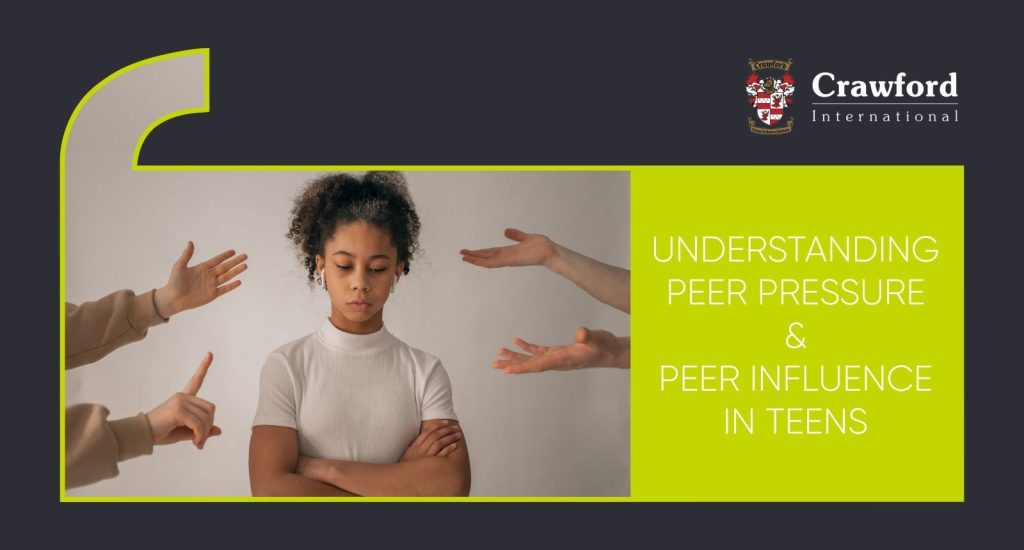
- Significant improvements in peer relationships.
- Increased motivation and engagement in academic settings.
- A strengthened sense of belonging within the group and community.
Harnessing the power of collaborative learning extends beyond fun and games; it promotes deeper understanding and connection among young individuals. Schools and communities that integrate group puzzles into their curricula harness the potential of these activities to nurture well-rounded individuals prepared to face the complexities of modern life.
Exploring the mechanics of how group puzzles facilitate both intellect and emotion offers a pathway to shaping future leaders. By creating environments where problem-solving is a shared endeavor, educators can inspire adolescents to unlock their potential, fostering a generation that values cooperation and empathy as much as individual success.
DISCOVER MORE: Click here to dive deeper into the world of puzzles
Strengthening Collaborative Thinking Through Shared Challenges
Group puzzles serve as a practical framework where collaborative thinking can flourish among adolescents. Research highlights that when young individuals work together to solve puzzles, they are not only engaging their cognitive abilities but also learning the art of cooperation. The nature of group puzzles requires participants to share responsibilities, distribute tasks, and make collective decisions. This interaction fosters a group dynamic where each member feels a sense of ownership over the outcome, thus emphasizing the importance of shared goals and teamwork.
One notable aspect of group puzzles is the promotion of active participation. In a group setting, each adolescent has the opportunity to contribute their strengths, whether they are strategic thinkers, creative problem-solvers, or excellent communicators. For example, during a team-based escape room challenge, participants must leverage their unique talents. A strategic thinker might help devise a plan, while a strong communicator ensures that all ideas are voiced and considered, showcasing how different skill sets complement one another. This experience enables them to appreciate one another’s strengths and weaknesses, which is a vital component of fostering empathy.
Empathy naturally evolves in such collaborative environments. Adolescents begin to understand the diverse perspectives that each member brings to the table. It is through recognizing these differences that they learn to approach conflicts with compassion and respect. The practice of disagreeing constructively during a group puzzle can translate into real-life situations, equipping them with problem-solving skills that are applicable beyond school. Studies suggest that students who engage in collaborative tasks demonstrate a greater capacity for empathy and interpersonal effectiveness compared to those who work alone.
The undeniable bond formed through group puzzles leads to strengthened relationships, which can mitigate common adolescent issues such as social anxiety and loneliness. Participants become more aware of their peers’ feelings and thought processes. Here are some notable outcomes resulting from such collaborative efforts:
- Improved ability to navigate social conflicts.
- Increased self-awareness and understanding of one’s emotions.
- Heightened ability to empathize with others’ experiences and viewpoints.
Furthermore, educators and parents are starting to recognize the significance of group puzzles as an educational tool. Schools can effectively utilize this methodology not just for fun, but as a strategic means to enhance emotional and social learning. The integration of group puzzles into curricula supports the development of vital soft skills that employers increasingly seek in the workforce. By fostering collaborative thinking and empathy, these activities cultivate well-rounded individuals who are ready to contribute thoughtfully to their communities.
In exploring how group puzzles serve as a catalyst for social growth, we uncover a blueprint for nurturing the next generation of leaders. The experiences gained through these interactions not only prepare adolescents for future challenges but also set a foundation for lasting relationships built on respect and understanding.
As educators and psychologists have explored new methods to engage adolescents in learning, group puzzles have emerged as an innovative tool for fostering both collaborative thinking and empathy. By working together to solve complex problems, teenagers are not only challenged intellectually but are also guided toward understanding diverse perspectives. The act of collaborating on puzzles encourages students to communicate effectively, listen actively, and negotiate solutions while respecting differing opinions.
This interactive experience can significantly impact their social emotional development. Engaging in group puzzles promotes a sense of belonging, which is crucial during adolescence. As participants navigate challenges, they learn to recognize and appreciate the strengths of their peers. This mutual respect and understanding can lead to more profound empathy, allowing adolescents to connect with others on a more personal level, thereby strengthening their interpersonal relationships.
Furthermore, when adolescents face challenges together, they cultivate essential life skills such as patience, adaptability, and conflict resolution. These skills are not only beneficial in academic settings but also translate into real-world interactions. Promoting such environments in educational institutions not only enriches the learning experience but also equips individuals for future collaborative endeavors in their personal and professional lives.
The comprehensive benefits of collaborative puzzle-solving are substantial, presenting an opportunity for educational systems to rethink traditional teaching methodologies. By incorporating this innovative approach, educators can provide a unique platform that enhances cognitive skills while nurturing empathetic and cooperative behavior among adolescents.
| Advantage | Description |
|---|---|
| Enhances Collaborative Skills | Group puzzles necessitate teamwork, encouraging adolescents to share ideas and develop strategies together. |
| Fosters Empathy | Working with diverse peers enhances emotional understanding and appreciation of different perspectives. |
In essence, the integration of group puzzles into educational frameworks can create a robust environment for learning, empathy, and collaboration among adolescents, ultimately producing well-rounded individuals prepared for the complexities of modern society.
DISCOVER: Click here to deepen your understanding
Enhancing Emotional Intelligence Through Puzzle-Based Interaction
The incorporation of group puzzles in adolescent activities does not merely enhance collaborative thinking but also plays a pivotal role in the development of emotional intelligence. Emotional intelligence, defined as the ability to identify, understand, and manage one’s own emotions while recognizing and influencing the emotions of others, is crucial for nurturing resilient, empathetic individuals. Group puzzles inherently require participants to engage emotionally as they navigate challenges, support one another, and celebrate collective accomplishments. This environment serves as a laboratory for adolescents to experiment with emotional interactions in real-time.
For instance, during group puzzle-solving tasks, adolescents often encounter obstacles that elicit varying emotional responses. They may experience frustration when a solution appears elusive or excitement as they inch closer to completion. These instances encourage participants to articulate their feelings and recognize those of their peers. A study conducted by the American Psychological Association found that adolescents who regularly participated in team-based problem-solving demonstrated improved emotional regulation skills compared to their peers who engaged more in solitary activities. This emotional navigation builds a more profound awareness of how emotions influence behaviors within group dynamics.
Additionally, the act of bonding through struggles fosters a culture of empathy. As teams face hurdles together, members learn to contextualize their experiences, leading to deeper connections. In a study published in the Journal of Adolescence, researchers noted that adolescents who engaged in cooperative tasks reported significantly higher levels of empathy and emotional understanding towards their peers, which translated into positive social behaviors such as increased collaboration and less confrontation.
The influence of group puzzles extends beyond immediate emotional development, equipping adolescents with skills necessary for navigating the complexities of future interpersonal relationships. Participants are encouraged to listen actively, provide constructive feedback, and negotiate differing viewpoints. This collaboration is crucial in today’s increasingly connected yet divided world. For instance, classroom activities involving group puzzles can prepare adolescents for diverse workplace environments where teamwork and emotional acumen are paramount. Furthermore, the emphasis on emotional intelligence and empathy dovetails with the growing recognition in educational settings of the importance of social-emotional learning (SEL), which has been shown to enhance academic performance as well.
Moreover, group puzzles have the unique capacity to shift behavioral patterns associated with bullying, social isolation, or the “us versus them” mentality. By creating shared goals and fostering an inclusive atmosphere, these puzzles reduce barriers and open avenues for friendship across diverse social groups. Such interactions can diminish stereotypes and empower adolescents to seek common ground—a vital lesson in today’s multicultural society. Studies from the National Center for Education Statistics indicate that emotional awareness cultivated through group activities correlates with reduced bullying incidents in schools, highlighting the transformative potential of collaborative experiences.
Ultimately, when adolescents engage in group puzzles, they are not merely solving problems; they are cultivating a nuanced understanding of human emotions and social interactions. The skills acquired through these experiences are lifelong assets, invaluable both in personal relationships and within the broader professional landscape. As educators and communities emphasize the importance of emotional intelligence, the value of group puzzles as a developmental tool will likely become increasingly apparent.
DIVE DEEPER: Click here to discover more
Conclusion
As we delve into the multifaceted influence of group puzzles on adolescents, it becomes evident that these collaborative activities extend far beyond mere entertainment. They serve as crucial pedagogical tools that foster collaborative thinking and cultivate essential skills such as empathy and emotional intelligence. By uniting young minds in the pursuit of a shared goal, group puzzles not only challenge intellectual capacities but also fortify social bonds through shared experiences of accomplishment and struggle.
The positive outcomes of engaging in group puzzles are reflected in numerous studies highlighting improvements in emotional regulation, empathy, and even reductions in bullying behavior. Facilitating teamwork drives participants to navigate diverse perspectives, articulate feelings, and ultimately build a culture of understanding. This emotional navigation is fundamental, as today’s adolescents are confronted with the complexities of social interactions in an increasingly interconnected world.
Moreover, the benefits of these activities transcend the immediate educational environment. The skills acquired through group puzzle-solving are invaluable assets that prepare adolescents for future workplace dynamics and interpersonal relationships. With the growing emphasis on social-emotional learning (SEL) in educational policy, the integration of group puzzles in curricula seems not only impactful but necessary for holistic development.
In conclusion, leveraging group puzzles to promote collaborative thinking and empathy stands to significantly enrich the developmental landscape for adolescents. As communities, educators, and caregivers seek to equip young people for future challenges, the potential of these collaborative endeavors invites a deeper investigation into their role as transformative tools in shaping emotionally intelligent, empathetic individuals ready to navigate the complexities of life together.