The influence of group reasoning games on the development of social and cognitive skills in young adults

The Impact and Benefits of Group Reasoning Games
As young adults transition through various life stages, the pressure to master a range of skills becomes increasingly important. Particularly in a fast-paced world that values collaboration and creative problem-solving, group reasoning games emerge as effective tools for personal development. These games not only serve as a source of entertainment but also play a fundamental role in enhancing key skills that are critical in today’s competitive environments.
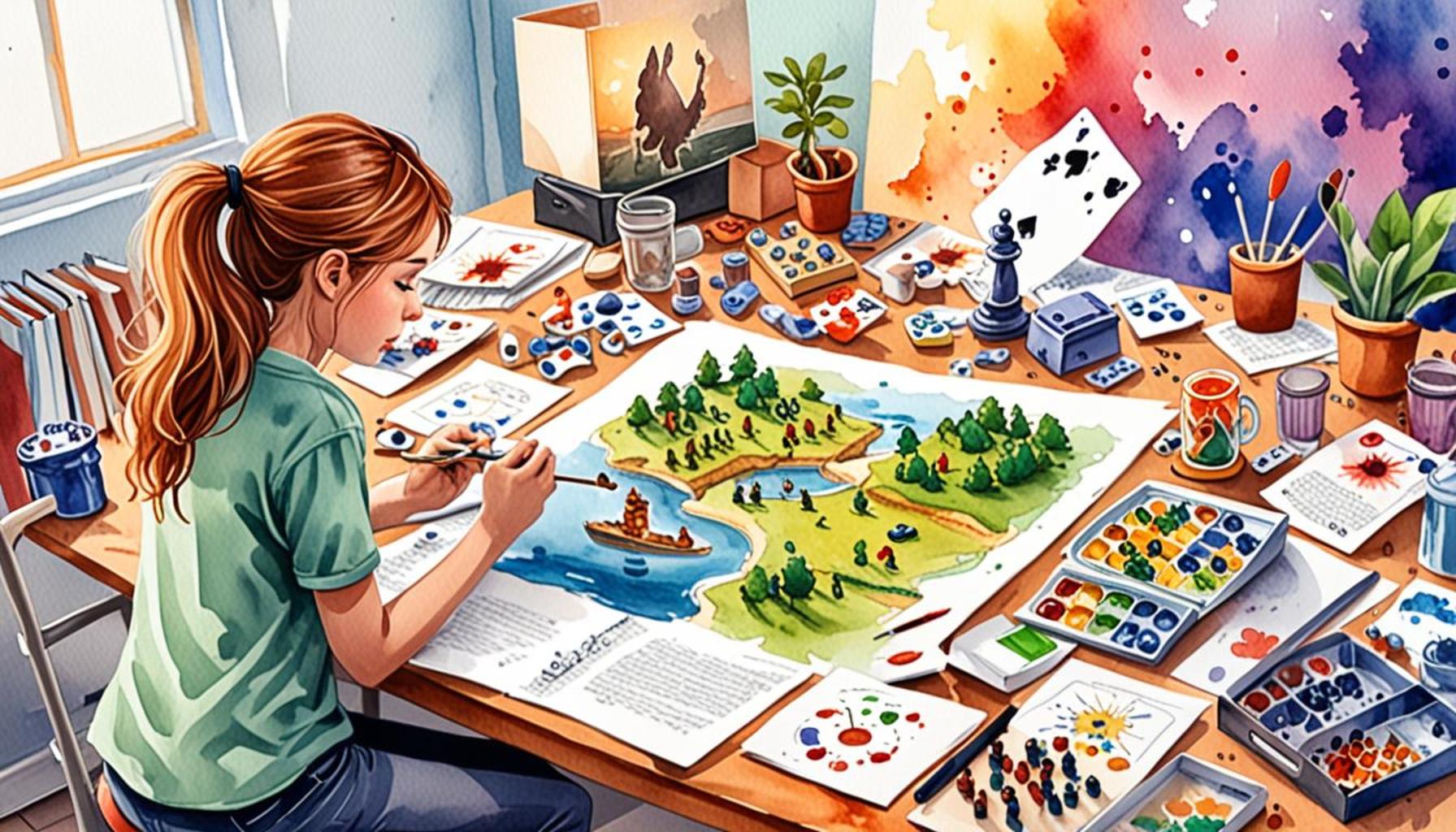
Group reasoning games can take many forms, from board games like Catan that require strategic thinking and resource management to escape room challenges that encourage teamwork and time management. These interactive experiences promote engagement among participants, paving the way for deeper insights into their own reasoning abilities and social interactions.
The core features of group reasoning games contribute significantly to skill development:
- Critical Thinking: Players are often presented with complex scenarios that necessitate careful analysis and the formulation of effective strategies. For example, in games where players must negotiate for resources or solutions, they practice evaluating options and predicting the consequences of their choices.
- Communication Skills: Effective dialogue is essential for navigating team dynamics, whether through exchanging ideas in a game like Coup or arguing the merits of a strategy in a discussion-based game. These interactions teach young adults how to articulate their thoughts clearly and persuade others, skills that are invaluable in both academic and workplace settings.
- Teamwork: Success often hinges on collective effort and a recognition of diverse perspectives. Many group reasoning games require players to merge their ideas and collaborate, further enhancing their appreciation for collaboration—an essential quality in any professional environment.
Research indicates that engaging in such activities not only enhances social skills but also promotes cognitive development. A study conducted by Stanford University found that students who participated in collaborative reasoning activities showed significantly improved problem-solving skills compared to those who did not. As young adults prepare for the demands of higher education and their future careers, integrating these games into their regular routines can provide them with a competitive edge.
Incorporating reasoning games into family gatherings, educational curriculums, or social meet-ups can be an enjoyable way to cultivate these essential skills. Educators and parents alike are encouraged to explore options that leverage the unique dynamics of group reasoning games, thereby ensuring that young adults not only have fun but also gain tools that will serve them throughout their lives. With the right approach, engaging in these games can transform skill-building into an exciting and impactful experience.
DIVE DEEPER: Click here to uncover more insights
Enhancing Skills Through Interactive Play
The landscape of cognitive and social skill development is continuously evolving, with group reasoning games standing out as a modern, effective avenue for young adults to enhance these capabilities. These games invite players into immersive scenarios that demand cooperative thinking, critical analysis, and strategy—all of which are indispensable in today’s complex social and professional landscapes. As the need for effective communication, collaboration, and problem-solving intensifies, understanding how group reasoning games contribute to these skills becomes paramount.
At their core, group reasoning games create a dynamic and interactive environment where players must rely on one another for success. This synergy fosters an atmosphere of cooperation and collective problem-solving, shaping not just individual abilities but also enhancing group dynamics. Here, we explore several facets of skill development stimulated by these engaging activities:
- Analytical Skills: Group reasoning games often present challenges that require players to assess multiple perspectives critically. For instance, in games such as Pandemic, players must analyze the board state, anticipate opponent moves, and devise a coordinated response. This process encourages young adults to break down complex situations into manageable parts, honing their analytical thinking.
- Emotional Intelligence: Navigating group dynamics in games necessitates a keen awareness of others’ feelings and motivations. Players learn to read emotional cues and adapt their strategies accordingly, building empathy and interpersonal skills. This understanding is crucial not only within games but also in real-world interactions where awareness of social cues can significantly impact outcomes.
- Leadership Skills: Group reasoning games often prompt individuals to take charge, shaping them into potential leaders. By encouraging decision-making and conflict resolution within a collaborative environment, players can discover their leadership styles and understand how to inspire their peers. Games like Werewolf or The Resistance exemplify this, as players must navigate social deception while guiding their teammates toward victory.
Moreover, several studies reinforce the notion that group reasoning games offer substantial benefits in developing cognitive skills. Research conducted by the University of California found that students engaged in regular group game sessions demonstrated enhanced cognitive flexibility and improved working memory. These findings suggest that the mental engagement required by such games not only challenges players but also prepares them for future intellectual pursuits.
As group reasoning games grow in popularity among young adults, their incorporation into various settings—be it college campuses, workplaces, or social gatherings—suggests an emerging culture that values collaborative engagement. By crafting environments where young adults can playfully explore their social and cognitive edges, we can bolster their readiness for the multifaceted demands of modern adulthood.
The influence of group reasoning games on the development of social and cognitive skills in young adults is profound. These interactive activities foster not only critical thinking but also collaboration among participants. Young adults often find themselves navigating complex social landscapes, and engaging in group reasoning games equips them with necessary tools to enhance their interpersonal skills. For instance, while playing strategy games that require team coordination, players learn to communicate effectively, listen actively, and negotiate diverse viewpoints.
Moreover, these games promote cognitive flexibility, allowing young adults to adapt their thinking and problem-solving strategies in real-time. This adaptability is essential in today’s fast-paced world, where cognitive skills are continually tested in various social and professional contexts. By actually participating in group reasoning settings, they develop resilience in facing challenges, which builds a robust foundation for lifelong learning.
As young adults engage in these games, they also experience an increase in their emotional intelligence. The games create scenarios where empathy and emotional regulation come into play, helping participants recognize and manage their emotions as well as those of others. With this heightened awareness, young adults can better navigate social interactions, leading to stronger relationships both personally and professionally.
Research consistently shows that the benefits of group reasoning games extend beyond mere entertainment; they serve as dynamic platforms for skill development. As these participants reflect on their experiences, they not only gain insights regarding their own thinking patterns but also learn the importance of diverse perspectives. Such learning experiences are invaluable and stand to shape the future outlook of young adults as they transition into more complex social settings.
| Advantages | Impact |
|---|---|
| Enhanced Communication Skills | Participants improve their ability to convey ideas clearly, fostering effective teamwork. |
| Improved Problem-Solving Capabilities | Games encourage innovative thinking and strategy development for resolving complex scenarios. |
| Increased Emotional Intelligence | Engagement in group settings enhances understanding of emotions and interpersonal dynamics. |
| Cognitive Flexibility | Participants learn to adapt their thought processes when faced with new information. |
DISCOVER MORE: Click here to enhance your mental clarity
Cultivating Critical Thinking and Collaboration
Beyond personal enhancements, group reasoning games significantly contribute to the development of critical thinking and collaborative skills that are essential for success in interpersonal and professional environments. Engaging in these interactive experiences requires players to employ higher-order thinking skills that challenge traditional forms of cognitive engagement. For instance, games such as Codenames and Catan not only test players’ strategic acumen but also their ability to synthesize information and make informed decisions under pressure.
A key aspect of these games lies in their structure, which often includes scenarios with open-ended outcomes. Players are tasked with navigating uncertainty, learning to weigh various options, and evaluate risks while considering the viewpoints and strategies of their teammates. This necessity for effective collaboration mirrors real-world situations where young adults must work in teams, driving home the lesson that diverse perspectives enhance group decision-making. A study published in the *Journal of Applied Psychology* showed that groups engaged in collaborative reasoning through gameplay exhibited a 20% increase in collective problem-solving effectiveness compared to those who worked individually.
- Negotiation Skills: Group reasoning games often involve negotiation as players work to achieve common goals. Games like Diplomacy require players to negotiate alliances, manage conflicts, and persuade peers, which fosters important negotiation skills. Young adults learn the art of compromise, allowing them to understand different opinions and motivations, key components of effective teamwork.
- Conflict Resolution: In an interactive gaming environment, conflicts can arise as strategies clash. Engaging in discussions to resolve differences allows players to practice calm, rational discourse. For example, in a game like 7 Wonders, players face competition while needing to amicably manage their boys and strategies so as to avoid hostility. The skills developed in such scenarios are transferable to real-life situations, where conflict resolution is increasingly valued.
- Trust Building: Trust is integral to successful teamwork, and group reasoning games allow young adults to cultivate this essential element. Through shared experiences and repeated gameplay, individuals can build rapport with peers, understanding that success in a cooperative setting oftentimes relies on trust. As found in a study from the American Psychological Association, teams exhibiting higher levels of mutual trust significantly outperform those with low trust, indicating just how critical this aspect is.
Moreover, findings from a survey conducted by the National Institute of Mental Health revealed that regular engagement in group reasoning games correlates with a reduction in stress and anxiety levels among young adults. Participants reported feeling more connected to peers and better equipped to handle social situations outside of gaming. This suggests that the environment cultivated in gameplay not only sharpens cognitive abilities but also enhances social well-being.
The surge in group reasoning games across college campuses and communal areas argues for a continued investment in integrating these activities into social and educational frameworks. As more young adults recognize the multifaceted benefits of gameplay—ranging from improved social interactions to enhanced cognitive functions—the trend toward collaborative reasoning games is likely to solidify its place in skill development for the future workforce.
DISCOVER MORE: Click here to dive into the therapeutic benefits of crossword puzzles
Conclusion: Embracing the Power of Play
The exploration of group reasoning games underscores their profound impact on the development of both social and cognitive skills in young adults. Through immersive gameplay, participants not only sharpen their critical thinking but also enhance collaboration, negotiation, and conflict resolution abilities, which are increasingly vital in today’s interconnected world. As evidenced by various studies, these games foster an environment conducive to trust-building and cohesion among peers, making them a valuable tool for nurturing teamwork skills.
Moreover, with the added benefit of reducing stress and improving social connectedness, group reasoning games offer a unique blend of cognitive engagement and emotional support. This dual advantage not only prepares young adults for academic and professional challenges but also enriches their personal lives, promoting a healthier social dynamic. The evidence suggesting a 20% increase in problem-solving effectiveness among collaborative players further emphasizes the effectiveness of these games in cultivating essential life skills.
As the popularity of these games continues to rise in educational and community settings, it is imperative for institutions and organizers to recognize their potential. By integrating group reasoning games into learning environments, we equip young adults with the tools necessary to navigate complex social landscapes, fostering a generation that is not only intellectually capable but also socially adept. As we look to the future, the influence of these games on skill development marks a pivotal shift in how we view play as a fundamental component of personal and professional growth.