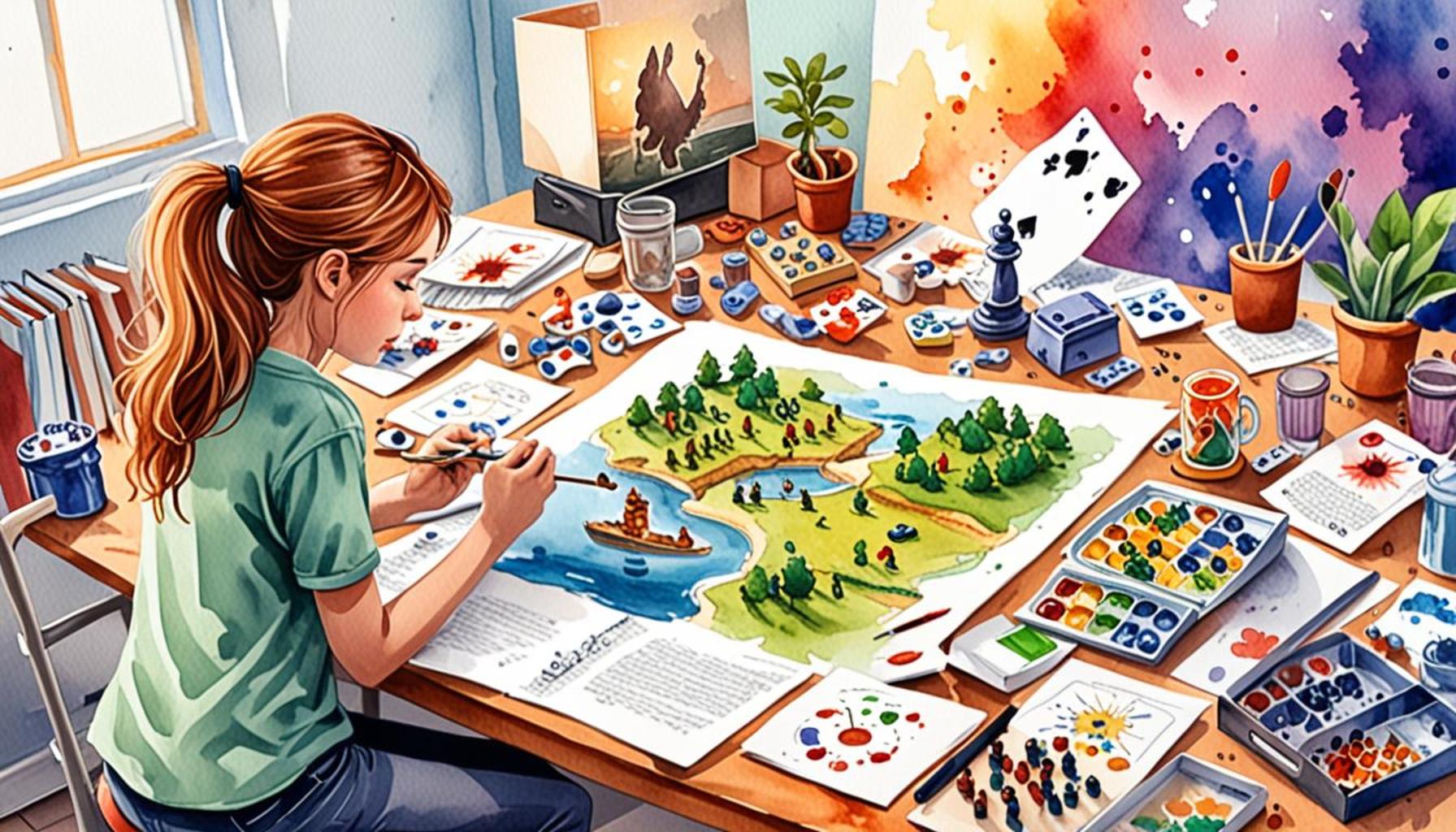
How Online Strategy Games Can Stimulate Critical Thinking and Decision-Making in Adults

Engaging Minds Through Digital Challenges
In a world dominated by instant information and quick decisions, online strategy games stand out as a powerful tool for enhancing critical thinking and decision-making skills among adults. These games not only entertain but also require players to engage in complex problem-solving and strategic planning. In this digital age, where cognitive skills can sometimes take a backseat to speed and efficiency, strategy games serve as an unexpected ally in the quest for mental sharpness.
Consider these features that make online strategy games effective:
- Resource Management: Players must learn to allocate resources wisely, making tough choices that affect their outcomes. For example, in “StarCraft II,” players decide how to use their limited resources to build units and structures while also expanding their territory, prompting them to balance immediate needs with long-term strategy.
- Real-Time Decision Making: Many games involve urgent situations that demand quick thinking and adaptability. In “Age of Empires,” for instance, an unexpected attack from opponents can force players to adjust their strategies on the fly, reinforcing the importance of being able to pivot quickly under pressure.
- Simulation of Real-Life Scenarios: Players face challenges similar to those in real-world situations, enhancing their practical skills. Games like “The Sims” require players to balance work, relationships, and personal ambitions, mirroring real-life responsibilities and choices.
Research suggests that engaging in these games can lead to improved cognitive abilities, making them more than just a pastime. Studies have shown that playing strategy games can enhance brain functions such as spatial reasoning and multitasking. As millions of adults delve into immersive worlds and complex narratives, they also sharpen their mental agility. In fact, a study from the University of California found that individuals who regularly played strategic video games performed better in cognitive tasks related to problem-solving and planning.
Furthermore, the diverse range of online strategy games available means there’s something for everyone—from managing civilizations in games like “Civilization VI,” where players shape the course of history, to plotting military tactics in “Total War,” which immerses players in deep historical contexts. As these digital platforms continue to evolve, their role in developing essential skills cannot be overlooked. With regular updates and expansions, these games often introduce new mechanics that keep players engaged and thinking critically, pushing them to adapt their strategies continually.
As technology advances, the line between entertainment and education continues to blur. It’s worth noting that while these games offer a unique opportunity for skill development, moderation is key. Balancing gameplay with other intellectual pursuits and real-world interactions remains crucial for holistic cognitive growth. As adults explore the vast landscapes of these online worlds, they may not only find leisure but also a rich ground for honing their minds.

DISCOVER MORE: Click here to enhance your cognitive skills
The Mechanics Behind Strategy Games
At the heart of online strategy games lies a carefully crafted set of mechanics that not only captivate players but also actively promote critical thinking and sharpen decision-making skills. These mechanics combine elements of planning, foresight, and the management of multiple factors, alongside a competitive environment that encourages players to think outside the box. Unlike traditional games with set rules and linear paths to victory, strategy games often demand adaptability and innovation. This dynamic nature makes them particularly effective for adult players seeking to enhance their cognitive abilities.
One of the core elements that drive this engagement is strategic planning. As players navigate through digital landscapes—whether it’s building a sprawling empire in “Civilization” or commanding troops in “Total War”—they must devise long-term strategies that anticipate their opponents’ moves. This compels players to consider various outcomes and weigh the consequences of their actions. Such planning transcends digital realms, leading to improved abilities in real-life scenarios such as project management or investment strategies.
Additionally, the concept of incremental learning plays a crucial role in how these games stimulate cognitive growth. Each game session often introduces new challenges and objectives, requiring players to adapt their strategies continuously. This ongoing learning process creates an environment where players can experiment, fail, and succeed—each outcome providing valuable lessons on effective decision-making. For example, in games like “StarCraft II,” players might learn that a particular tactical approach works well against one opponent but falters against another, encouraging them to reassess their strategies and refine their gameplay.
- Enhanced Problem-Solving Skills: Adults can develop advanced problem-solving techniques as they tackle complex in-game challenges, requiring analysis and logic.
- Confidence Building: By experimenting with different strategies and learning from mistakes, players build resilience and self-confidence in decision-making.
- Long-Term Thinking: Many strategy games emphasize the importance of foresight, teaching players to think several steps ahead as they build their plans.
Furthermore, online strategy games foster a sense of community and collaboration through multiplayer modes. Engaging with other players can amplify the learning experience, as individuals share strategies, exchange ideas, and challenge one another in real-time. This interaction often leads to a deeper understanding of complex concepts, whether in the context of game mechanics or broader themes like economics and geopolitics. As adults collaborate with peers, they refine their critical thinking abilities in a social context, reinforcing the value of communication in strategic decision-making.
As the gaming industry continues to innovate, the potential for online strategy games to enhance critical thinking and decision-making skills is undeniably significant. The immersive experiences these games offer not only entertain but also enrich players’ lives by fostering essential cognitive skills—skills that are increasingly relevant in today’s fast-paced world.
How Online Strategy Games Can Stimulate Critical Thinking and Decision-Making in Adults
Online strategy games have surged in popularity, not just as mere entertainment but as powerful tools for enhancing cognitive abilities. Players are immersed in complex scenarios that require them to analyze information, anticipate enemy moves, and develop multifaceted strategies. This multifaceted interaction can sharpen both critical thinking skills and decision-making capabilities.One of the core advantages of online strategy games is their ability to create real-time problem-solving environments. Players often face unexpected challenges that require immediate and effective responses. Engaging in these high-pressure situations fosters a deep understanding of cause and effect, encouraging players to consider the repercussions of their actions critically.Moreover, many online strategy games utilize resource management mechanics, pushing players to prioritize and allocate limited assets. This not only enhances strategic planning but also instills a strong sense of accountability for the outcomes of their decisions. As adults navigate through these virtual landscapes, they cultivate skills that can translate seamlessly into real-life scenarios, whether in personal finances or workplace projects.Additionally, the online community aspect of these games allows for collective strategic development. Collaboration with fellow players often leads to enriched discussions about theory and tactics, driving players to evaluate and refine their strategies based on new insights. This collaborative environment mirrors real-world team dynamics, enhancing interpersonal communication skills alongside critical thinking.To illustrate these points, let’s explore some of the unique benefits and categories through a structured table:
| Category | Advantages |
|---|---|
| Cognitive Challenges | Enhances problem-solving under pressure. |
| Resource Management | Fosters prioritization and strategic allocation. |
As we delve deeper into the intricacies of these online experiences, it becomes evident that they are not merely games but vital platforms for adult development. By engaging in conversations about strategy and tactics, players open avenues for further growth that extend beyond the game, influencing their professional and personal lives. Through these dynamics, online strategy games truly stimulate critical thinking and enhance decision-making in ways that are both profound and impactful.
DISCOVER: Click here to uncover the stress-relieving power of puzzles
The Real-World Applications of Strategic Gaming Skills
Much more than a pastime, online strategy games serve as a simulator for real-world challenges, making the skills acquired within the digital domain applicable to various aspects of life. The cognitive demands placed on players create an environment where critical thinking and decision-making skills are not just enhanced but are practiced repeatedly. In this section, we will delve deeper into how these skills translate to everyday scenarios and workplaces, demonstrating the far-reaching implications of strategic gaming.
One significant aspect of online strategy games is their emphasis on resource management. In titles like “Age of Empires” or “Clash of Clans,” players must gather, allocate, and utilize resources efficiently to maintain their competitive edge. This mirrors real-life situations such as budgeting, project planning, and time management. By managing resources in-game and facing the consequences of misallocation, players learn to develop a critical eye for resource evaluation, thereby enhancing their decision-making capabilities in both professional and personal contexts.
The idea of risk assessment is another critical skill honed through online strategy games. Players often find themselves at crossroads, where they must weigh potential gains against possible losses. This element is vividly illustrated in games like “XCOM,” where a single misstep can lead to dire consequences for a player’s team. Adults who regularly engage with such scenarios become adept at analyzing risk versus reward, a skill that is invaluable when making critical choices in the business world or even in navigating relationships.
- Scenario Planning: Strategy games require players to create contingency plans for their actions based on the evolving landscape. This preparedness fosters foresight, allowing players to anticipate challenges they may face in their professional lives.
- Negotiation Skills: Engaging with other players can lead to complex negotiations, employing tactics learned in-game to achieve favorable outcomes. This training in negotiation can prove crucial in corporate environments, where collaboration is often a necessity.
- Resilience Through Failure: Strategy games often incorporate failure as part of the learning process, pushing players to devise alternative strategies. This resilience is vital in the workplace, where setbacks can often lead to greater innovation if viewed through a lens of opportunity.
Furthermore, the digital communication elements embedded in many online strategy games enhance participants’ collaboration and teamwork skills. With multi-player options allowing teams to work towards a common goal, players must communicate effectively and delegate tasks according to individual strengths. This collaborative experience seamlessly translates to the workplace, where teamwork and strong communication skills are essential for success in an increasingly interconnected world.
In addition, the structured nature of strategy games means that they can often provide players with a framework for understanding complex systems—be it a business model or a social structure. For example, understanding supply chains in a game can translate into grasping how logistics work in real life, sharpening analytical skills that are critical for those engaged in industries that rely heavily on strategic planning, such as marketing, supply chain management, and entrepreneurship.
The blend of tactical challenges and social interaction found in online strategy games does not merely serve as entertainment; it builds crucial cognitive skills that can positively affect various facets of adult life. As the lines between gaming and real-world applications blur, players not only enjoy their virtual battles but also prepare themselves to win their real-life contests, whether in business, academics, or personal development.
DISCOVER MORE: Click here to enhance your memory techniques
Conclusion
In summary, online strategy games emerge as more than just recreational activities; they are *dynamic platforms* that foster the development of critical thinking and decision-making skills in adults. Through intricate gameplay that involves resource management, risk assessment, and scenario planning, players simulating real-world challenges acquire competencies that are crucial in everyday life and professional environments. By facing in-game dilemmas, individuals are consistently exercising their capacity to evaluate options and anticipate outcomes, paving the way for informed choices in various situations, from handling finances to navigating workplace dynamics.
This new understanding underscores the importance of integrating strategic gaming into personal development initiatives, as the skills acquired through these games can aid in enhancing one’s analytical abilities and fostering resilience in the face of adversity. As players learn to adapt and negotiate within the game context, they simultaneously cultivate transferable skills that are applicable across diverse fields—including business, education, and personal relationships.
Ultimately, engaging in online strategy games represents an exciting intersection of fun and functionality. Encouraging adults to embrace this form of gaming not only promises entertainment but also provides a framework for improving cognitive functions that are imperative in today’s fast-paced world. As we move further into the digital age, the potential benefits of these games should not be underestimated; they could very well be the catalysts for the next generation of critical thinkers and effective decision-makers.