The Role of Gamification in Enhancing Memory Retention Through Puzzles
The Power of Gamification in Enhancing Memory Retention
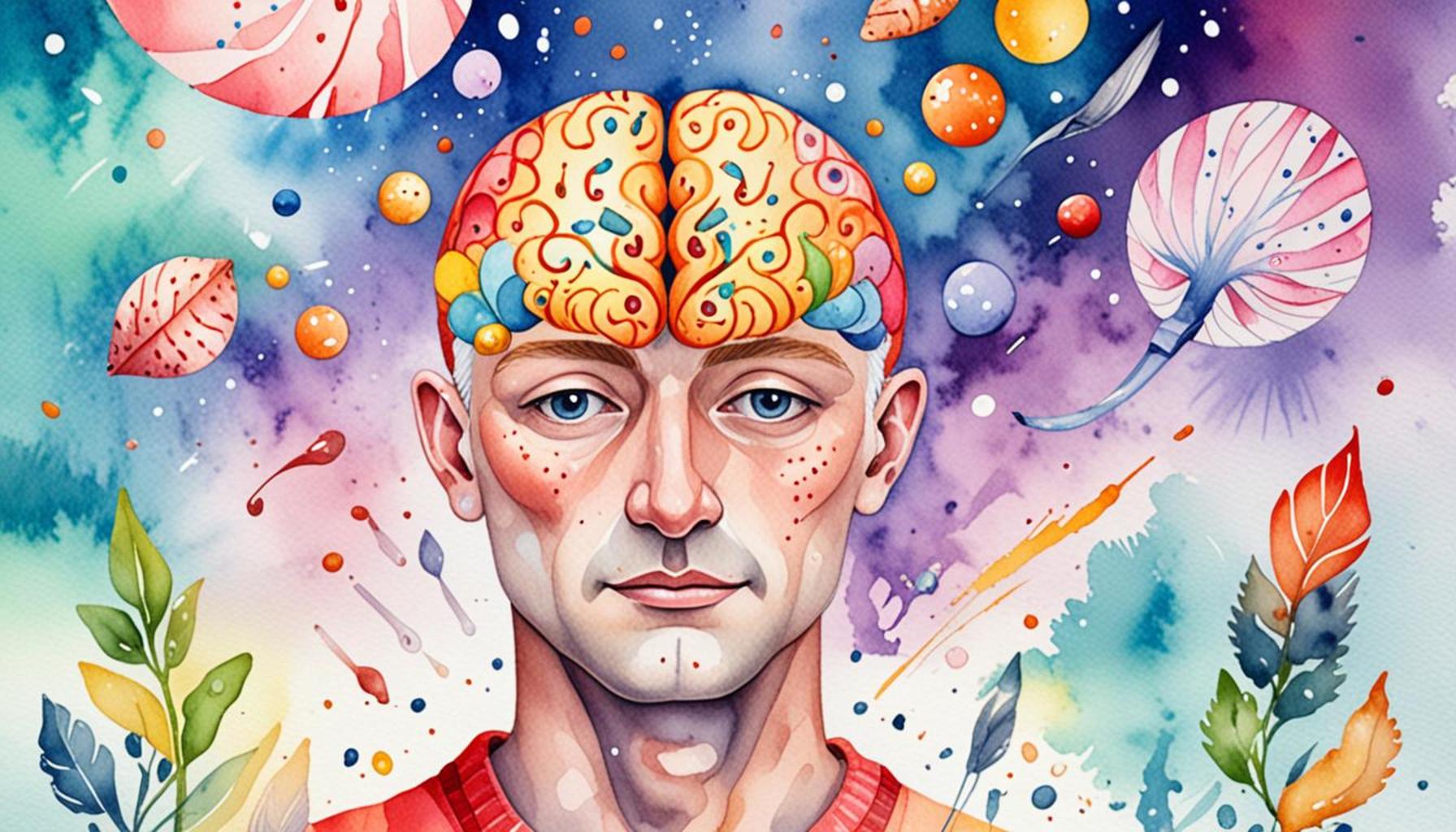
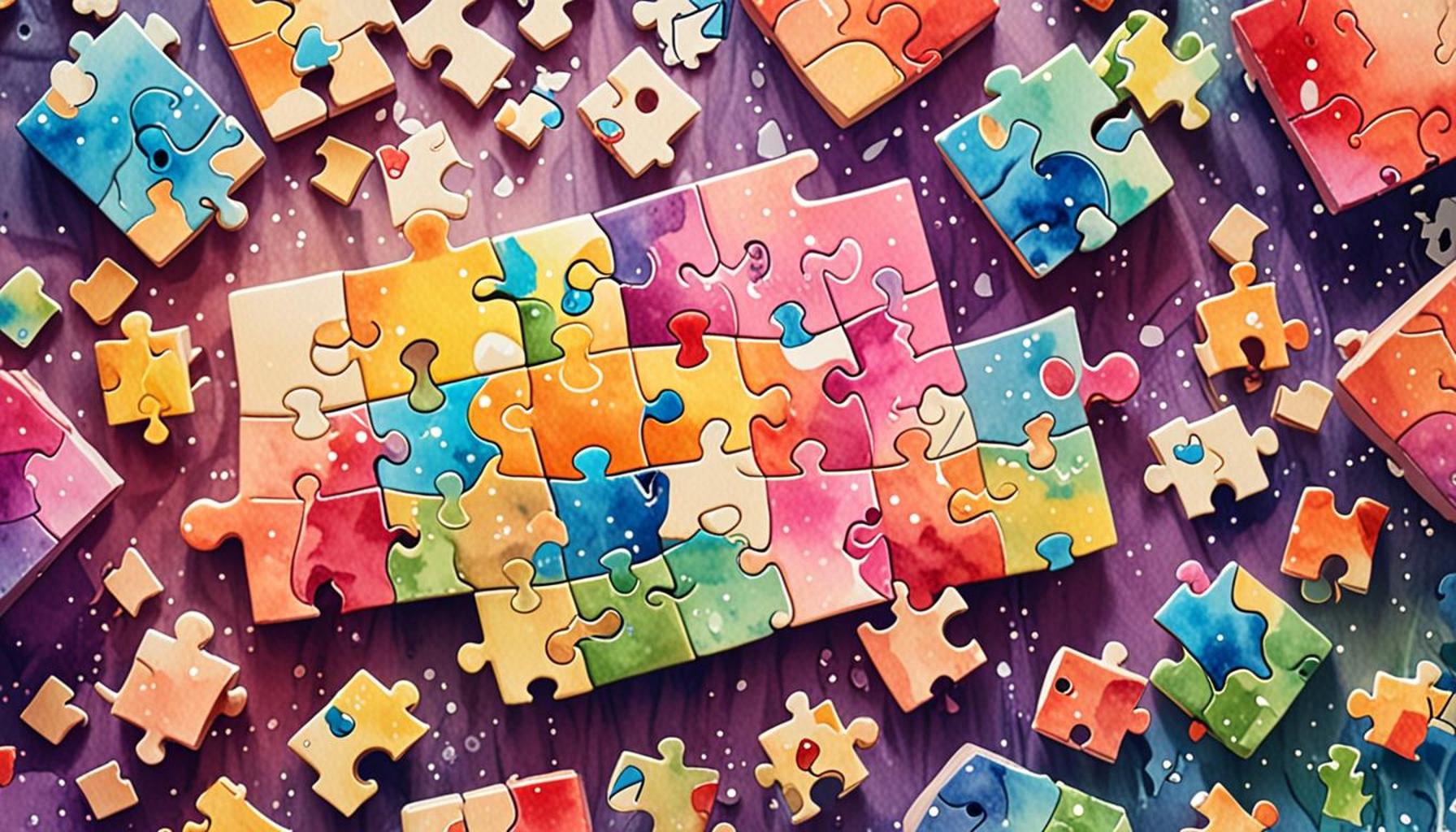
In an age where information overload is a daily reality, enhancing memory retention has become increasingly important. Gamification has emerged as a powerful tool, particularly through the use of puzzles. By integrating game-like elements into learning, puzzles not only make memory tasks engaging but also significantly boost retention rates, turning mundane information processing into a stimulating experience.
How Gamification Enhances Learning
Research indicates that gamification can lead to improved cognitive performance in several noteworthy ways:
- Increased Engagement: Interactive elements in gamified learning keep users motivated and focused. For example, utilizing puzzle-based learning apps like Lumosity can engage users with tailored brain games that adapt in difficulty, ensuring participants remain challenged and invested in their progress.
- Immediate Feedback: Instant results enhance the learning experience by helping learners understand their progress and areas for improvement. Platforms such as Kahoot! provide immediate scores and feedback, creating a dynamic learning environment that fosters growth.
- Competitive Elements: Friendly competition can spur individuals to perform better. Leaderboards and ranking systems encourage players to enhance their skills, making learning both fun and effective. Events such as trivia nights or online competitions are perfect examples of how competition can promote engagement.
The Role of Puzzles in Memory Enhancement
Puzzles contribute to memory enhancement in numerous ways beyond simple entertainment. They challenge the brain, fostering critical thinking and creativity. Whether it’s a crossword puzzle that encourages vocabulary expansion or a Sudoku that sharpens numerical problem-solving skills, these games demand active participation, which makes memorization more effective.
Moreover, studies suggest that the brain benefits from the dual-tasking nature of puzzles. Engaging with both the emotional and cognitive aspects of enjoyment can cement information more firmly than traditional learning methods. For instance, neuropsychological research has shown that people who regularly engage in puzzles exhibit improved memory capabilities and cognitive decline resistance. This demonstrates how enjoyable activities can positively influence mental processes.
Exploring the Science of Gamification
For those curious about the science behind these techniques, delving into the impacts of gamification in educational settings unveils exciting possibilities. The integration of psychological principles, such as the Flow Theory proposed by Mihaly Csikszentmihalyi, explains why learners become engrossed in puzzle-solving. When the difficulty of a task is balanced with a learner’s skills, they enter a state of flow, leading to higher retention rates and satisfaction.
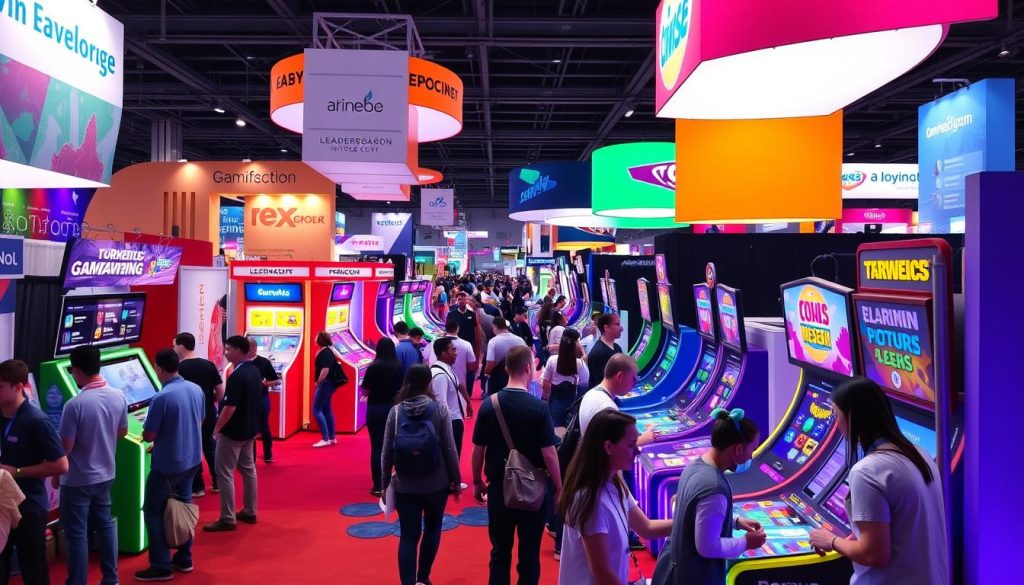
In conclusion, gamification and puzzles represent a fusion of learning and enjoyment that addresses modern challenges of information saturation. By incorporating game mechanics into educational contexts, not only do learners engage more deeply, but they also enhance their memory retention capabilities significantly. This approach not only benefits students but also lifelong learners looking to sharpen their cognitive abilities in an increasingly complex world.
EXPLORE MORE: Click here for innovative memory strategies
Unlocking Cognitive Potential Through Puzzle Engagement
Puzzles have long been a source of entertainment, but their capacity to enhance memory retention extends far beyond mere amusement. As a form of gamification, puzzles introduce elements that stimulate mental agility, engaging participants in ways traditional learning methods often fail to achieve. By transforming learning into a playful activity, puzzles can catalyze the brain’s ability to absorb and recall information effectively.
At the therapeutic intersection of enjoyment and learning, puzzles serve as cognitive workouts, capable of strengthening various mental faculties. Engaging in activities such as jigsaw puzzles, crosswords, or logic games not only prompts users to think critically but also incorporates social interaction, often with family or friends. This social aspect can add another layer of motivation, prompting individuals to tackle more challenging tasks while also stimulating discussions that reinforce memory retention.
Various studies have highlighted the cognitive benefits associated with regular puzzle engagement. According to research published in the journal ‘Neuropsychology’, individuals who frequently engage in puzzle activities show a slower rate of cognitive decline as they age. As the study states, “These activities can serve as a buffer against deteriorating memory functions, suggesting a protective role.” In fact, it’s not uncommon for retirees and older adults in the United States to include puzzles in their daily routines as a mental exercise aimed at longevity and sustained cognitive health.
Mechanisms Behind Memory Retention
Several mechanisms explain how puzzles can enhance memory retention through gamification:
- Active Engagement: Puzzles require active participation, which promotes deeper cognitive processing of the information at hand. This contrasts with passive forms of learning, offering a more dynamic environment.
- Visual and Spatial Skills: Engaging with visual puzzles, like jigsaws, can enhance spatial reasoning, a skill critical for memory retention and recalling the layout of information.
- Creativity and Problem-Solving: Many puzzles require creative thinking and problem-solving abilities, which can promote the ‘brain’s connectors’ to work more efficiently, thereby improving overall cognitive function.
- Emotional Connection: The enjoyable nature of puzzles often elicits positive emotions, which have been correlated with improved memory retention. A happy, engaged learner is more likely to remember information than one who is disinterested.
Moreover, the use of gamified elements, such as completing puzzles against a timer or competing for high scores, can amp up excitement and motivate learners to push their boundaries. It’s this exhilarating combination of challenge and play that fuels cognitive engagement and memorability. Neuroscientific research emphasizes the relevance of dopamine release during enjoyable activities, reinforcing the connection between happiness, motivation, and memory.
As we delve deeper into the synergy between gamification and memory enhancement via puzzles, it becomes clear that these engaging tools offer a promising avenue for both educational settings and everyday learning. By incorporating puzzles that challenge the mind and stimulate memory, we can foster an environment conducive to cognitive growth and lasting knowledge retention.
The Impact of Gamification on Cognitive Processes
Gamification, the integration of game-like elements into non-game contexts, has emerged as a powerful method in education and self-improvement. By incorporating challenges, rewards, and competitive elements, gamification engages users in ways traditional learning cannot. One significant advantage lies in its ability to enhance memory retention through puzzles, which serve as interactive tools that require active problem-solving.
Engagement through Challenges
When users face puzzles designed with gamification principles, they become mentally immersed in the task at hand. This engagement is crucial, as studies indicate that the more engaged a learner is, the better they recall information. Puzzles that adapt in difficulty, based on user performance, create an optimal flow state that pushes cognitive limits and enhances memory pathways.
Immediate Feedback and Rewards
Another critical component of gamification is the provision of immediate feedback. This feature allows users to understand their errors promptly, facilitating a quicker learning curve. As users solve puzzles, they receive points, badges, or advancements, reinforcing their efforts and motivating sustained practice. Such positive reinforcement not only aids in memory retention but also builds confidence as learners recognize their achievement in overcoming challenges.
Social Interaction and Collaboration
Gamification also encourages social interaction and collaboration. Many puzzle platforms offer leaderboards and group challenges, fostering a sense of community and healthy competition. Engaging with peers while solving problems can enhance memory by diversifying learning experiences and approaches. This social dimension adds another layer of motivation, as learners strive to outperform others by leveraging their understanding of the puzzles.
Real-World Applications
The mechanisms of gamification are finding applications in various fields such as education, healthcare, and corporate training. In educational settings, for example, teachers implement puzzle-based games to improve retention in subjects like mathematics and language arts. Similarly, health apps use gamification techniques to encourage patients to remember medication schedules through interactive reminders and quizzes. As research continues to unveil the profound effects of gamification on memory and cognitive functioning, it becomes increasingly clear that puzzles are not just simple pastimes; they are instrumental in shaping how we learn and retain complex information.
EXPLORE MORE: Click here to enhance your problem-solving skills
The Social and Competitive Dimensions of Puzzles
Beyond the individual cognitive benefits, the power of gamification in puzzles is magnified in social and competitive contexts. As individuals engage in group puzzle-solving activities, whether in physical settings or through online platforms, the collaborative effort not only increases enjoyment but also significantly enhances the retention of information. Research indicates that when people work together to solve puzzles, they tend to share techniques and strategies, creating a rich, interactive environment for learning.
In the digital age, online puzzle games have developed a strong following; games such as Words with Friends or various Sudoku applications offer competitive play that encourages users to regularly return for more. This competitive aspect keeps participants motivated, fostering a desire to improve their skills and therefore their memory retention. According to a study conducted by the University of Washington, participants who engaged in multiplayer puzzle games demonstrated a 20% increase in retention when recalling terms and concepts previously learned during their gaming sessions.
Furthermore, social encouragement can bolster motivation and create a sense of accountability that traditional learning often lacks. Game mechanics such as leaderboards, rewards, and achievements tap into intrinsic and extrinsic motivators, making participants more invested in their learning journey. By integrating friendly rivalry or collaborative challenges, learners become more engaged, resulting in a deeper understanding and memory retention of the material involved.
Adaptive Learning through Personalization
The gamification aspect of puzzles also provides opportunities for personalized learning, which has proven to be more effective in terms of memory retention. Online platforms can use algorithms to tailor puzzle difficulty based on individual performance, ensuring that each participant is adequately challenged without feeling overwhelmed. Studies illustrate that adaptive learning techniques can lead to a 30% improvement in learning outcomes, as students can engage with content that directly addresses their needs and skills.
Moreover, puzzle applications now frequently incorporate user feedback mechanisms, allowing players to reflect on their progress and make adjustments to their learning strategies. This responsive nature enables learners to tackle weaknesses while reinforcing strengths. For example, platforms such as Quizlet allow users to create their own flashcards based on specific puzzles, further personalizing the experience and fuelling memory retention by connecting it to familiar challenge formats.
In an educational setting, instructors can harness the power of gamified puzzles to transform traditional curricula into interactive learning experiences. By designing lessons that include puzzle-based learning tasks, educators can stimulate critical thinking and problem-solving skills, ultimately enhancing students’ ability to memorize and apply what they have learned. Teachers who incorporate gamification report higher engagement rates, a trend supported by a study from the University of Illinois, which found that students participating in gamified learning environments were 50% more likely to retain information for long periods.
As we peel back the layers of gamification through puzzles, it becomes increasingly clear that they not only act as a recreational pastime but as profound educational tools capable of fostering cognitive growth. Embracing these engaging methods can pave the way for remarkable advancements in how memory retention is approached in both personal and academic settings.
DISCOVER MORE: Click here to learn about the benefits of memory games
Conclusion: Unlocking Potential Through Gamified Learning
In summary, the intricate relationship between gamification and memory retention through puzzles underscores their potential to transform learning experiences. The combination of social engagement, competitive dynamics, and personalized pathways fosters an enriched environment where learners can thrive. By harnessing the collaborative nature of puzzles, participants not only improve their cognitive skills but also enhance their recall abilities, making the learning process both enjoyable and effective.
The evidence gathered from various studies reveals compelling statistics: a 20% increase in retention through multiplayer engagement and a staggering 50% improvement in long-term memory retention when gamified strategies are employed in educational settings illustrate the vast possibilities that lie within this approach. As we ponder the implications for both personal and academic growth, it becomes clear that embracing puzzles as gamified learning tools can cultivate critical thinking, problem-solving acumen, and a profound understanding of subject material.
As we advance further into an era where technology and education intertwine, the creative application of gamification will undoubtedly continue to evolve. Educators, learners, and game developers alike have the opportunity to innovate and collaborate in shaping a future where memory retention enhances not only knowledge acquisition but also social connection. By exploring these captivating methodologies, we can pave the way for a deeper understanding of how puzzles can unlock our cognitive potential and redefine how we approach learning in the digital landscape.