The Role of Visual and Spatial Memory in Solving Complex Puzzles
Puzzles capture the essence of challenge and creativity, providing a delightful labyrinth of mental stimulation. As individuals dive into the world of puzzles—be they jigsaw puzzles, crosswords, or logical riddles—two pivotal cognitive functions come into focus: visual memory and spatial memory. These cognitive tools are not mere supporting characters; they are integral to the art of puzzle-solving, providing crucial insights into how we think, perceive, and solve challenges throughout our lives.
What Are Visual and Spatial Memory?
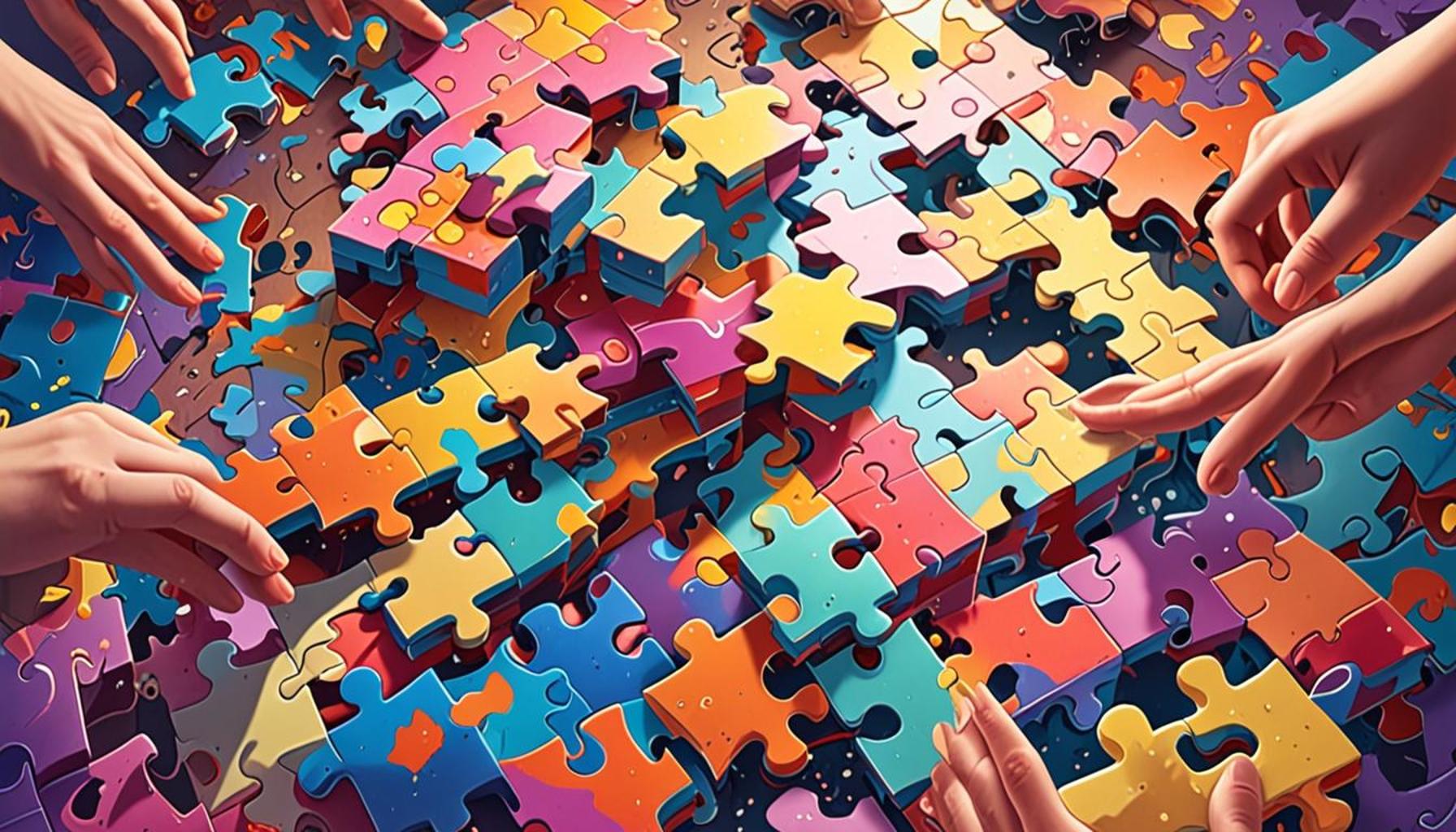
Visual memory is the brain’s ability to remember and recall visual information, including images, colors, and sequences of patterns. It allows you to recreate what you’ve seen in your mind’s eye. For example, when working on a jigsaw puzzle, visual memory helps you remember which colors and shapes fit together, facilitating a quicker assembly of the final image.
On the other hand, spatial memory is tied to understanding how objects relate to one another in space. It enables individuals to navigate environments, recognizing how to move from one point to another. Think of a crossword puzzle: your spatial memory helps you determine where to place letters based on their potential connectivity to other words. This cognitive skill is not limited to puzzles; it plays a significant role in everyday tasks, from driving in traffic to rearranging furniture in a room.
Moreover, the interaction between these two forms of memory is crucial in enhancing overall problem-solving efficiency. Here are some key aspects to consider:
- Visual Memory: Assists in pattern retention, which is vital for recognizing similarities and discrepancies in puzzle elements.
- Spatial Memory: Enables an understanding of orientation and movement, allowing one to visualize the layout of a puzzle even when pieces are separated.
- Integration: The ability to navigate between visual and spatial cues helps in developing streamlined strategies for puzzle completion.
The Impact of These Memories
The application of visual and spatial memory can significantly enhance how puzzlers approach challenges. By employing these skills, individuals can:
- Identify and exploit patterns more quickly, allowing for faster solutions.
- Visualize potential moves or solutions before physically engaging with the puzzle.
- Maintain a mental map of the puzzle layout, which helps avoid disorientation during complex problem-solving tasks.
As technology advances with an ever-growing array of digital puzzles and games, understanding these cognitive functions becomes indispensable. Game designers often create puzzles that cater specifically to the interplay between visual and spatial memory, which not only heightens user engagement but also encourages cognitive development. For example, virtual reality (VR) puzzles are being developed to challenge spatial reasoning in immersive environments, transforming how we think about puzzle-solving in the digital age.
In summary, the integration of visual and spatial memories is not merely academic; it has practical implications that can enhance puzzle-solving prowess while also shedding light on cognitive research. As you engage with puzzles, recognizing the power of these cognitive abilities may ignite a deeper understanding of your own mental processes and open up new avenues for exploration in the fascinating world of problem-solving.
DISCOVER MORE: Click here to delve deeper
Understanding Visual and Spatial Memory in Puzzle-Solving
The significance of visual memory and spatial memory in the realm of puzzles cannot be overstated. Each of these cognitive abilities serves as a unique lens through which we interpret and interact with complex challenges. Delving deeper into these components reveals the intricate ways they shape our puzzle-solving experiences.
Visual Memory: The Picture in Your Mind
Visual memory encompasses our ability to encode, store, and retrieve visual information. This skill allows individuals to hold images, colors, and patterns in their mind long after they have viewed them. When tackling puzzles like jigsaws, for instance, the ability to remember distinct image sections—whether they be vibrant colors, patterns, or shapes—can greatly expedite the construction of the overall picture.
Research has shown that strong visual memory correlates with effective problem-solving skills. For example, a study published in the journal Cognitive Psychology indicated that individuals with enhanced visual memory could process complex visual information more rapidly than those with less robust memory capabilities. This translates to a clear advantage when dealing with intricate puzzles where recognizing and recalling patterns is essential.
Spatial Memory: Navigating the Puzzle Landscape
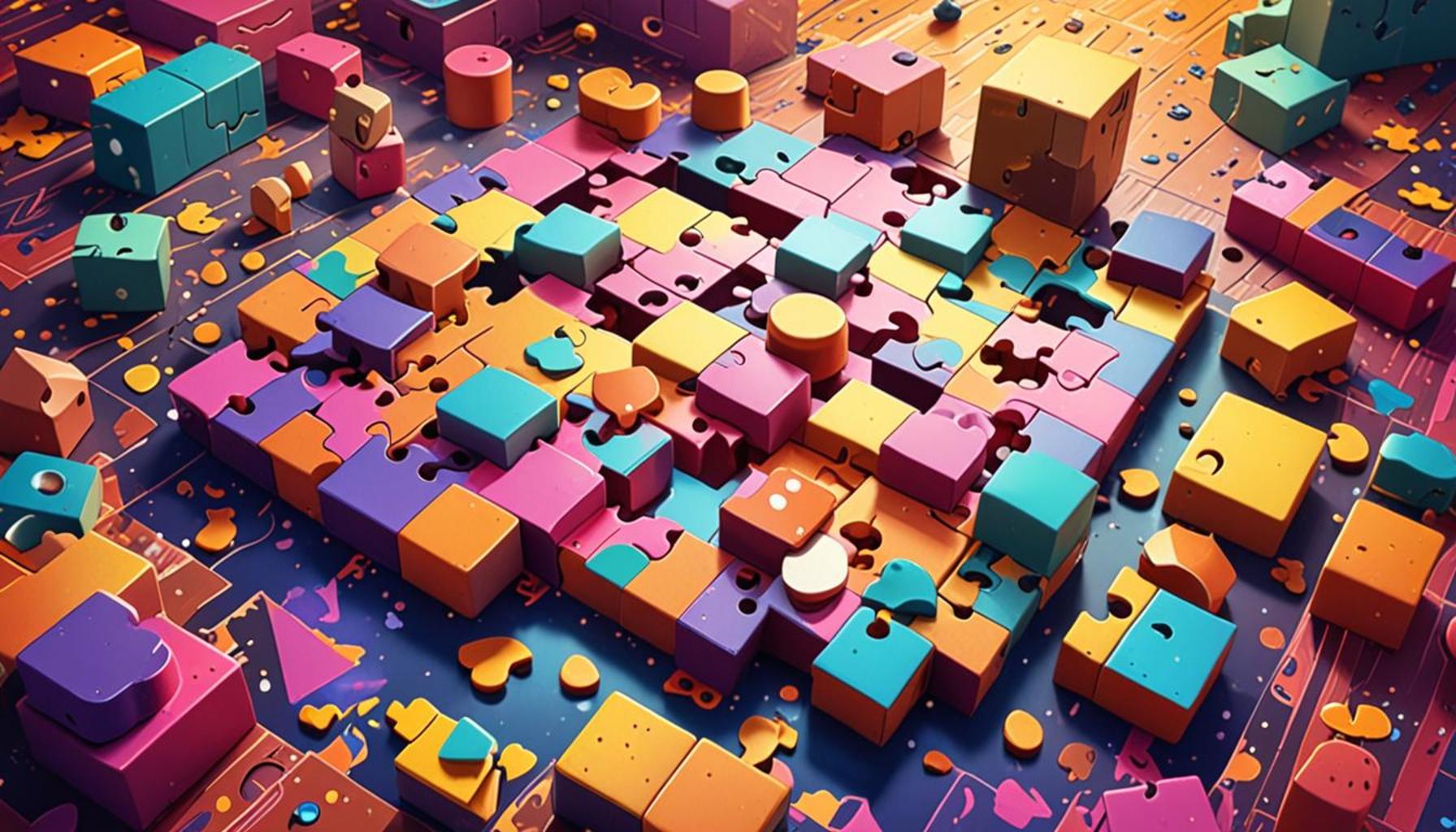
While visual memory focuses on the imagery, spatial memory allows individuals to understand the relationships and positions of objects within a given space. This capability is especially critical in puzzles that require an understanding of how different pieces connect or relate to each other in three-dimensional arrangements. For example, consider a classic Rubik’s Cube; solving it necessitates a firm grasp of spatial memory to envision potential moves and orientations.
Significantly, spatial memory also plays a role in everyday problem-solving scenarios. Whether navigating through a busy city or assembling IKEA furniture, this memory type enables individuals to map out strategies based on their spatial awareness. In the context of puzzles, it aids problem solvers in visualizing potential configurations and solutions, even before engaging physically with the puzzle pieces.
The Interplay of Visual and Spatial Memory
Perhaps one of the most fascinating aspects of puzzle-solving is the interaction between visual and spatial memory. These two cognitive functions work symbiotically, enhancing overall problem-solving efficiency. Consider the following key points regarding their synergy:
- Pattern Recognition: Visual memory enhances a solver’s ability to identify and maintain focus on recognized patterns, while spatial memory allows for the manipulation of those patterns in three-dimensional space.
- Clarity of Concept: Together, they facilitate a clearer understanding of how various puzzle components work together, enabling solvers to strategize effectively.
- Enhanced Memory Maps: The blend of these memories helps form mental maps of the puzzle’s structure, which can reduce frustration and disorientation during complex tasks.
As we dive deeper into the mechanics of puzzle-solving, understanding how visual and spatial memory integrate provides valuable insights into one’s cognitive processes and opens up avenues for improving overall problem-solving skills.
| Advantages of Visual Memory | Advantages of Spatial Memory |
|---|---|
| Enhances pattern recognition | Improves navigation skills |
| Facilitates quick recall of visual information | Promotes efficient problem-solving |
Understanding how visual and spatial memory can be leveraged when tackling complex puzzles opens up new avenues for both casual and competitive puzzlers. Visual memory thrives on the ability to recognize patterns, allowing solvers to assemble pieces of information quickly, which is essential in intricate puzzle-solving scenarios. This type of memory plays a critical role in areas such as jigsaw puzzles or Sudoku, where familiarity with shapes and sequences can lead to faster and more intuitive completions.On the other hand, spatial memory greatly enhances one’s navigational capabilities. This memory type helps individuals keep track of where they’ve already explored, minimizing redundancy in efforts and allowing for a more strategic approach to puzzle-solving. For example, while tackling three-dimensional puzzles or mazes, individuals with strong spatial awareness can visualize the entire layout mentally, making it easier to devise efficient pathways to solutions. By engaging both types of memory, puzzlers can maximize their efficiency and effectiveness.
DISCOVER MORE: Click here to learn about the impact of social interaction
The Impact of Training and Engaging Activities
While innate cognitive abilities play a significant role in puzzle-solving, research has shown that both visual and spatial memory can be enhanced through specific training and engagement in activities. By intentionally challenging these memory types, individuals can improve their overall aptitude for tackling complex puzzles.
Brain Training Games: A Cognitive Workout
One effective method for improving visual and spatial memory is through brain training games. Various mobile applications and online platforms, such as Lumosity or Peak, focus on exercises that target these cognitive skills. These games are often designed to enhance not only memory but also problem-solving abilities through engaging, interactive formats. A study conducted by researchers at the University of California, Irvine, found that participants who regularly engaged in memory-enhancing games demonstrated significant improvements in both their visual and spatial memory capabilities. These enhancements translated into better performance in real-world problem-solving situations, including complex puzzles.
The Role of Physical Puzzles in Memory Enhancement
Incorporating physical puzzles into recreational activities also aids in the development of visual and spatial memory. Jigsaw puzzles, 3D puzzles, and even mechanical puzzles challenge individuals to visualize how pieces fit together, while simultaneously fostering an understanding of spatial relationships. Engaging in such activities not only sharpens problem-solving skills but also increases satisfaction and enjoyment as progress is made. According to a study published in the journal Applied Cognitive Psychology, participants who regularly completed puzzles showed substantial improvements in visual-spatial reasoning, suggesting that the physical manipulation of puzzle pieces aids memory retention.
Educational Techniques: Turning Learning into Fun
In educational contexts, teachers often emphasize the use of visual aids and spatial tasks to bolster students’ learning experiences. Activities that involve mapping out problems, creating visual diagrams, or even engaging in group puzzles foster collaboration and strategic thinking. For instance, STEM (Science, Technology, Engineering, and Mathematics) educational programs often employ building blocks or spatial reasoning challenges to develop both visual and spatial cognitive skills in students. This hands-on approach not only deepens understanding but also prepares students for real-life applications of these skills in various fields, including architecture, engineering, and even gaming.
Interdisciplinary Connections: Art and Puzzle Solving
Artistic endeavors can also significantly contribute to the enhancement of visual and spatial memory. Engaging in activities such as painting, sculpting, or even photography challenges individuals to observe and interpret visual details deeply. Artists consistently practice visual memory through the representation of familiar objects or scenes, which subsequently strengthens their ability to recall and manipulate these images when solving puzzles. Research published in the Journal of Experimental Psychology has shown that individuals with backgrounds in visual arts tend to perform better on spatial tasks identifying configurations and patterns within complex puzzles.
As society increasingly recognizes the importance of cognitive training and memory enhancement, incorporating these practices into daily routines not only benefits puzzle solvers but contributes to overall cognitive well-being. Whether through gaming, recreational puzzles, education, or artistic pursuits, individuals have numerous opportunities to hone their visual and spatial memory skills, thereby unlocking greater potential in solving complex puzzles.
DIVE DEEPER: Click here to uncover the secrets of critical thinking through mind games
Conclusion: Unlocking the Potential of Memory in Puzzle Solving
In summary, the significance of visual and spatial memory in solving complex puzzles cannot be overstated. These cognitive skills serve as critical tools that enhance one’s ability to recognize patterns, manipulate objects mentally, and devise strategic solutions. Engaging in brain training games, physical puzzles, and interdisciplinary activities not only sharpens these cognitive abilities but also contributes to our overall cognitive health.
As highlighted throughout this article, incorporating diverse methods of memory enhancement into daily routines can lead to substantial gains in problem-solving prowess. For instance, players leveraging brain training apps frequently witness improvements in their performance on diverse tasks, while individuals working on physical puzzles enjoy both cognitive benefits and recreational satisfaction. Moreover, the integration of visual arts into learning underscores the multidimensional nature of memory—blending creativity with analytical thinking.
Encouraging a culture that values cognitive development through well-rounded activities will not only empower individuals to tackle complex puzzles but also foster a community equipped with critical thinking skills applicable across various domains—be it engineering, gaming, or everyday challenges. As we continue to explore the intricate relationship between memory and problem-solving, we open new avenues for enhanced cognitive capacity, urging everyone to engage with puzzles in their myriad forms. The journey of sharpening visual and spatial memory through these practices is not just about solving puzzles; it’s about enhancing our ability to navigate life’s complexities.